SpaceX’s Starship engine failure raises questions over NASA’s moon mission
The incident adds major new risks to the program's uncrewed and crewed lunar milestones
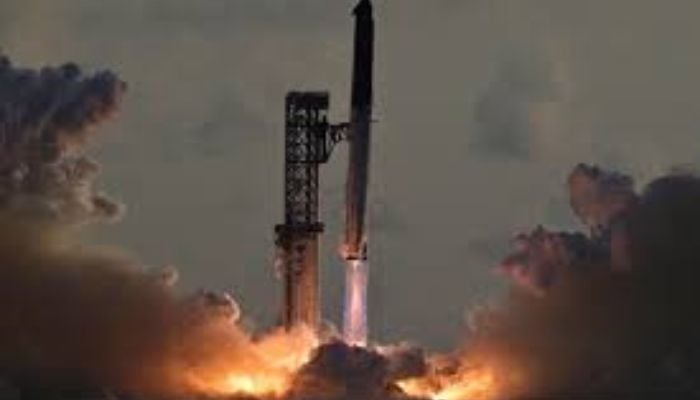
The Starship engine failure that nearly derailed the orbital debut of SpaceX's next-generation spacecraft may obscure NASA’s ability to meet its timeframe for astronaut missions to the moon. Starship is primarily designed to carry large payloads to space and is one of two vehicles striving to become the first craft that NASA will use as early as 2028 to launch humans to the moon and bring them safely home.
Despite one of its shutdown of three main Raptor engines after Starship’s separation from its lower-stage booster rocket, light controllers moved forward with sending the spacecraft to orbit for its first-ever commercial satellite deployment.
Meanwhile, beyond analyzing the engine failure’s impact on SpaceX’s bottom line, the stakes are possibly greater for NASA as a Starship moon-landing vehicle would rely on the same system for transporting astronauts through space.
According to the head of the US space agency, Jared Isaacman, SpaceX was initially established to provide the first crewed lunar lander for Artemis which would be flown alongside the first-flight ready lander.
NASA saw value in spurring progress through constructive competition in light of mounting delays in Starship's test flight program. SpaceX is developing a Human Landing System based on its Starship vessel far larger than any moon leader ever built.
Isaacman went public in the days following the conclusion of NASA’s Artemis II mission which sent astronauts around the moon and back in what was the first crewed launch of NASA’s Space launch system rocket.


-
 Europe launched 8 orbital rockets last year, can it rival Starlink?
 -
 Japan launches world’s first mission to bring sample back from phobos
 -
 Orionid meteor shower 2026: Peak date, viewing tips and what to expect
 -
 Why Mars looks blue in NASA’s unedited curiosity panorama?
 -
 Blue Origin upgrades new Glenn rocket launch infrastructure to take on SpaceX
 -
 NASA’s next Mars mission targets Phobos and Deimos, not Red Planet
 -
 Is AI ready to rewrite our understanding of physics?
 -
 Astronomers identify possible first green star in 27 years of research