SpaceX Starship Flight 14 reaches orbit after successful insertion burn
It's the first time Starship rocket has entered Earth's orbit and due to go around Earth six times
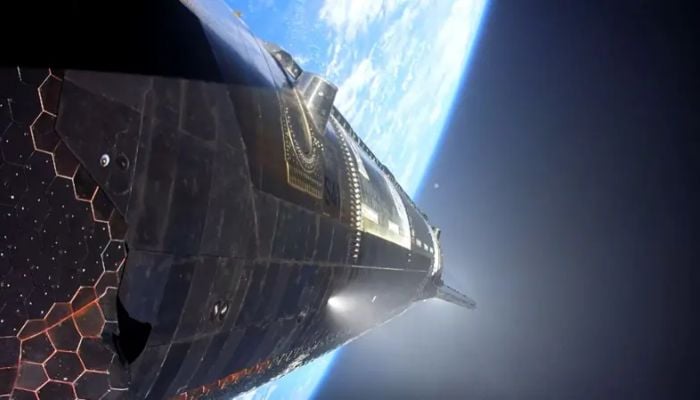
SpaceX launched its unprecedented Starship Flight for its first-ever orbital mission on Monday.
The Super Heavy rocket booster just fired up its 33 rocket engines, giving the first burst of power off the launchpad.
The launch took place from Texas and the rocket is heading to the Earth’s orbit for the very first time. SpaceX representative Dan Huot verified that out of 33 engines on the Super Heavy booster, only 31 reignited during the initial boost-back burn following stage separation.
According to SpaceX livestream, one of the booster’s 33 engines may have shut down. "Things are going pretty well so far," the narrator says in the livestream as the speed passes 10,000km/h.
Speaking about the landing, the Super Heavy rocket booster just made its splashdown landing off the coast of Starbase. The details regarding landing are still unclear.
The ship, the upper stage of the rocket currently in flight, has successfully cut its engines. Based on this situation, mission control must now determine whether to proceed with an orbital insertion.
SpaceX has officially confirmed that Starship is cleared for orbit.
The confirmation follows a tense moments-long hold after an engine unexpectedly shut down, prompting swift back-and-forth discussions among mission controllers.
Right now, the Starship rocket is successfully in orbit and it's the first time the rocket has entered Earth's orbit. It is due to go around Earth six times, and deploy 26 Starlink satellites.


-
 Can cancer drugs be made in space? Here’s what the new mission aims to find out
 -
 SpaceX Falcon 9 successfully launches Bandwagon-5 mission with 32 payloads
 -
 Europe launched 8 orbital rockets last year, can it rival Starlink?
 -
 Japan launches world’s first mission to bring sample back from phobos
 -
 Orionid meteor shower 2026: Peak date, viewing tips and what to expect
 -
 Why Mars looks blue in NASA’s unedited curiosity panorama?
 -
 Blue Origin upgrades new Glenn rocket launch infrastructure to take on SpaceX
 -
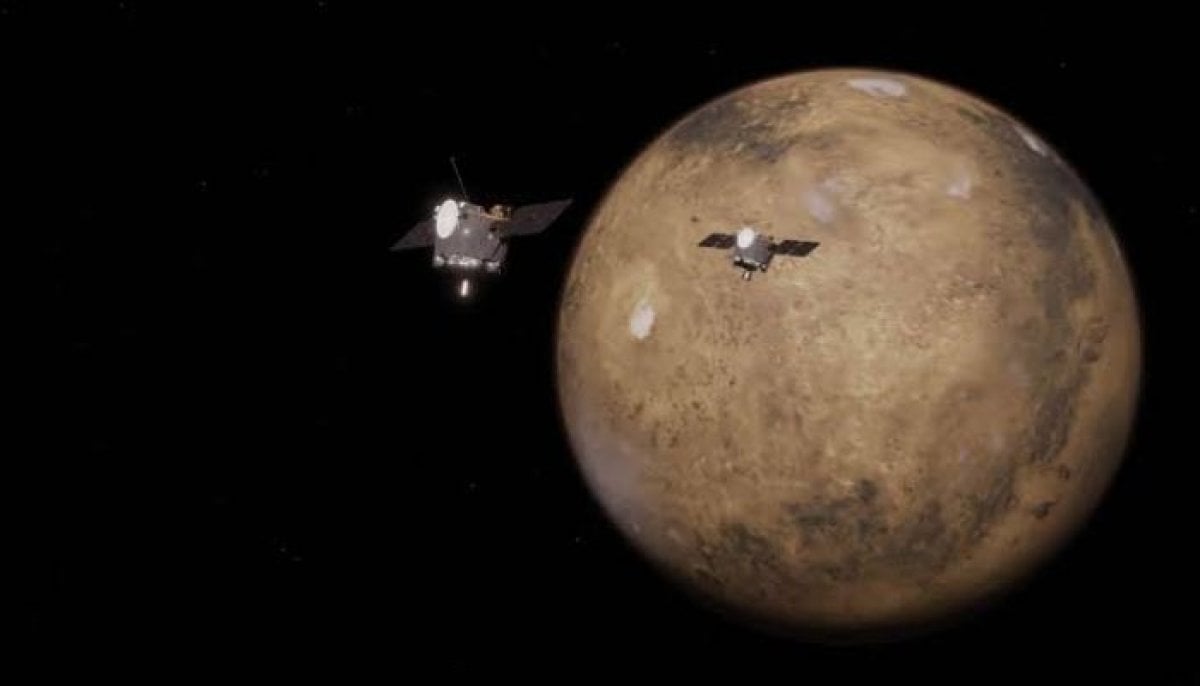 NASA’s next Mars mission targets Phobos and Deimos, not Red Planet