Scientists develop method to turn plastic waste into hydrogen fuel
Researchers believe the new approach could help tackle plastic pollution while producing hydrogen fuel and capturing carbon emissions
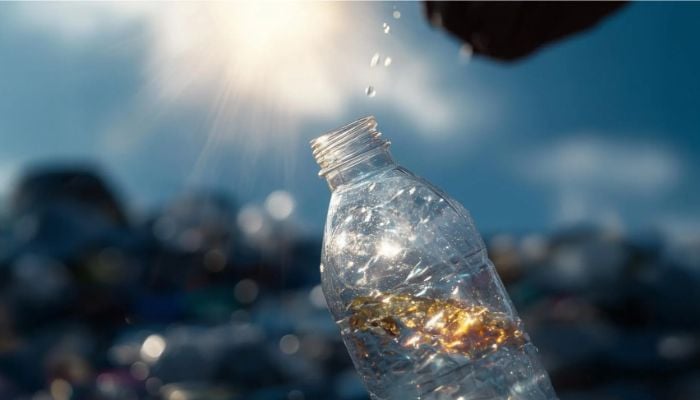
Scientists has just introduced a breathtaking process to turn plastic waste into clean fuel.
Researchers co-led by the UCLA Samueli School of Engineering and South Korea's Ewha Womans University have developed a chemical process that transforms mixed, unsorted plastic waste directly into high-purity hydrogen fuel while storing carbon.
Plastic is found throughout modern life, from water bottles and shopping bags to vehicle dashboards. Once these products are thrown away, however, they become extremely difficult to recycle.
Conventional recycling often requires workers or machines to separate plastics by type, adding expense and complexity to the process.
The technique successfully handles a mixture of the three most common consumer plastics, PET (polyethylene terephthalate), PE (polyethylene), and PP (polypropylene)—together in a single reactor.
Built-In Carbon Capture:
Unlike burning or standard gasification which spews carbon dioxide, the reaction's sodium hydroxide reagent traps the plastic's carbon, converting over 75% of it into stable solid carbonates or liquid residues to permanently lock it away.
Utilizing an adapted Alkaline Thermal Treatment (ATT) method, the process operates at temperatures 300°C to 400°C lower than traditional steam gasification.
This solid byproduct can be easily further converted into calcium carbonate-a stable mineral by permanently locking the carbon away and preventing atmospheric emissions.


-
 Draconid meteor shower tonight: Best time and places to see it
 -
 ‘A dream for 50 years’: Why world’s first nuclear clock could change timekeeping
 -
 NASA Curiosity captures strange ‘wind-carved’ Mars landscape in dawn image
 -
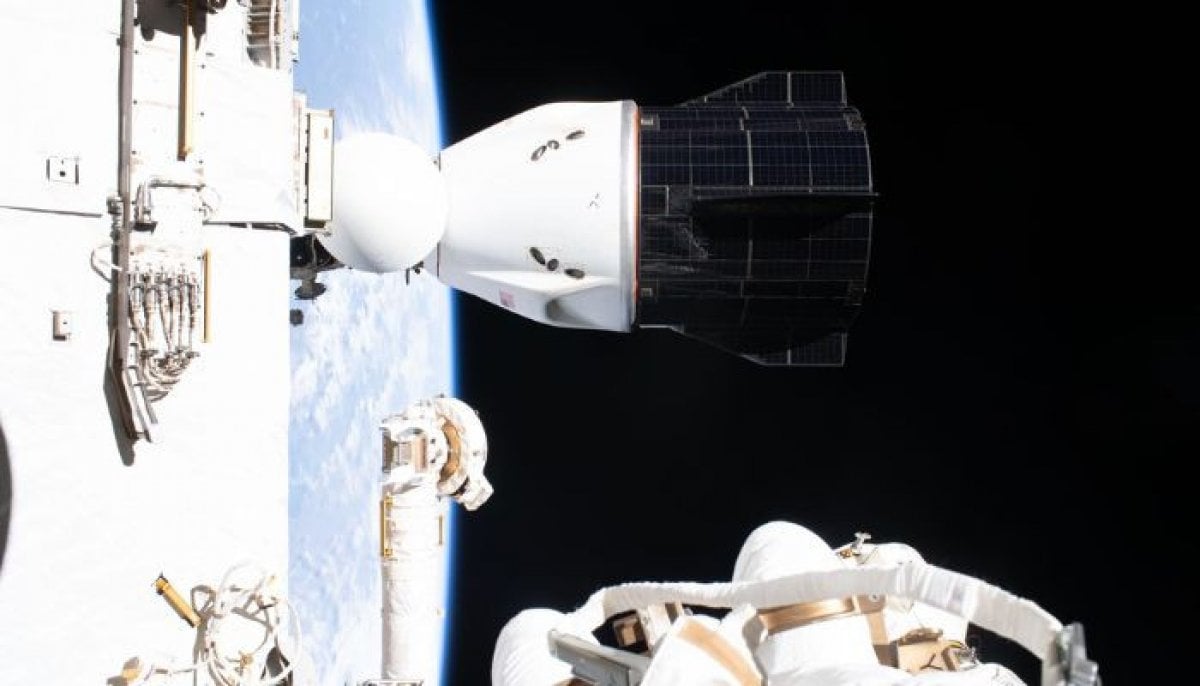 NASA's Crew-12 Dragon begins return trip from space station
 -
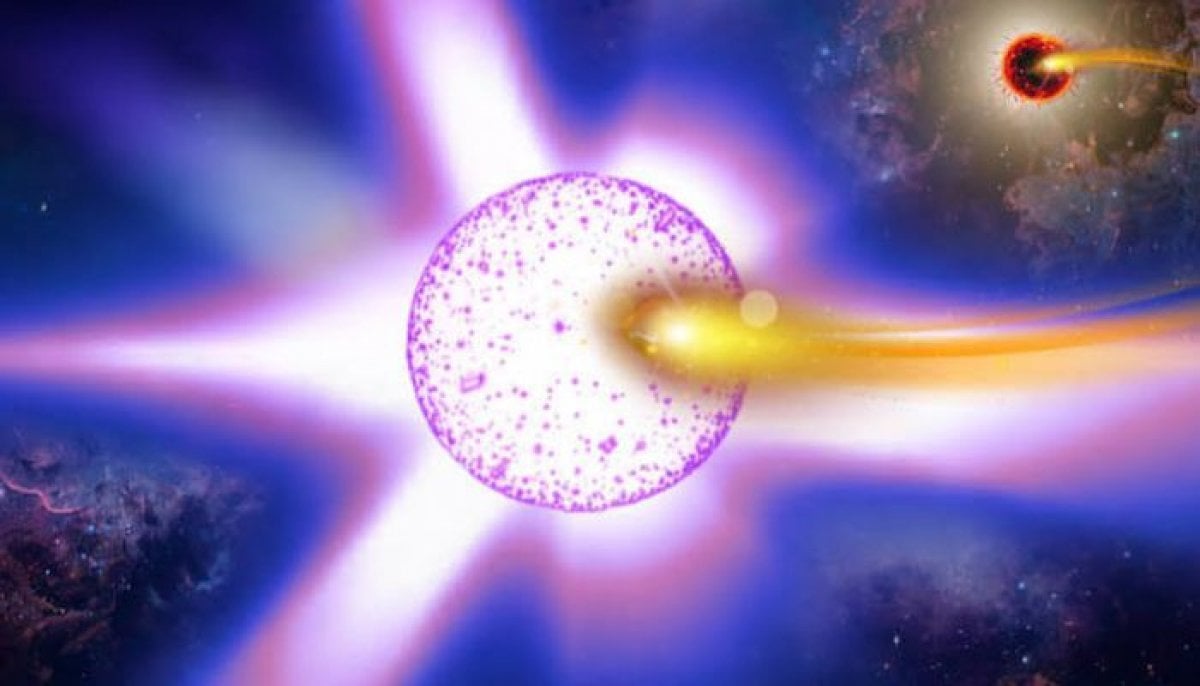 Mysterious ‘phoenix planet’ found around the remains of a dying star
 -
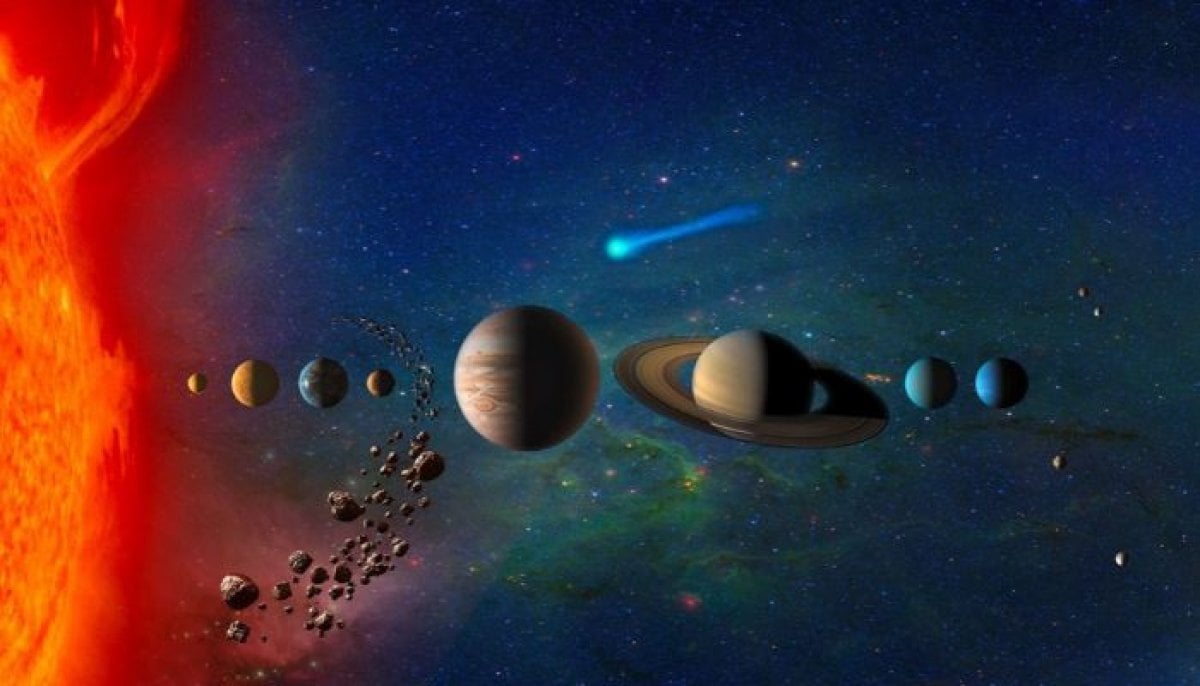 First possible evidence of Planet Nine found in infrared data
 -
 Elon Musk announces SpaceXAI rebrand to SpaceXSI following presidential order on 'Super Intelligence'
 -
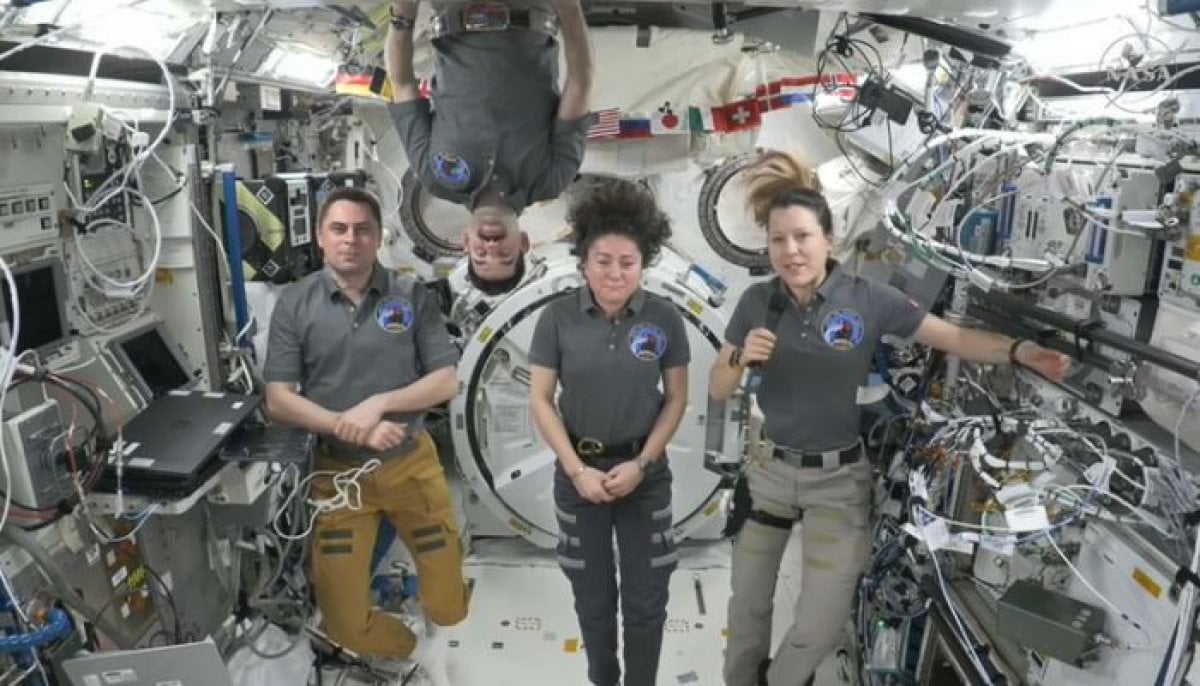 ISS Command changes hands in emotional ceremony