EU suspends penalties for oil and gas firms violating methane rules
Oil and gas firms will avoid methane-related fines for three years (2027- 2029) as the EU delays penalties under its emissions regulations
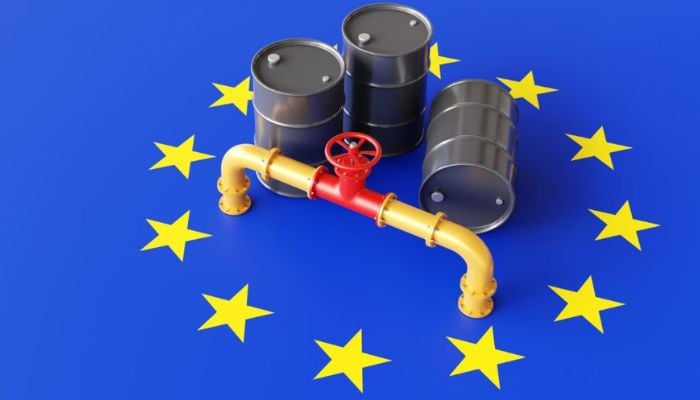
In a recent update European Commission has instructed EU member governments to waive penalties for oil and gas companies that breach its strict methane emissions regulations for a period of three years from 2027 till 2029.
Beginning in January 2027, the EU's methane legislation was set to require all imported oil and gas to meet monitoring, reporting, and verification standards equivalent to those enforced within Europe.
The move comes after intense pressure from the U.S. government and energy exporters to ease or delay the regulations, with the European Commission explicitly stating that the three-year penalty waiver is designed to prevent potential energy supply disruptions.
The Commission said on Monday EU countries should not apply penalties to companies that breach the methane law in order "to avoid supply disruptions".
The law had been designed so that companies failing to comply could face fines up to 20% of their annual turnover.
The Commission said the changes were justified "in a context of global energy markets tightness caused by the ongoing blockade of the Strait of Hormuz", which has disrupted the transit route for a fifth of the world's oil and liquefied natural gas supply.
The change would weaken the world-first EU climate policy, which was designed to clamp down on leaks of methane, a potent greenhouse gas and the second-biggest cause of climate change after CO2 emissions.
A group of 17 of the EU's 27 member states, including Germany and the Czech Republic, have asked the EU to delay the law.
Analysts have given conflicting assessments of whether the rules would restrict the amount of oil and gas the EU can secure on global markets.
While the rules technically remain on the books starting in 2027, the Commission's guidance means countries should refrain from penalizing companies that fail to meet the equivalence standards immediately, granting foreign suppliers and importers a grace period to adapt.


-
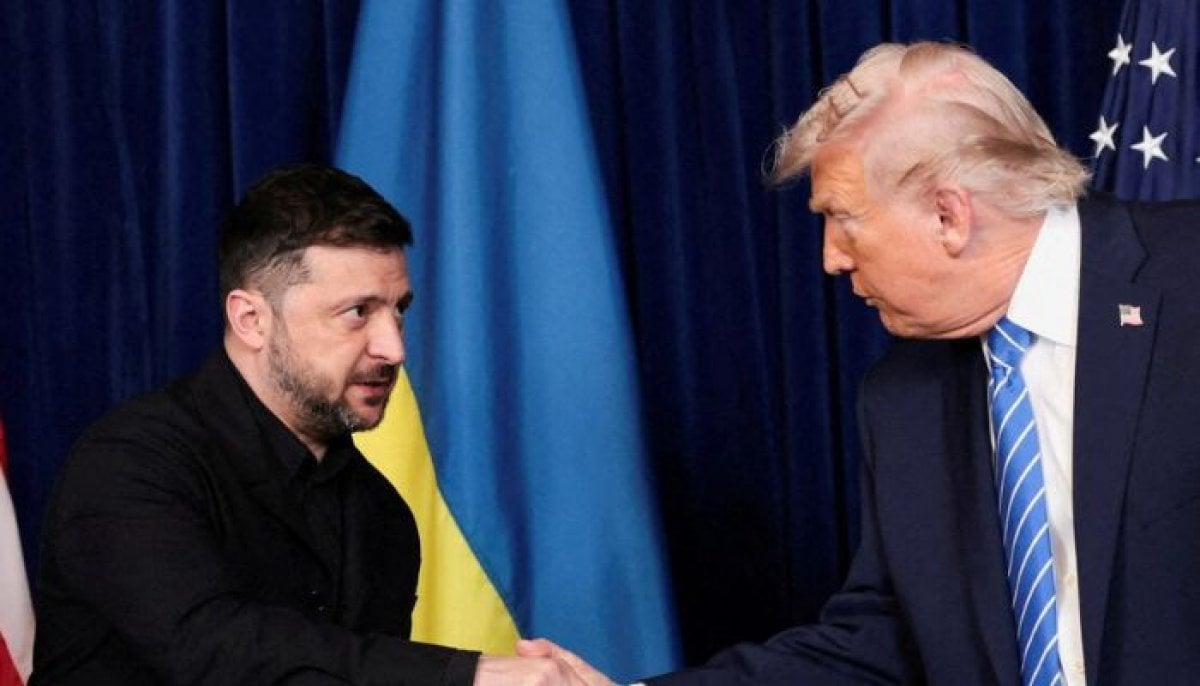 Trump questions Zelenskyy’s role in Ukraine peace talks: ‘Not a good guy’
 -
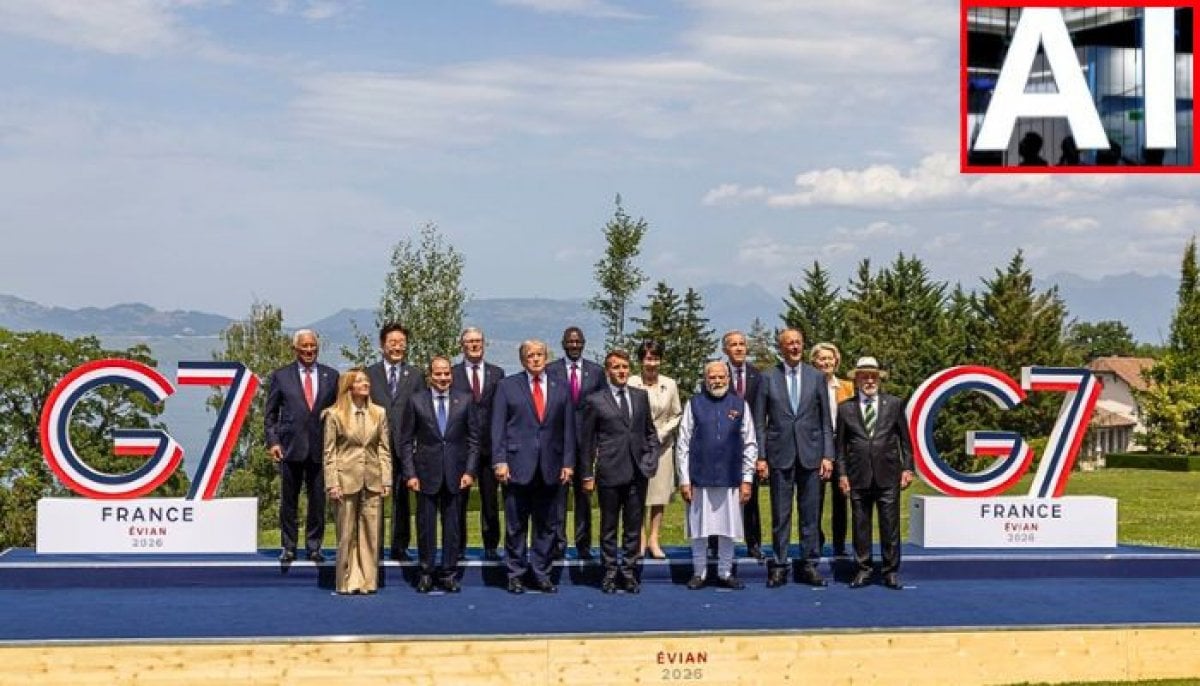 G7 finance leaders agree to simulate AI cyberattacks after IMF warning
 -
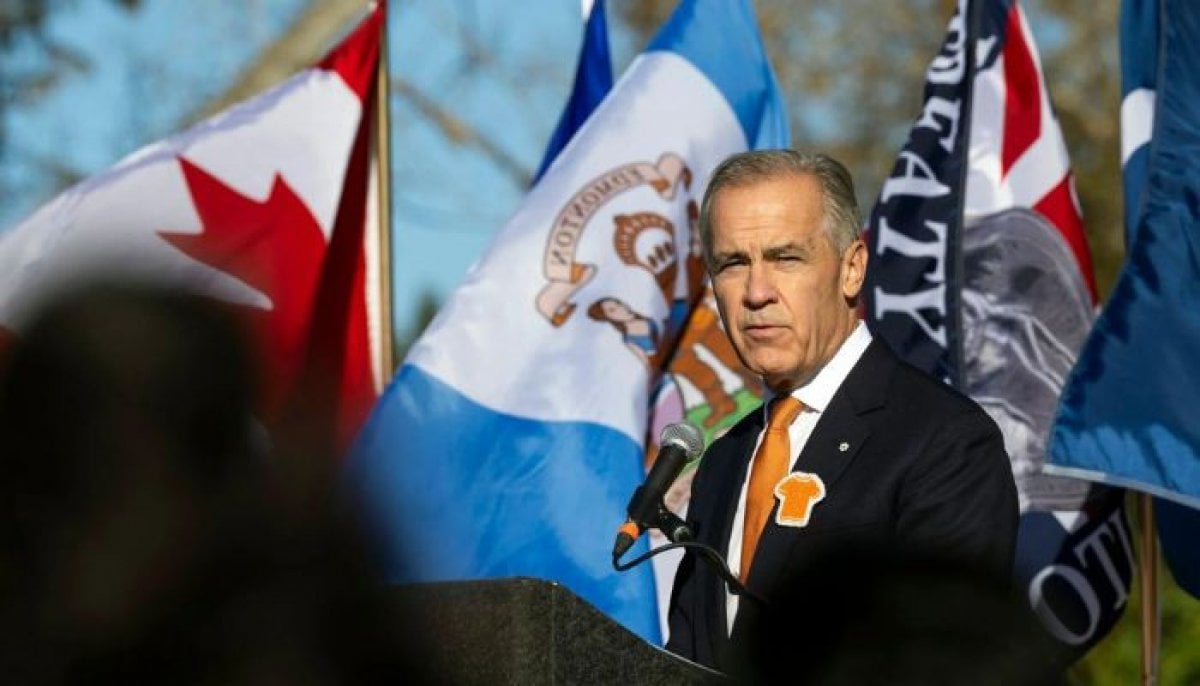 Canada at risk? Mark Carney warns as Alberta separation vote nears
 -
 AOC calls for political unity while campaigning for Abdul El-Sayed in Michigan
 -
 Ukraine resumes Russian oil strikes amid Starlink restrictions and US intelligence concerns
 -
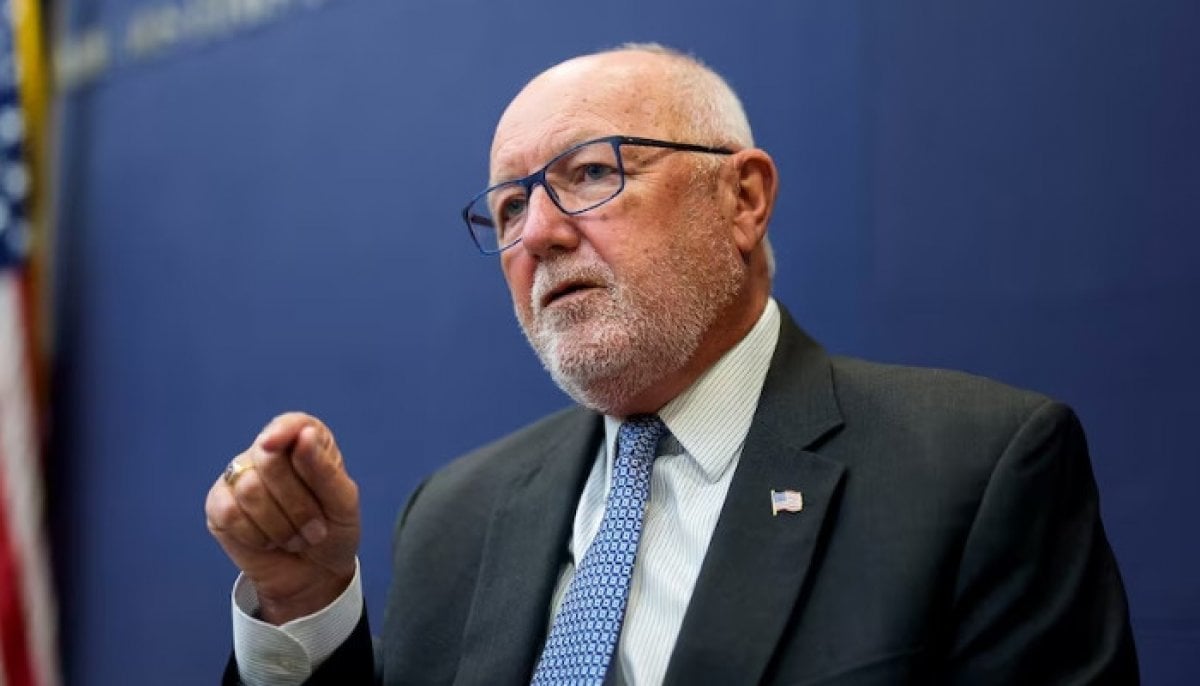 Trump's ambassador tells Canadian politicians to keep their ‘nose out’ of US elections
 -
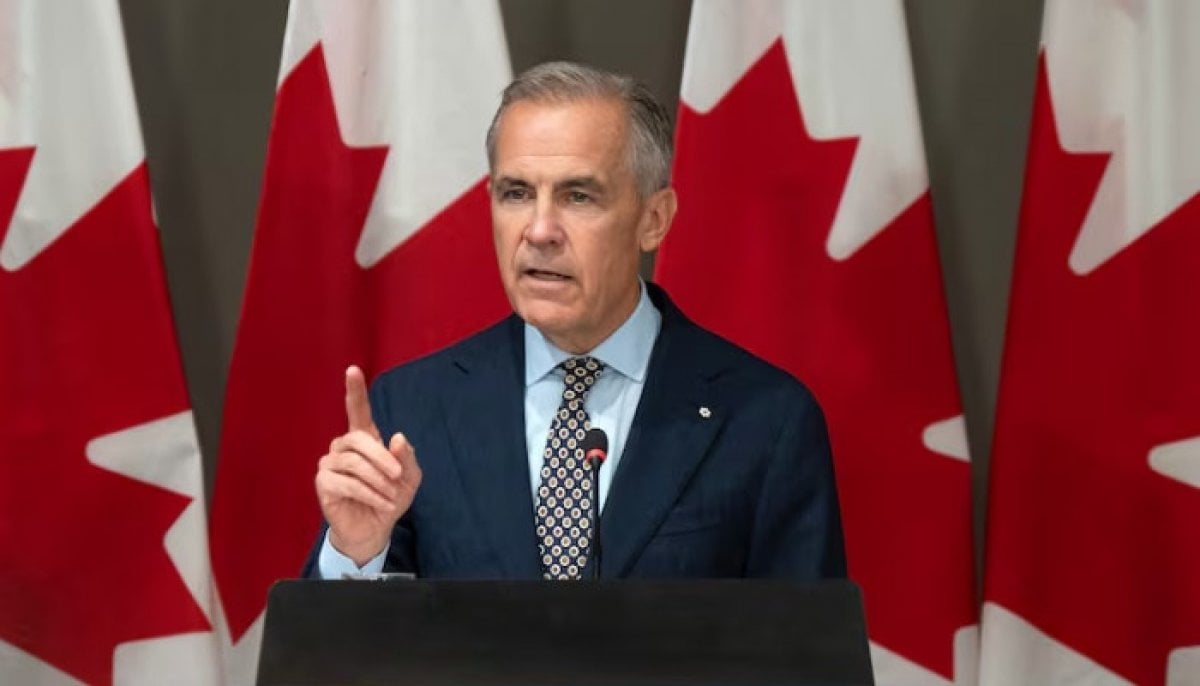 Carney says Canadian security agencies monitoring foreign interference ahead of Alberta vote
 -
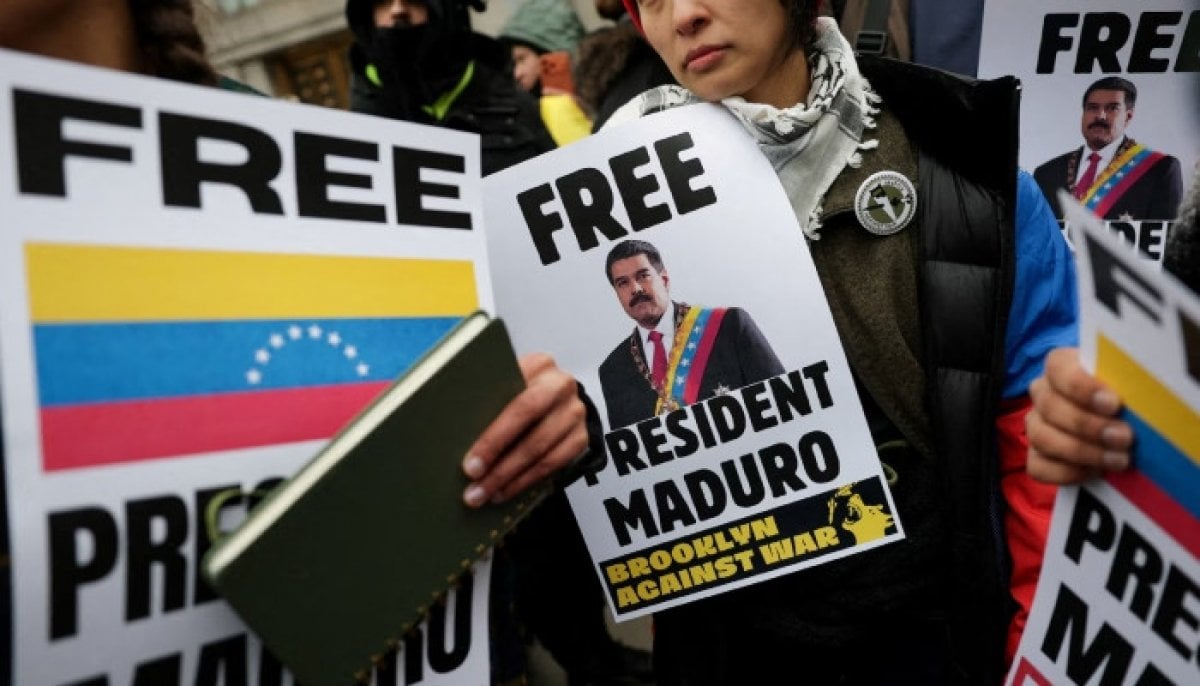 Nicolás Maduro and wife plead not guilty to new torture allegations in US court
-
 England issues severe drought declaration following driest months in a century
 -
Texas faces voting rights lawsuit after 600,000 registrations caught in IT failure
-
Illinois teen accused of plotting mass shooting at Hindu temple after co-workers alert police
-
Trump approval rating hits new low as Democrats lead Republicans by nine points