
England issues severe drought declaration following driest months in a century
Parts of Devon, Cornwall, Dorset, Somerset, and Sussex face strict controls as the driest months in a century take a heavy toll
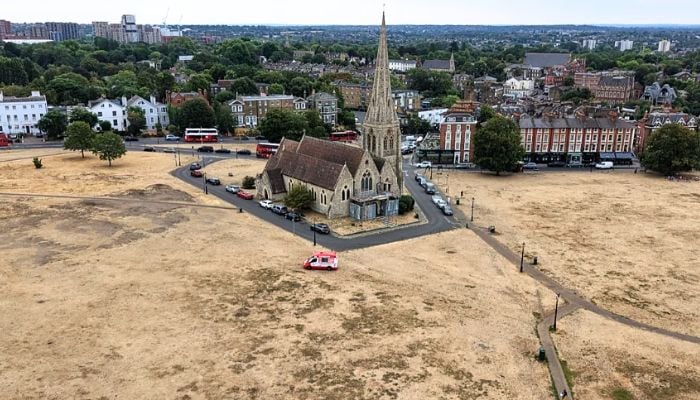
The UK government has officially declared a severe drought across parts of six counties in southern and southwestern England following critically low water reserves in regional reservoirs.
Parts of Devon, Cornwall, Dorset, Somerset, East Sussex and West Sussex have been classified as being in severe drought.
Southern and southwestern England experienced their driest April-to-September period in more than a century, recording nearly 40% less rainfall than average.
The prolonged dry spell, exacerbated by the climate crisis, has severely depleted reservoir levels, with some major reservoirs in the south-west falling below 20% of their storage capacity.
Ardingly Reservoir, which supplies around 95,000 properties in Haywards Heath, Uckfield and surrounding areas, is just 19% full.
Meanwhile, Wimbleball Reservoir, which supplies South West Water customers in East Devon, North Devon, Somerset and West Dorset, as well as Wessex Water customers in West Somerset, is at just 16% capacity.
The Environment Agency (EA) would normally expect reservoir storage levels to be around 75% at this time of year.
Concerns are also growing over several smaller South West Water reservoirs serving homes across Devon and Cornwall.
These include Drift and Stithians reservoirs, which supply approximately 56,000 households in Cornwall, and the Tottiford and Venford group, which serves around 47,000 households in Devon.
In response to the worsening conditions, South East Water, South West Water and Southern Water have sought permission to introduce non-essential water-use bans for businesses to help protect supplies.
The proposed restrictions would affect golf clubs, private schools and other commercial properties. However, while Eagle called on water companies to strengthen their drought planning, she did not announce approval for the proposed bans.
Following a meeting of the National Drought Group, the Environment Agency was instructed to prioritise protecting public water supplies.
Water companies are also stepping up their drought management plans, while temporary water-use restrictions have been implemented in some areas to curb domestic and commercial demand as authorities work to safeguard essential supplies heading into autumn.



-
 France reacts to EU plans for more sanctions on Russia
-
 Switzerland's finance ministry issues fines to former chairmen over spying scandal
-
 Sweden comes out with caretaker budget: Report
-
 Florida announces St Patrick's Day parade plans
-
 Oil prices drop more than $1: Everything to know
-
 Massive hoax bomb threat wave evacuates schools across Italy, Ireland, and UK
-
 Germany warns of higher US tariff risks for exporters following midterms: What to know
-
 Russia reports progress in Abu Dhabi peace talks with Ukraine but rejects immediate EU role
-
 Former FDA chief slams Trump officials over industry influence on health policies
-
Millions join Spain's first general strike in 14 years
-
NYPD chief Jessica Tisch accepts Theodor Herzl Award from anti-Mamdani MAGA donor
-
White House raises threat of criminal charges if Democrats continue Trump investigations


