Kemi Badenoch challenges Starmer over £298bn Defence Investment Plan at PMQs
Clash over defence budget plans dominates PMQs as opposition questions government spending commitment
Keir Starmer's new defence plan had been criticized by the opposition leaders in PMQ today.
During the Prime Minister’s Questions PMQs session held on July 1, 2026, Conservative leader Kemi Badenoch engaged in a heated parliamentary clash with Prime Minister Keir Starmer regarding the government's recent defence policies.
The UK's prime minister argued that the Defence Investment Plan DIP is the biggest funding increase for defence in 40 years, and says the Tories "hollowed out" the armed forces across their time in government
In return, Badenoch said the money needed for the plan should come from cuts to welfare spending and asks if Andy Burnham, likely to be the next PM, has "agreed to fund the shortfall"
Starmer, defending the plans, says Labour is leaving the UK "better than we found it"
As reported by BBC, Keir Starmer was forced on the defensive in the Commons over his long-delayed defence investment plan announced this week, which critics argue leaves his successor as prime minister, expected to be Andy Burnham, with an extra £4.7bn to find in his first budget.
Starmer defended his £298bn DIP at prime minister’s questions on Wednesday despite a growing backlash from insiders in Burnham’s team and from ministers and MPs resentful over cuts to key transport infrastructure projects to fund it.
Overall, defence spending will rise from 2.6% of GDP in 2027 to 2.7%, or nearly £80bn, by 2030. Starmer said that would put the UK “on a trajectory” to hit 3% in the next parliament, although it remains well below a Nato target of 3.5% by 2035.
The opposition leader argued that the government's approach has left Britain vulnerable and criticized the delay in delivering long-promised defence decisions.
The session highlighted deep divisions between the government and the opposition regarding how to balance the security budget with other pressing economic priorities such as welfare and tax reforms.


-
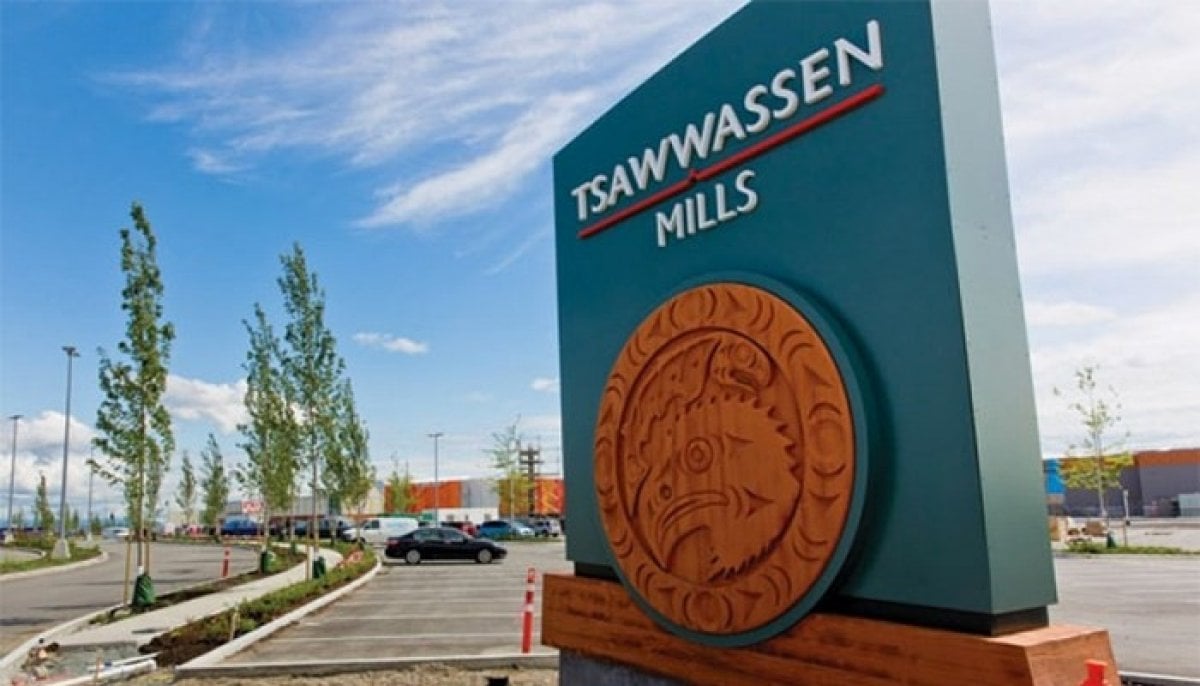 2 killed, 2 injured after pedestrians struck at Tsawwassen Mills
 -
 US Justice Department accuses Minnesota federal judges of misconduct
 -
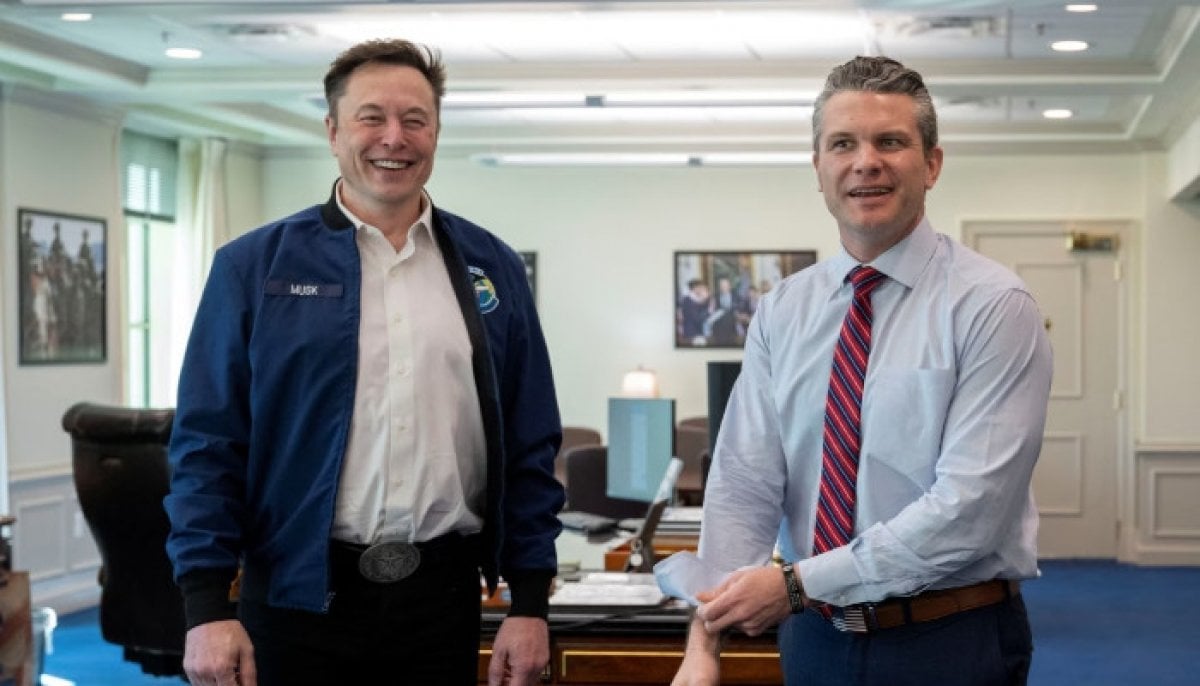 Elon Musk tapped for new Pentagon project to study ‘future of warfare’
 -
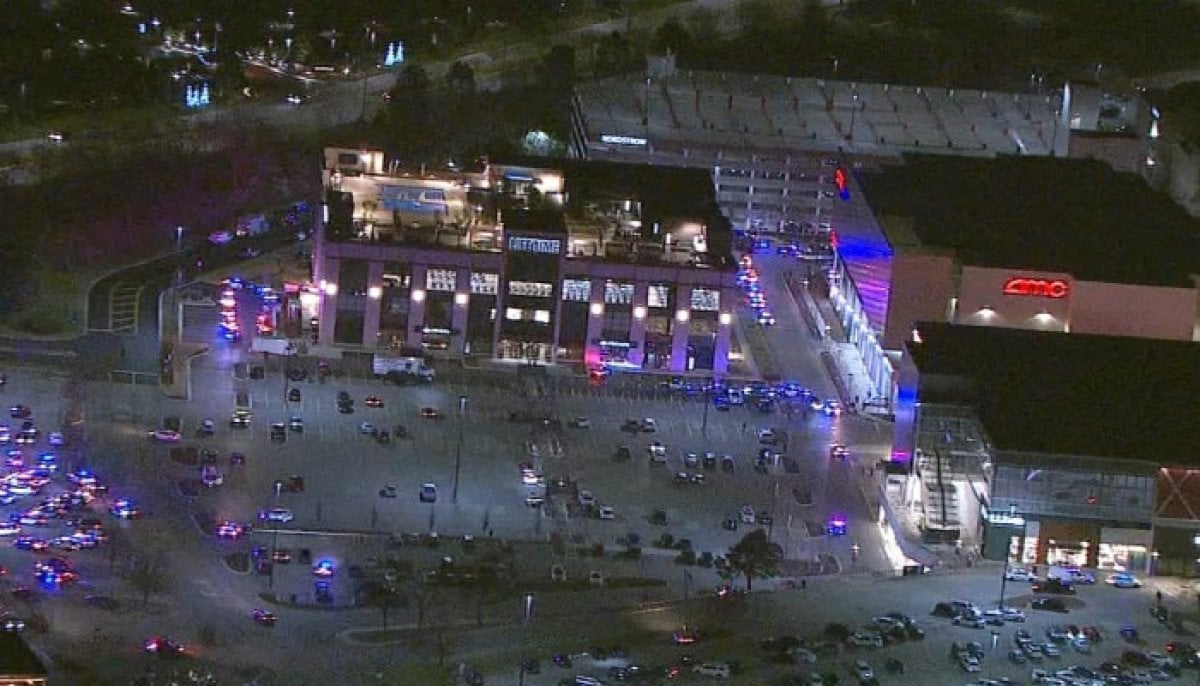 Oakbrook Center shooting: Police say all involved are in custody or accounted for
 -
 Russia warns it could use nuclear weapons if NATO cuts off Kaliningrad
 -
 Trump administration to send migrant deportees to Burundi under new deal
 -
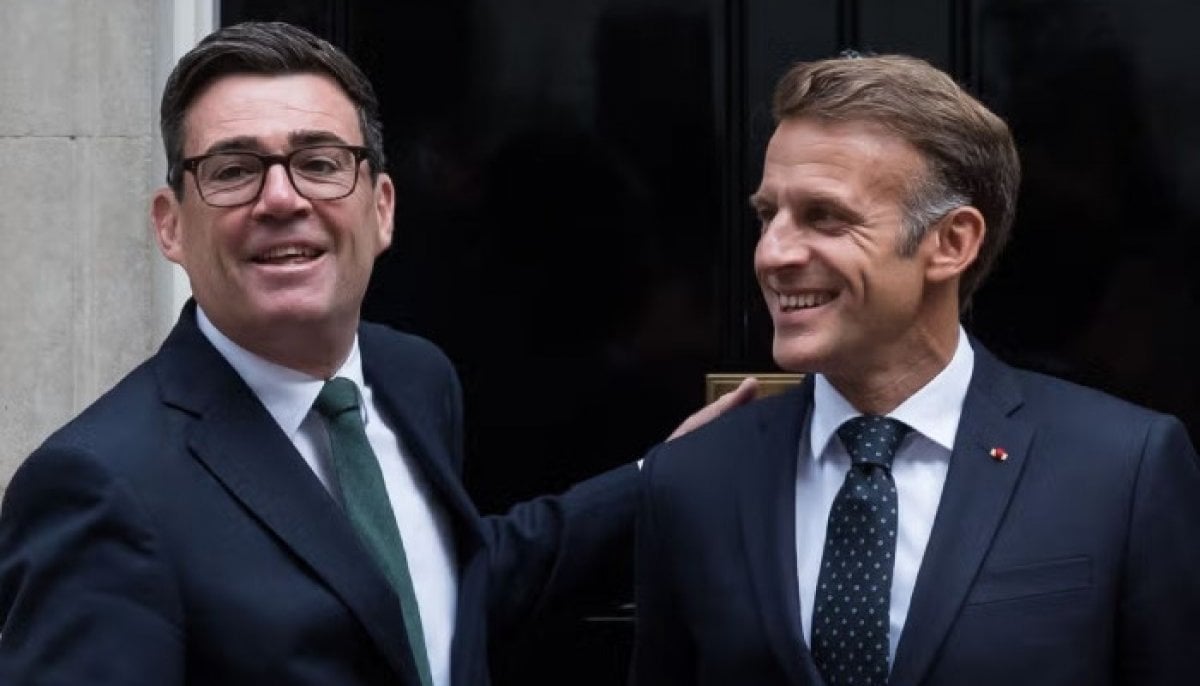 Macron tells Britain ‘welcome back’ after Burnham floats EU return
 -
 Tennessee woman’s execution halted just an hour before lethal injection
-
 Police expose Nancy Guthrie ‘new’ ransom note
 -
China extends US trade barrier investigations to December 27 amid ongoing talks
-
US court halts execution of woman on death row at eleventh-hour
-
UK household energy bills forecast to see biggest rise in four years amid shortage crises and geo-political tensions