Richard Scolyer Dies at 59: Pioneer cancer researcher received world-first brain tumor treatment
The Australian pathologist became a national treasure. In 2024, he was named as 'Australian of the Year'

Australian Professor Richard Scolyer, who received the world's first brain tumor treatment, died three years post-treatment on Sunday, June 7.
Scolyer, the world-renowned Australian pathologist and 2024 Australian of the Year, passed away at the age of 59.
The Australian pathologist made global headlines for his decision to undergo a risky world-first experimental treatment for his glioblastoma at the hands of his friend Professor Georgina Long—based on the pair's own scientific breakthroughs in skin cancer.
Their work on advanced melanoma—once a death sentence, has saved countless lives, and their encouraging findings in treating Scolyer's brain tumor have triggered an early-stage clinical trial in the US.
"I wanted to keep contributing, even in my darkest hour," Scolyer said in an open letter announcing his passing.
"I pen this letter as a final goodbye to all those I have had the immense privilege of loving, sharing life's adventures with, working alongside, and meeting during what can only be described as a life filled with happiness, optimism, opportunity, and passion."
He was one of the country's most respected medical minds; Prof. Scolyer became a national treasure. In 2024, he was named 'Australian of the Year' alongside Long.
As co-directors of the Melanoma Institute Australia, over the past decade the pair's research on immunotherapy, which uses the body's immune system to attack cancer cells, has dramatically improved outcomes for advanced melanoma patients globally. Half are now essentially cured, up from less than 10%.
Scolyer also pointed to the mentoring of up-and-coming pathologists as a source of pride in his career.
Speaking to the BBC in 2024, Scolyer said he refused to take his shock diagnosis lying down.
Glioblastomas, found in the brain's connective tissue, are notoriously aggressive, and the general protocol for treating them—immediate excision, then radiotherapy and chemotherapy—has changed little in two decades. Most patients with Scolyer's form of tumor survive less than a year.
"It didn't sit right with me… to just accept certain death without trying something," Prof. Scolyer said.
"I have always been driven by the belief that we all have a responsibility to try to change the future for others and leave the world a better place... and I have lived that ethos to the fullest," he added.


-
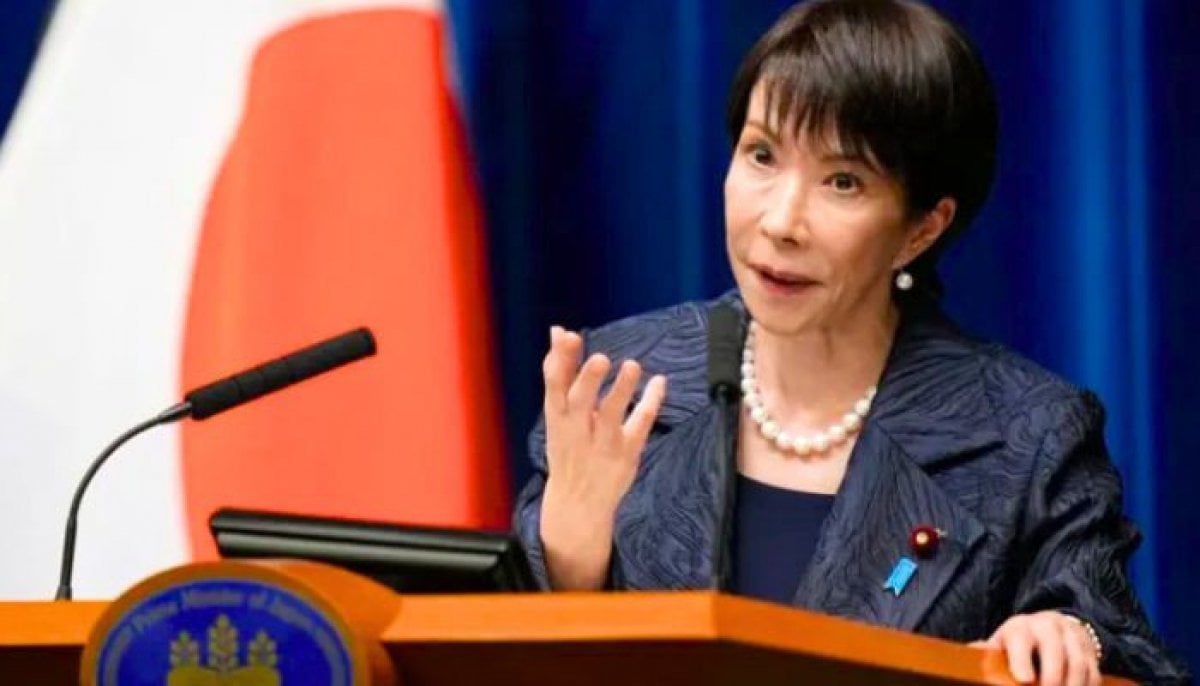 Japan PM Takaichi's approval rating slides as inflation weighs on public: Poll
 -
 Nvidia in talks to back OpenAI with $250 billion financing guarantee for mega data center: WSJ
 -
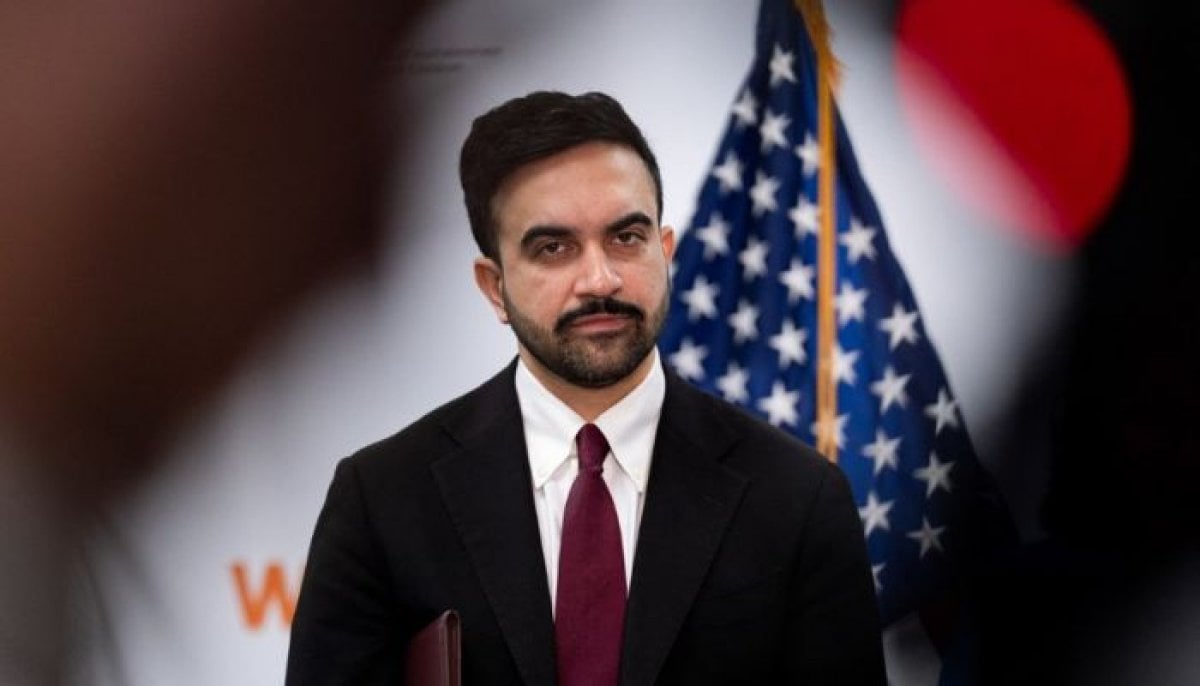 'Remove Mamdani': Hundreds of New Yorkers chant for mayor to step down
 -
 Morocco names massive 1,055km highway after US president Donald Trump
-
 Flash flood and severe thunderstorm warnings issued for parts of US
 -
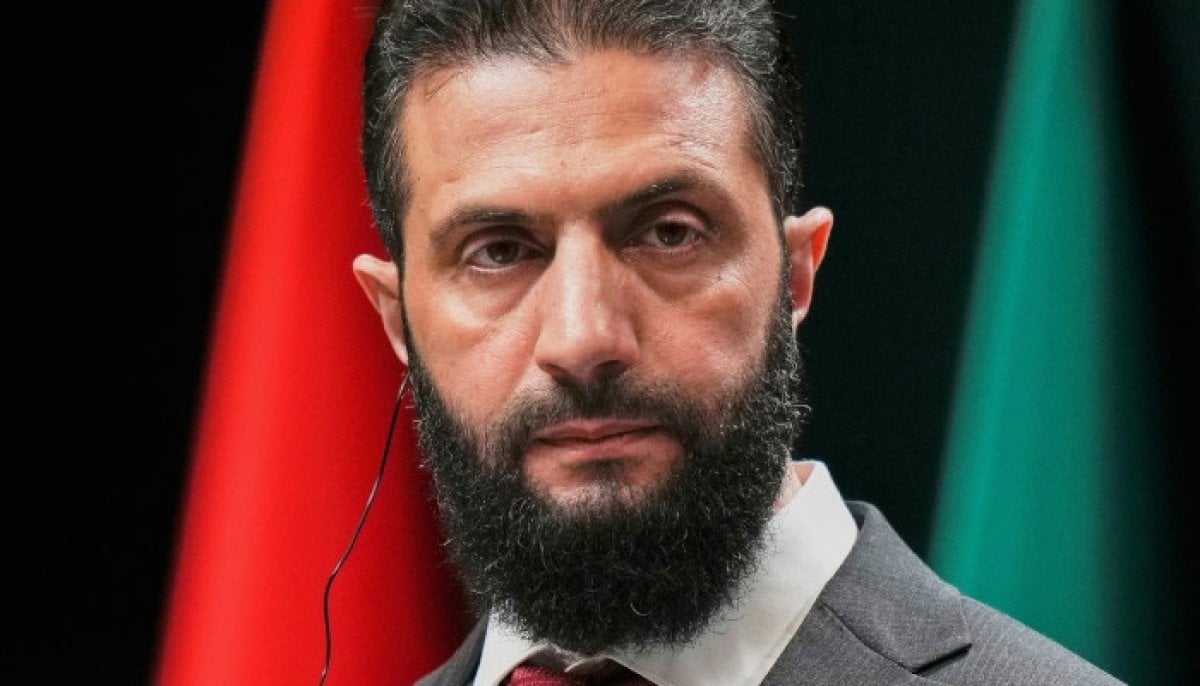 Syria seeking security deal with Israel, President Ahmed al-Sharaa says
 -
Japan PM Takaichi's approval rating slides as inflation weighs on public: Poll
-
 Iran issues warning to Ukraine over Caspian Sea shipping attack
 -
 Netanyahu says he will speak at UN in NYC despite Zohran Mamdani’s calls for his arrest
 -
 Trump border czar orders review of ICE vetting after Maine incident
 -
'Remove Mamdani': Hundreds of New Yorkers chant for mayor to step down
-
 Trump mail-in voting order remains blocked after appeals court ruling