NASA’s MAVEN spacecraft goes silent—What it reveals about Mars missions
MAVEN was launched in 2013 with mission to explore Mars

NASA’s MAVEN (Mars Atmosphere and Volatile Evolution) spacecraft has officially gone silent after 6 months of radio silence, marking an end to a successful mission.
It was launched in 2013 with a mission to provide data related to the Red Planet from orbit for one year only, but the MAVEN outperformed its goals by providing crucial scientific observations for 11 years.
MAVEN fell silent on December 5, 2024 when it passed behind Mars, leading to a disruption of communication with the space agency.
On Wednesday, NASA project manager Mike Moreau announced the death of the spacecraft, citing, “The team really did experience the loss of a loved one with the end of the mission here.”
According to analysis, the cause behind its death is its entry to a rapid and uncontrollable spins which disrupted its orbital stability and caused its batteries to deplete completely. Thereby, the board called it unrecoverable.
Talking about the future expectations, MAVEN was supposed to remain in orbit for 50-100 years before it crashes into the planet without posing any damage.
According to Maven’s lead scientist, Shannon Curry of the University of Colorado Boulder, “The team is certainly broken up about this, but at the same time we are incredibly proud of the science we’ve accomplished over the last decade.”
Although the loss of MAVEN proved to be an emotional blow to NASA, scientists have assured that no science will be lost regarding its significant role.
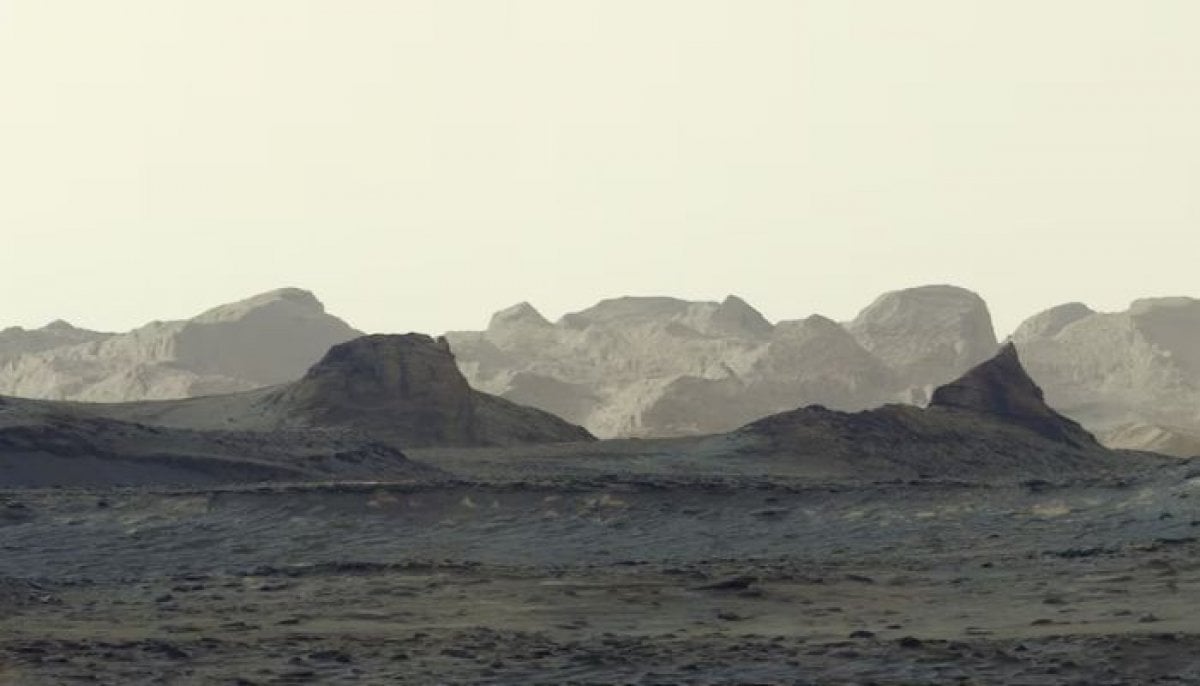
MAVEN has been useful when it comes to exploring the Martian atmosphere and serving as a communication relay point for data sent by NASA's Curiosity and Perseverance rovers.
Moreover, the spacecraft also helped the scientists to understand how and why Mars lost its atmosphere over the billions of years and how it became a habitable and cold dry desert as it is today.
“The spacecraft advanced scientists’ understanding of the Martian atmosphere and evolution,” Curry said.


-
 SpaceX Falcon 9 launches Dragon with 6,300 pounds of supplies to ISS
 -
 How far can a rover go? NASA’s Perseverance breaks Mars driving record
 -
 UAE builds asteroid lander designed to crash into its target
 -
 SpaceX Falcon 9 launches 21 military satellites into orbit
 -
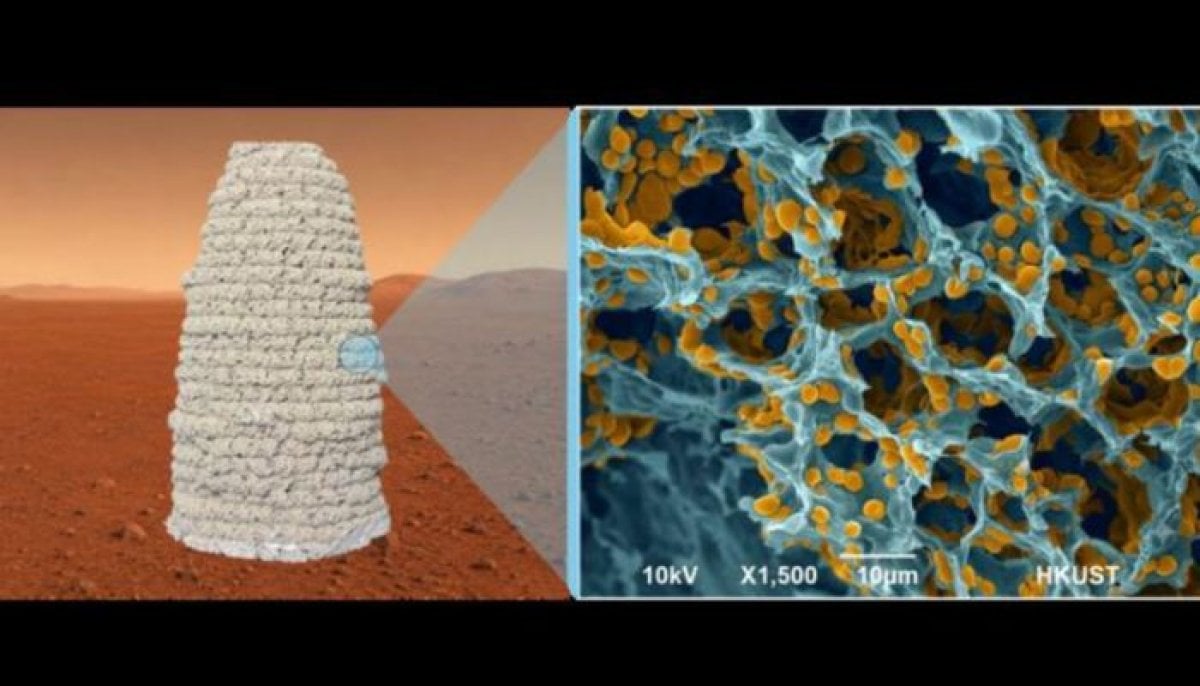 Could a newly engineered microbe help humanity survive on Mars?
 -
 Astronomers find most distant fast radio burst ever recorded
 -
 Draconid meteor shower tonight: Best time and places to see it
 -
 ‘A dream for 50 years’: Why world’s first nuclear clock could change timekeeping