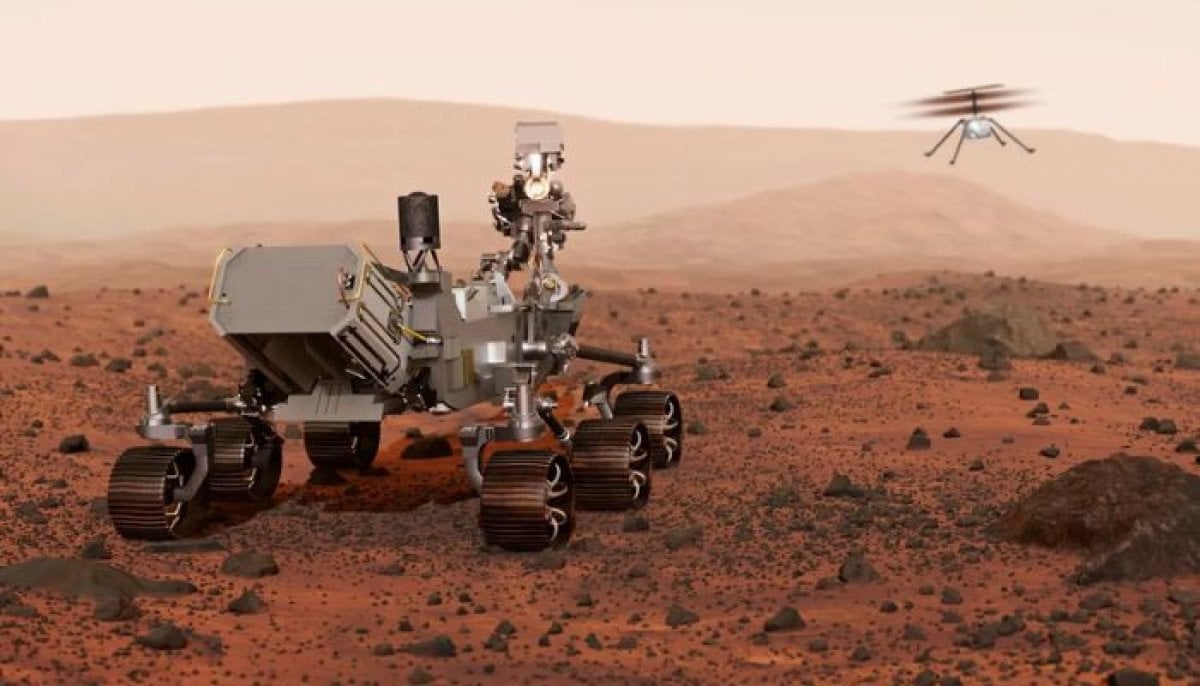
What New Glenn’s explosion means for NASA’s next Moon missions
Blue Origin's New Glenn rocket exploded during a static fire test on May 28, destroying its only launch pad

Blue Origin's New Glenn rocket exploded during a static fire test at Launch Complex-36 (LC-36) in Cape Canaveral on May 28, destroying the vehicle and severely damaging the launch infrastructure beneath it.
There were no casualties. However, the impact reaches further than the schedule for Blue Origin alone. The blast could potentially change the timeline of NASA's entire Artemis programme of missions to the Moon, with both 2027 and 2028 missions being jeopardised by an organisation without a backup site to conduct launches.
New Glenn had only just been cleared to fly again after a grounding that followed the NG-3 mission in April, when a second-stage failure left an AST SpaceMobile satellite stranded in an unstable orbit.
A review by the FAA had to take place before the rocket would be cleared to continue, and this was completed in the week leading up to the explosion. This test, known as the static fire at LC-36, the last step before lift-off on June 4th, ended up destroying both the vehicle and the pad.
Unlike SpaceX, which has numerous launch pads available in both Florida and California, Blue Origin does not have another option for launching its rocket. The rocket will remain grounded until LC-36 is rebuilt.
Blue Origin's Blue Moon lunar lander is meant to launch using New Glenn rockets. The first version of the Blue Moon Mark 1 was meant to launch in the fall of 2026 to send the initial components used for NASA's Moon Base 1 mission phase. Launching the lander has become highly unlikely.


-
 Hawks make Jonathan Kuminga a free agent by declining $24.3m option
 -
 Lili Reinhart reveals why she 'felt convinced' to do 'The Love Hypothesis'
 -
 Madonna's secret adoption after daughter Lourdes Leon's birth exposed
 -
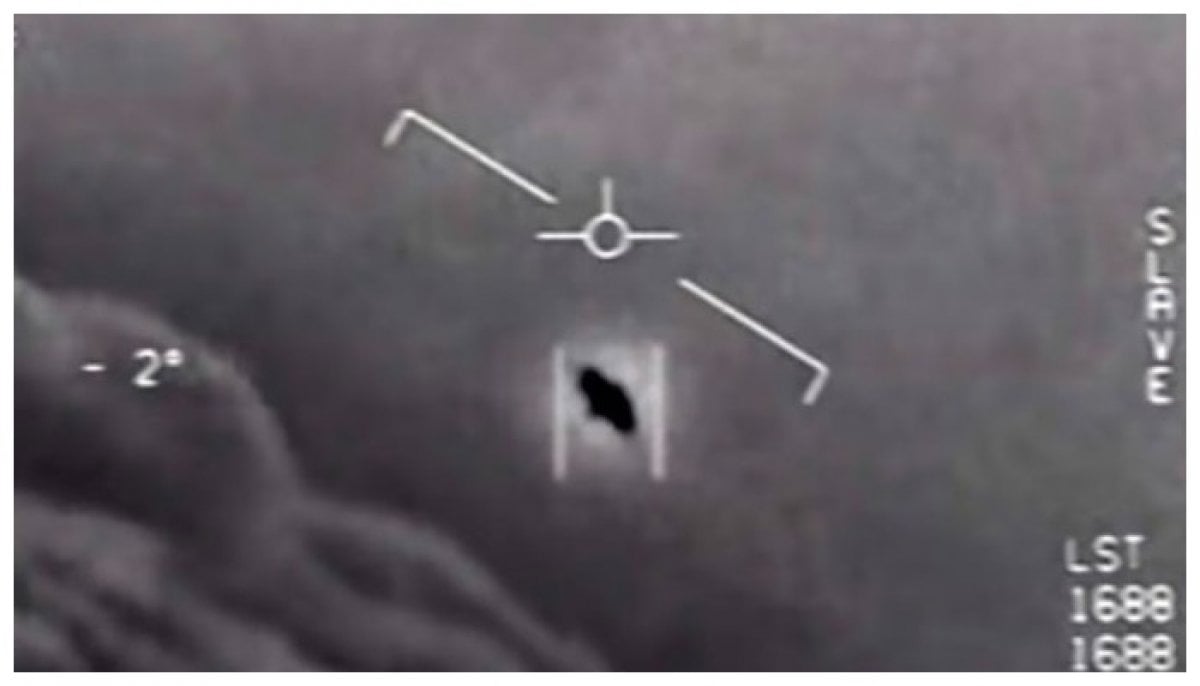 Secret UFO tape discovered after 70 years may reveal hidden details about 'Invasion of Washington'
-
 Scientists found 'super-puff' planets 1,110 light-years away
 -
 Scientists find ancient microbial life in places it shouldn't exist
 -
 Why Marijuana is suddenly sending thousands of dogs to hospitals in US?
 -
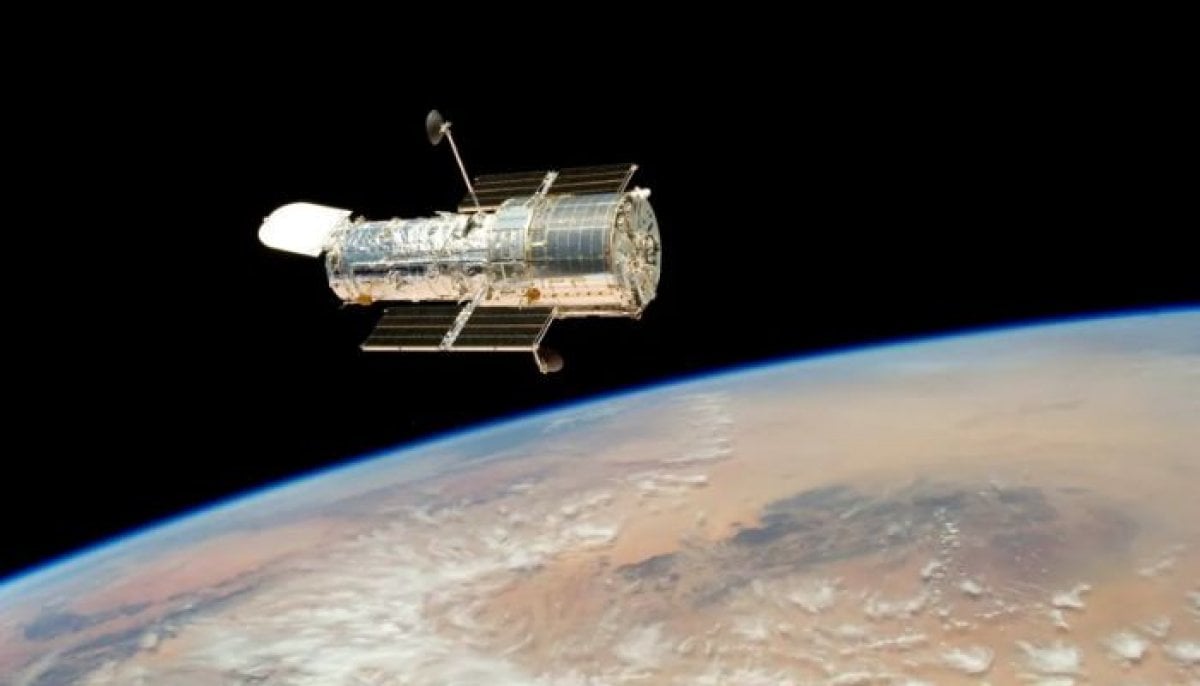 36 years on, Hubble shows how stars actually change over time
 -
 Hidden magma beneath Mars? Scientists' 'unexpected' discovery raises new questions about alien life
 -
 Rare 3,200-year-old coral blue hole discovered in South China Sea
 -
 What happens at black hole’s event horizon? Scientists find the first-ever clue
 -
 Scientists discover evidence of fires used by humans 1.8 million years ago
-
 Did NASA just uncover evidence of ancient life on Mars? Key discoveries explained
 -
Four powerful earthquakes strike three continents within hours: Scientific link or coincidence?
-
Mysterious interstellar comet passing our solar system may be 12 billion years old, scientists say
-
When do we really become adults? Science has an answer