High salt intake raises heart failure risk, study finds
Researchers believe that even small decreases in sodium consumption will lead to major reductions in heart failure cases
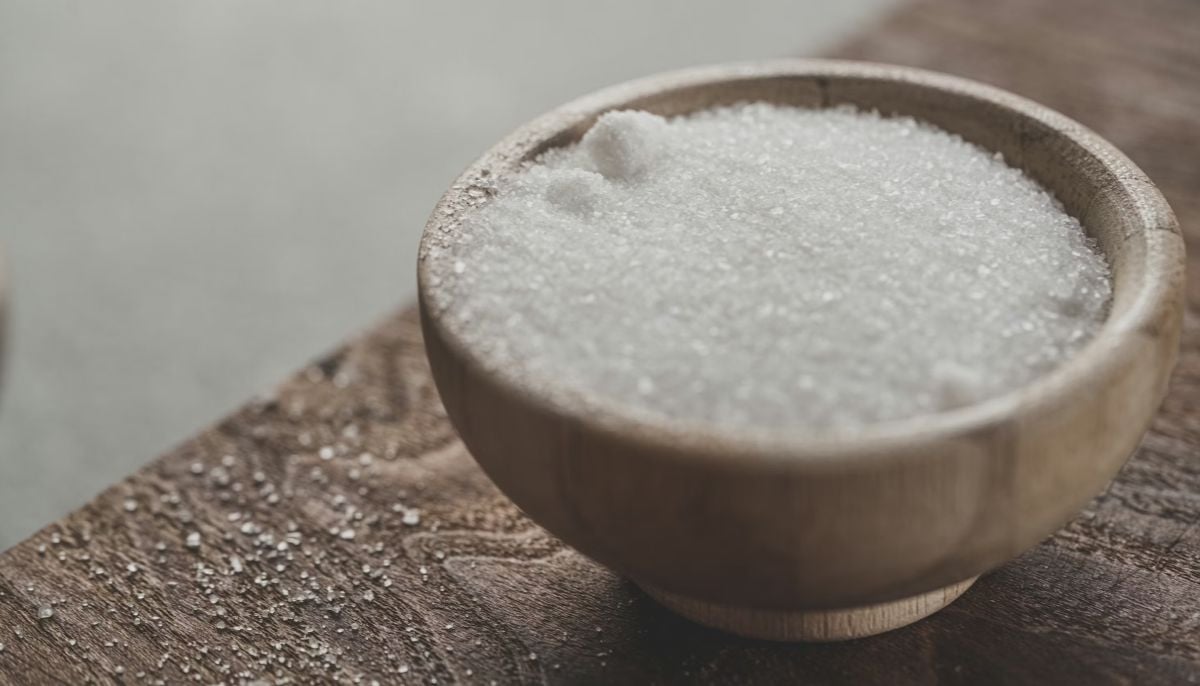
High sodium consumption has become a health hazard because a new Vanderbilt University study discovered that it directly increases heart failure risk. Researchers found that excess salt consumption results in new cases of the condition because other health factors remain constant.
The Journal of the American College of Cardiology: Advances published the findings which demonstrate that sodium intake monitoring needs to be treated as a vital health measure.
The research analysed more than 25,300 participants across the southeastern United States. On average, participants consumed nearly twice the recommended daily sodium levels.
The study found that this high intake is associated with a 15 per cent increase in the risk of developing heart failure. Researchers emphasised that sodium acts as an independent risk factor, not just through its impact on blood pressure.
The study showed that each 1,000 milligrams of sodium which people consumed daily increased their risk by 8% after researchers controlled for their obesity and cholesterol and hypertension levels.
The American Heart Association health guidelines recommend that people should limit their sodium consumption to 2,300 milligrams, which they should not exceed during each day. The study discovered that participants typically consumed approximately 4,269 milligrams of sodium per day.
Researchers believe that even small decreases in sodium consumption will lead to major reductions in heart failure cases. The problem of finding healthy food options which contain low sodium content remains especially difficult for people who live in areas with limited resources.
Researchers demand that public health authorities implement better measures which will help decrease excessive sodium consumption while they work to enhance permanent heart health outcomes.


-
 CDC monitors travelers from Siberia after plague worker’s death, director says
 -
 Russia pushes back on plague death reports, defends WHO notification
 -
 WHO deems Russia plague risk 'low' following lab technician’s fatal illness
 -
 New York declares Measles state of emergency amid nationwide disease resurgence
 -
 First-of-its-kind treatment shrinks unborn baby’s tumour before birth
 -
 France steps up Ebola support in Congo as fears of resurgence grow
 -
 Vance’s fraud crackdown may raise health insurance costs for Americans
 -
 One common mistake elevates blood pressure readings by 7 points, study warns
-
 Moderna loses US government license defense in patent case
 -
Novo says new Ozempic shows lower cardiovascular risk compared with Lilly’s Mounjaro
-
University of Nottingham researchers say new gel could regrow tooth enamel in weeks
-
New Chinese drug extends stroke treatment window from hours to 2 days: study finds