Apple fights to limit Epic ruling’s impact on App Store
Apple claims courts relied on 'broader spirit' of the decision rather than precise legal language

Apple is attempting to narrow the reach of its high-profile antitrust loss. In a recent court filing, the iPhone maker contended that the injunction secured by Epic Games should apply only to Epic itself not to other developers like Microsoft and Spotify who were not parties to the litigation.
This is seen as the latest effort by Apple to limit damage arising out of the US court's decision of 2025 requiring Apple to facilitate other means of payments on the App Store.
The case brought by Epic Games was a suit against a single defendant and not a class action, and accordingly, the relief must be limited, Apple submitted. The court’s injunction would inappropriately have an impact on businesses that were unconnected with Epic's claims, the company maintained.
The Ninth Circuit Court had ruled that Apple must permit developers to facilitate payment using channels other than the in-app purchasing system offered. Apple complied with this injunction; however, it kept on charging up to 27% commission for transactions made through other payment channels.
The court later ruled these charges effectively nullified the injunction's purpose, issuing a civil contempt order against Apple. The company now contests that interpretation, arguing the original ruling never explicitly prohibited commissions on outside payments.
Apple claims courts relied on the "broader spirit" of the decision rather than precise legal language.


-
 Anthropic warns government pressure could hurt customer ties ahead of IPO
 -
 WhatsApp's new Restricted Chat blocks linked devices
 -
 AI is quietly driving US Treasury yields higher
 -
 OpenAI fires workers over mishandling sensitive data: report
 -
 YouTube web login bug locks users out, apps still work
 -
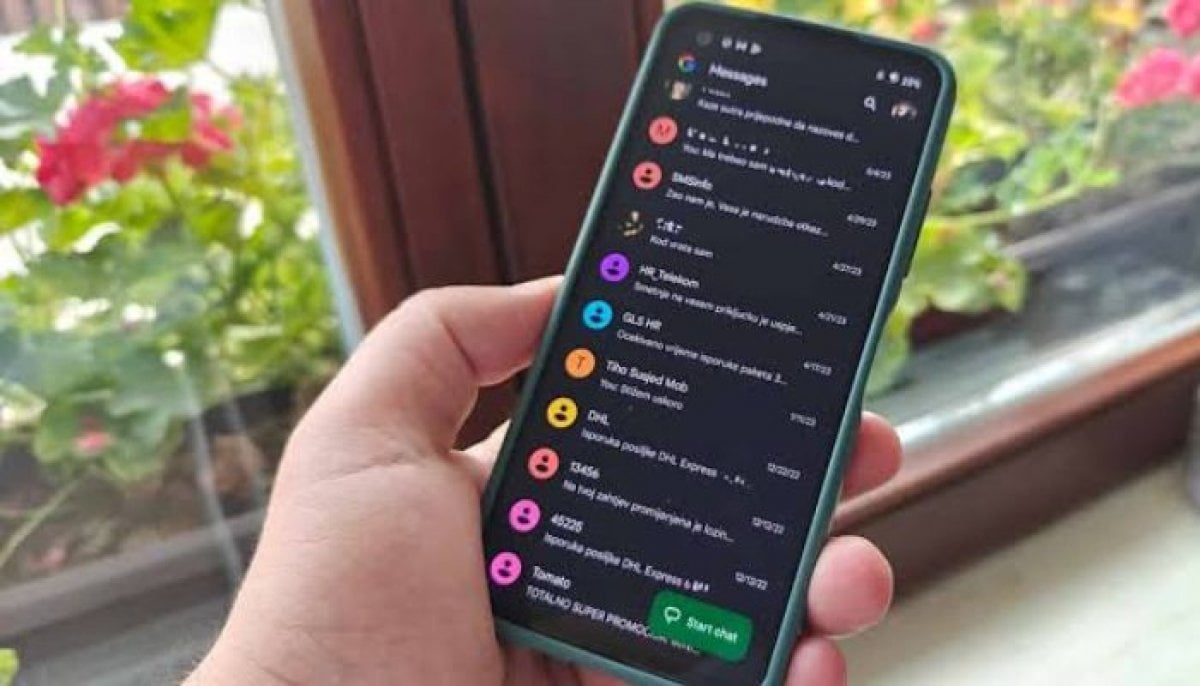 Google Messages finally lets you copy part of a text
 -
 New Mexico seeks $40 billion penalty against Meta in privacy case
 -
 ChatGPT's 'fake goodbye' trend goes viral