Can humans grow food on Moon? New research says yes
Lunar soil, also referred to as regolith, is not suitable for plant life due to the presence of metals
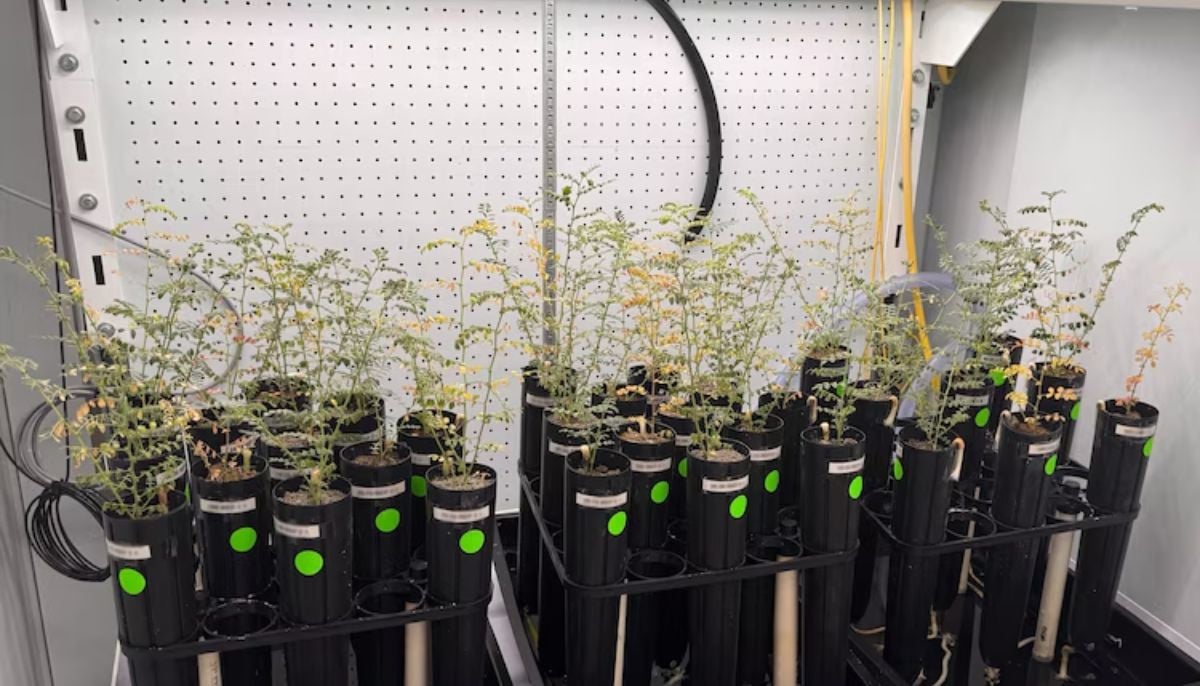
Scientists are one step closer to growing crops on the moon after successfully cultivating chickpeas in simulated lunar soil. A study done by a research study conducted by Texas A&M University Department of Soil & Crop Sciences Ph.D. candidate Jess Atkin revealed that the combination of lunar soil simulant, symbiotic fungi, and vermicompost allows the reproduction of chickpea plant life.
Lunar soil, also referred to as regolith, is not suitable for plant life due to the presence of metals, the absence of a microbiome, and the inability of water to pass through the soil.
Arable soil requires organic matter together with microorganisms, but the moon lacks both of these essential components. The researchers established a plant growth environment by combining arbuscular mycorrhizae fungi with vermicompost.
Why did scientists choose chickpeas to grow?
Scientists chose chickpeas because they have high stress resistance, high protein content, and the ability to attract beneficial microorganisms. While leafy greens and radiation-resistant crops have been used in space crop studies, Atkin said chickpeas have special advantages for the moon’s agriculture.
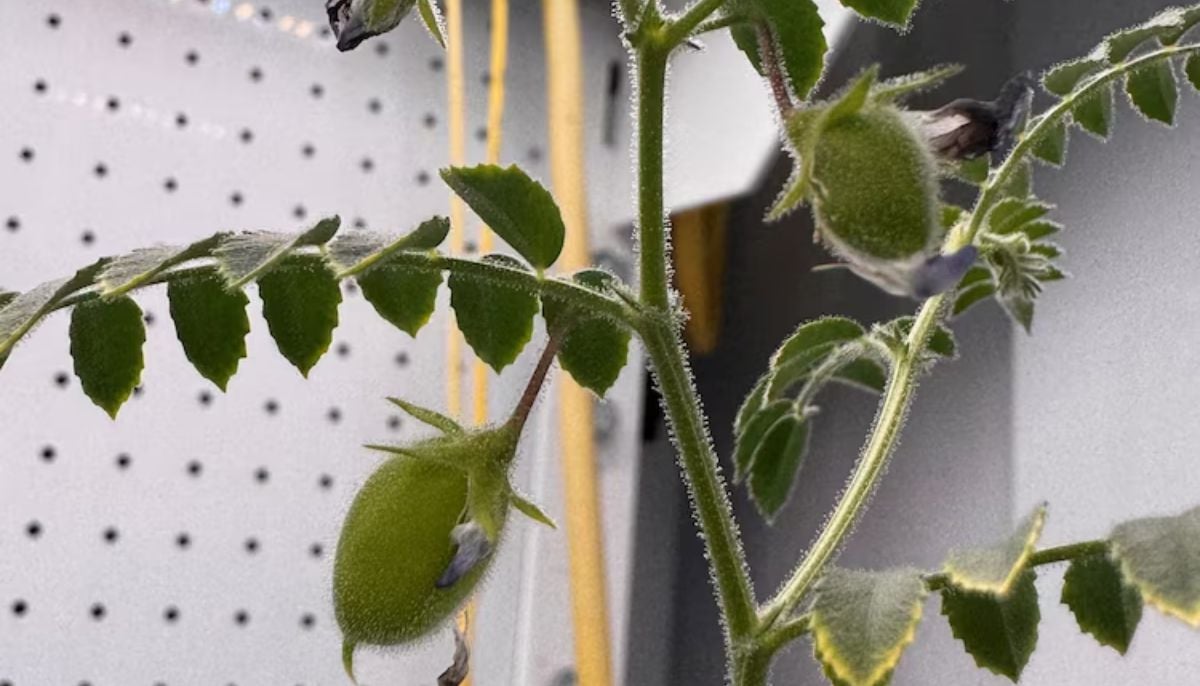
The experiment proved that the more regolith, the less reproduction, but the quality of the seeds produced was the same. The seeds are being tested for their nutrition, protein, and metal content.
The regolith, or moon dirt, is sent from a lab in Florida that replicates the dirt at the landing sites for the Artemis IV mission, scheduled for 2028. Atkin reported that the fungi established themselves throughout the regolith, which demonstrated its potential to support a sustainable living environment on the moon for multiple generations.


-
 Chinese astronomers discover real-life three-body system unlike Liu Cixin’s fiction
 -
 Hunter’s Moon 2026: When and how to watch October’s full moon
 -
 Elon Musk’s Mars colonization dream faces reality check from Nobel laureate
 -
 NASA competition model 2.0 cuts mission selection by 45%
 -
 A ‘neglected’ neutrino may hold the key to why the Universe exists
 -
 Can cancer drugs be made in space? Here’s what the new mission aims to find out
 -
 SpaceX Falcon 9 successfully launches Bandwagon-5 mission with 32 payloads
 -
 Europe launched 8 orbital rockets last year, can it rival Starlink?