New study shows dark spots in light waves outrunning the speed of light
An intriguing study confirmed a 1970s prediction: these vortices can move faster than light waves
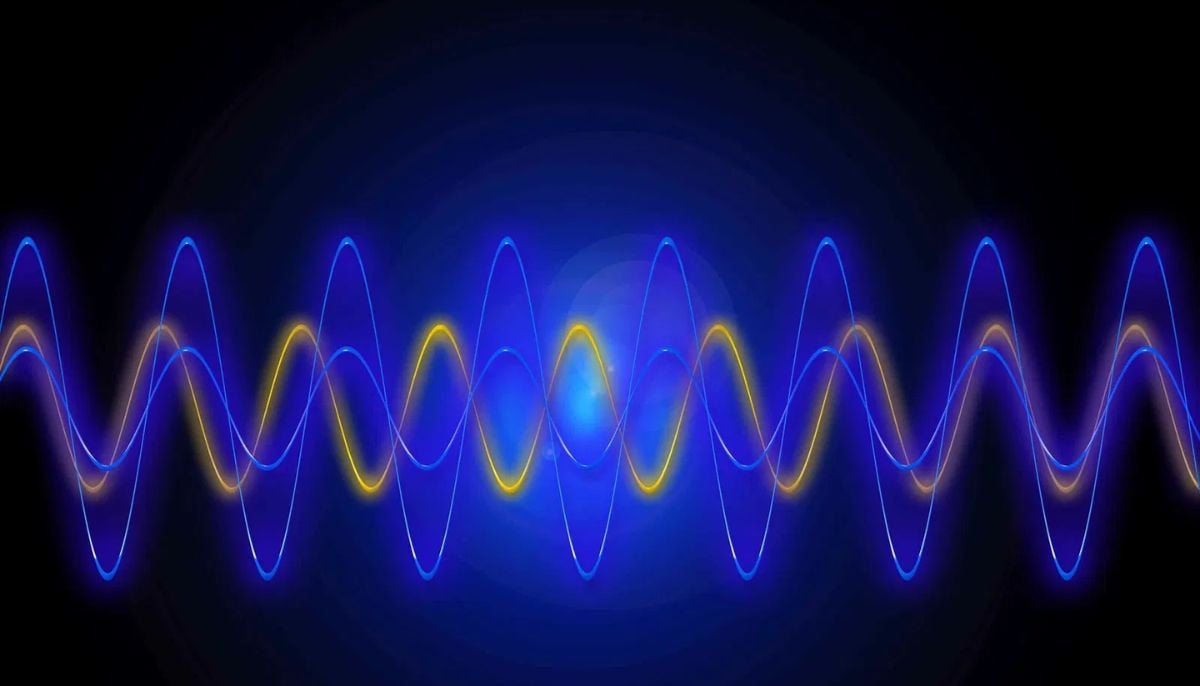
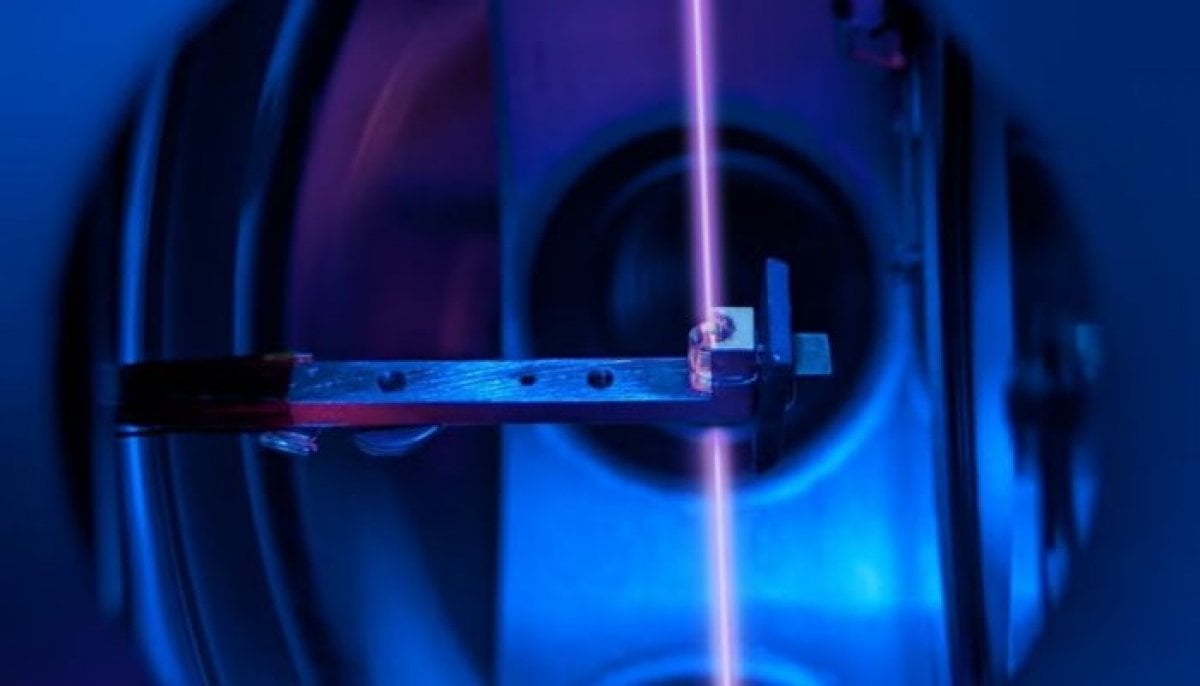
Researchers have achieved a recent breakthrough, transforming a 50-year-old theory into experimental reality. They successfully measured vortices within light waves- locations where the wave’s amplitude drops to zero, essentially tiny holes of complete darkness. This intriguing study confirmed a 1970s prediction that these vortices can move faster than the light wave they are embedded in.
This does not violate the laws of relativity as Einstein’s speed limit applies to matter with mass and signals carrying energy or information. These vortices are points of nothingness that can technically outrun the light itself, as they carry neither. The experiment used a material called hexagonal boron nitride (hBN, in which light glows down by coupling with atoms to form light-sound waves called polaritons. The team used a unique electron microscope integrated with a laser system, providing record-breaking temporal and spatial resolution-allowing them to observe phenomenon at incredibly small scales and extreme speeds.
Researchers used a new method called electron interferometry to map these delicate nanoscale movements with unprecedented sharpness. These findings aren't just about light; they reveal laws of nature that apply to all waves, including ocean currents, sound, and even the flow of fluids in superconductors. The study’s discovery provides a new tool for mapping hidden processes in biology, chemistry, and physics.
Nonetheless, this study offers insights into improved imaging of ultrafast and tiny phenomena, as well as new methods for encoding data in materials. Furthermore, it provides a better understanding of how particles move in complex systems.


-
 NASA to brief public on Artemis III mission progress
 -
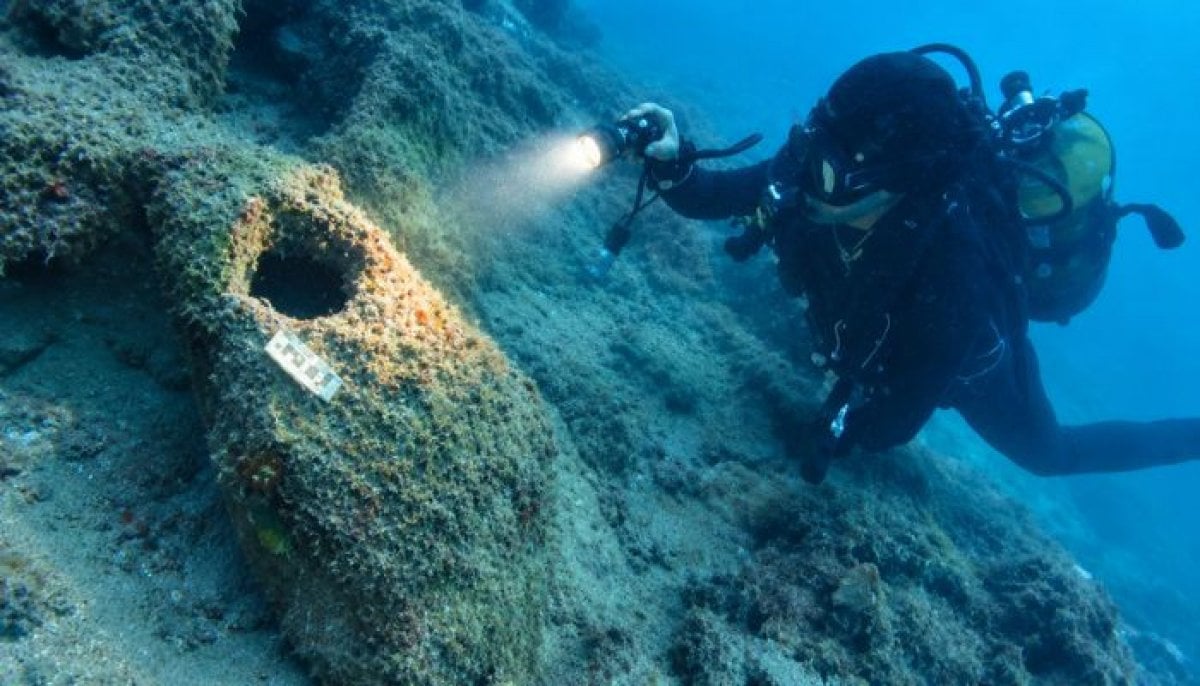 ‘Time capsule beneath the sea’: World’s oldest shipwreck holds secrets from Great Pyramid era
 -
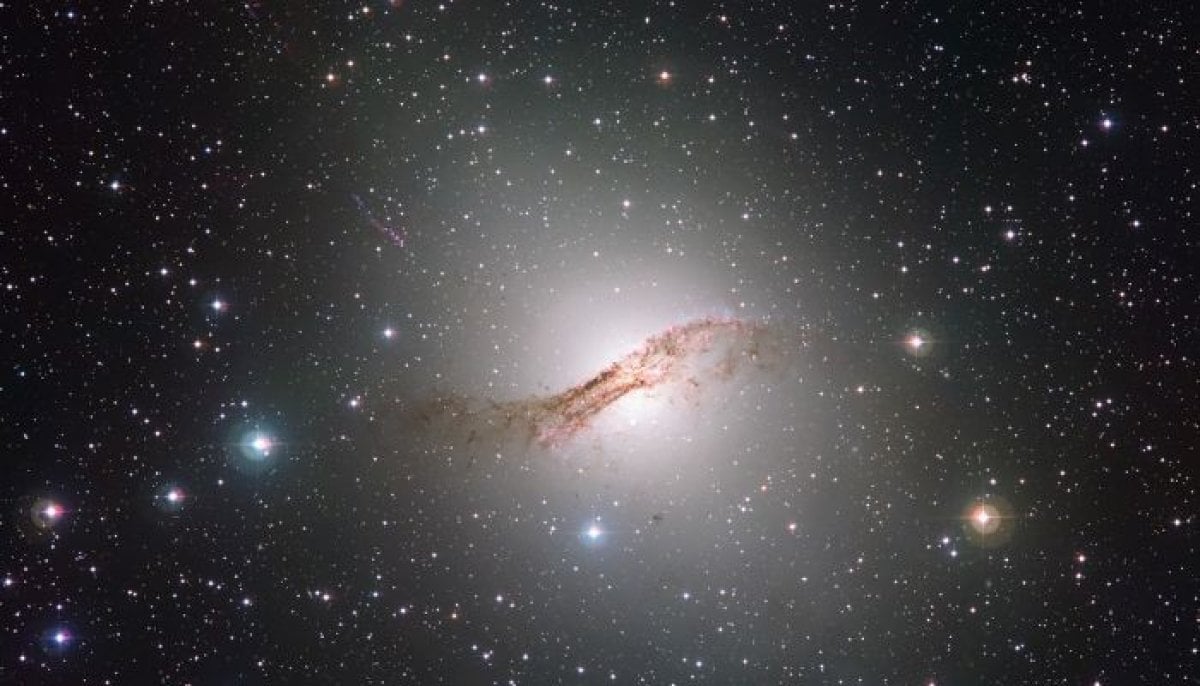 NASA spots mysterious V-shaped scar stretching 700 light-years across space
 -
 Space Jellyfish over Florida: What is that glowing cloud?
 -
 SpaceX Falcon 9 launches Dragon with 6,300 pounds of supplies to ISS
 -
 How far can a rover go? NASA’s Perseverance breaks Mars driving record
 -
 UAE builds asteroid lander designed to crash into its target
 -
 SpaceX Falcon 9 launches 21 military satellites into orbit