China’s Two Sessions 2026: Key decisions, economic targets and policy shifts to watch
Two Sessions start on Wednesday and typically will continue for one to two weeks
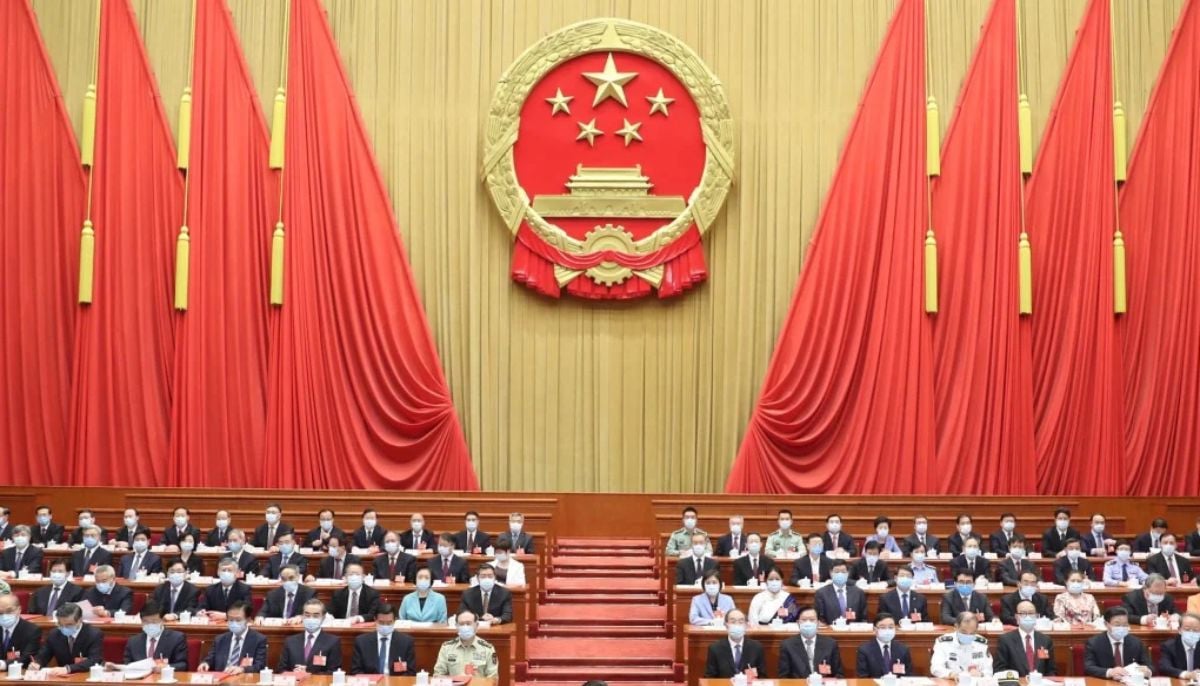
China’s biggest political meeting “Two Sessions” is set to take place this week, aiming to lay down the country's roadmap under the new Five Year Plan.
Two Sessions start on Wednesday and typically will continue for one to two weeks, reflecting the priorities of the world’s second-largest economy.
Occurring against the backdrop of economic transition and military purges, this biggest political event serves as the primary roadmap for Beijing’s domestic and global strategy.
What are China’s Two Sessions?
The gathering refers to two separate meetings of China’s main political bodies. The first meeting includes the Chinese People's Political Consultative Conference (CPPCC). Being an advisory body, CPPCC contains 2000 members from various sectors. It discusses policy but lacks legislative power.
The second meeting which will occur on Thursday involves the National People's Congress (NPC). The body is a formal legislature with approximately 3000 delegates and acts as a “rubber stamp” body for decisions made by the Communist Party leadership.
Real authority rests with a smaller standing committee elected from congress delegates. The committee consists of 175 members and is chaired by Zhao Leji.
What happens at Two Sessions & Why does it matter for the world
Two Sessions are critical for the rest of the world to gauge the trajectory and policies of the world’s second largest economy. During the meetings, official economic targets are set; key policy changes explained, changes in party leadership are confirmed, and military budgets are announced.
What is different about this year’s gathering?
This year, China is focusing on its 15th Five-Year Plan (2026-2030), which outlines the country’s main goals for the near future.
Moreover, these meetings are happening in the backdrop of internal instability as President Xi Jinping recently removed high-ranking military generals and defense officials from their posts in an anti-corruption campaign.
In 2024, the government abolished a long-standing tradition–the annual press conference with the Premier. The act is seen as a way to strike down forum transparency.
What key policies are expected this year?
When it comes to economic and tech goals, China is striving to make itself more independent. This year the officials are focusing on boosting domestic spending and consolidating high-tech leadership to rival the West.
The Government Work Report will be delivered by Premier at this event. The report will set a 5 percent annual GDP growth target and outline key economic policies.
In the 5-years tech strategy, China is moving beyond individual breakthroughs to focus on “industrial level” upscaling, aiming to integrate AI, robotics, quantum technology, and aerospace into the broader economy.
Ethnic unity law
This year’s agenda also includes “ethnic unity” law, a controversial bill that promotes the use of Mandarin over minority languages and encourages intermarriage between Han majority and ethnic minorities.
According to the draft, it mandates parents and guardians educate and guide minor girls to love the Chinese Communist Party.
Ecological and Environmental Code
The congress is also expected to approve the Ecological and Environmental Code. This legal framework will encourage low-carbon development and pollution control.


-
 Virginia's County sues to halt Trump's 250-foot triumphal arch near Arlington National Cemetery
 -
 Elon Musk's mother leaves him emotional with heartfelt remarks
 -
 Nobel Prize winner Maria Corina Machado calls for presidential elections by July 2027
 -
 Navi Pillay wins Nobel Peace Prize for promoting peace and international law
 -
 Russia-Ukraine peace efforts: Trump envoys to discuss new US proposals with Kyiv, Europe
 -
 Two homes in Hamilton, Ontario devastated by explosions, three hospitalised
 -
 Labour wins Keir Starmer’s former seat as defeating Green party in London byelection
 -
 Cornell 7 assault case takes shocking turn as new text messages emerge
-
 Carney hits back at Elon Musk after his comments backing Quebec, Alberta separatism
 -
Russia strikes passenger bus in Ukraine, killing at least 30 civilians: officials
-
Trump targets Microsoft, tech firms, top universities over alleged green card abuse
-
Hurricane Isaias could approach Category 3 threatening Gulf Coast with flooding