Total Lunar eclipse: What you need to know and where to watch
The eclipse will turn the moon red in the early morning hours of March 3, according to NASA
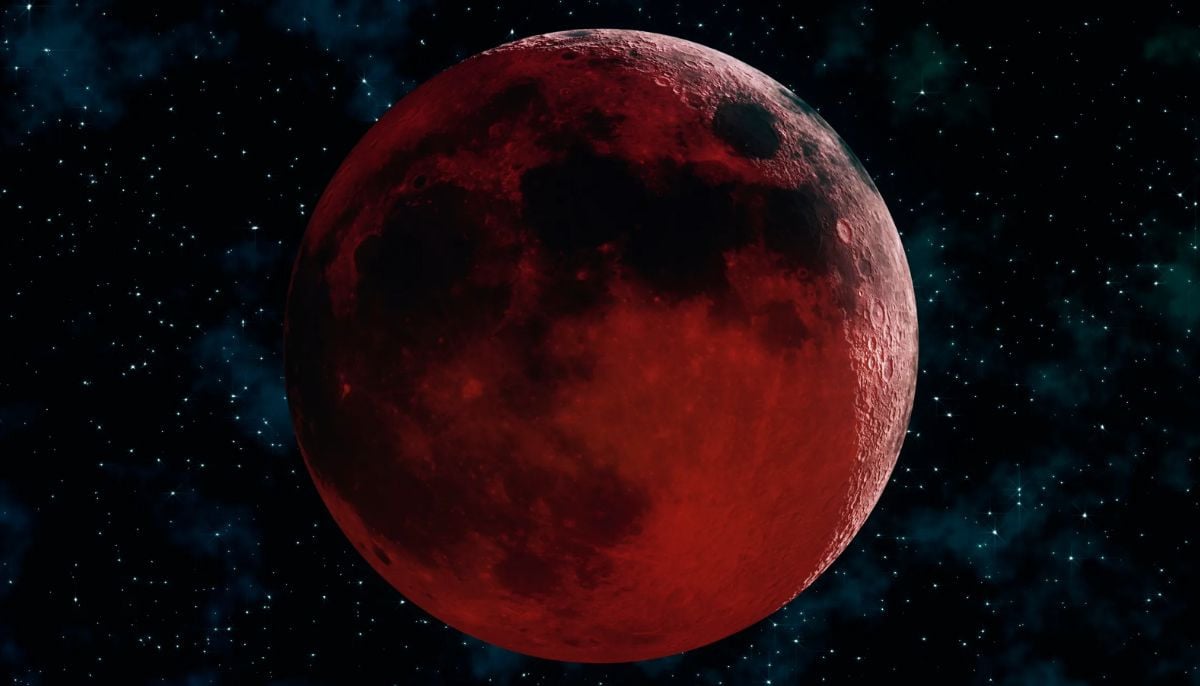
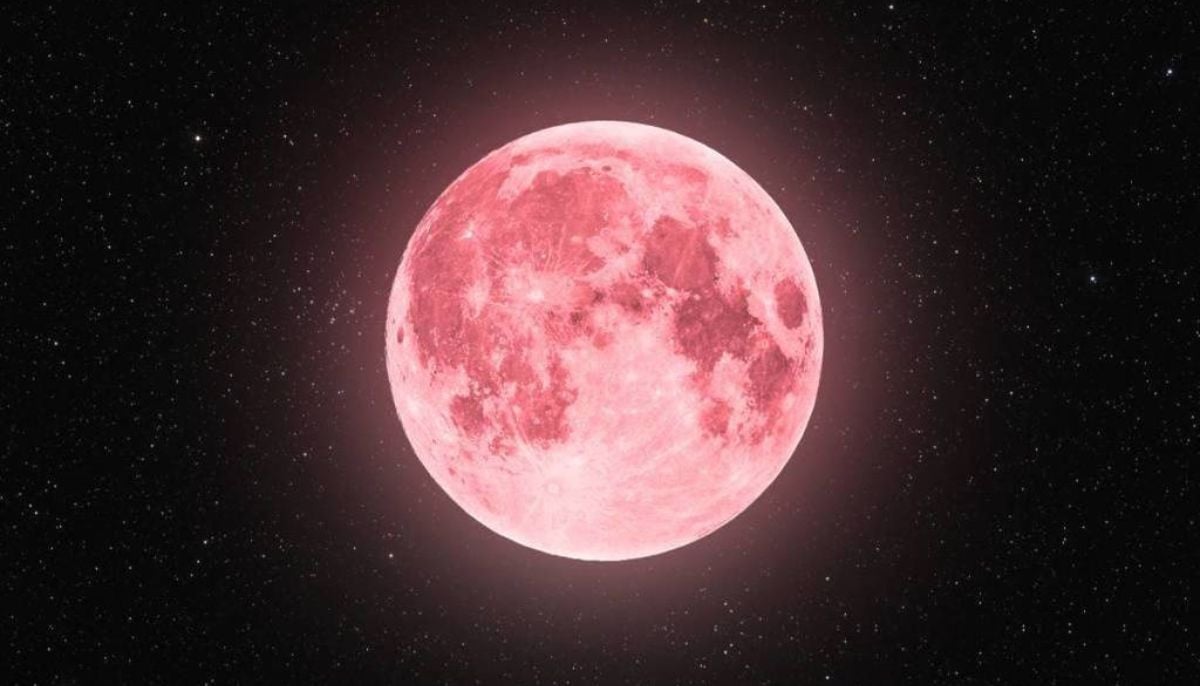
A total lunar eclipse, also known as a Blood Moon, will take place on Tuesday, March 3. This is one of two lunar eclipses this year and is particularly notable because it occurs when the Earth passes between the sun and the moon. The planet blocks most of the sun’s light from reaching the Moon. While some light reaches the lunar surface, it is filtered through Earth’s atmosphere, creating a reddish color.
Skygazers can easily view the eclipse anywhere with a direct view of the natural satellite. No special equipment is required to see the intriguing phenomenon. Those who wish to view this intense experience should observe the moon from a dark environment far away from city lights.
Where will the total lunar eclipse be visible on March 3?
The eclipse will be visible in the evening from East Asia and Australia, throughout the night in the Pacific and going into the early morning in North and Central America. The total eclipse will begin around 6 a.m. EST and end around 7 a.m. EST. A partial eclipse will continue until around 8:15 a.m.EST, with the final phase ending at 9:22 a.m. EST. According to NASA, during an eclipse it may be easier to view constellations; the Moon will be in the constellation Leo, under the lion’s hind paws. Following this eclipse, Venus and Saturn will appear on March 8.


-
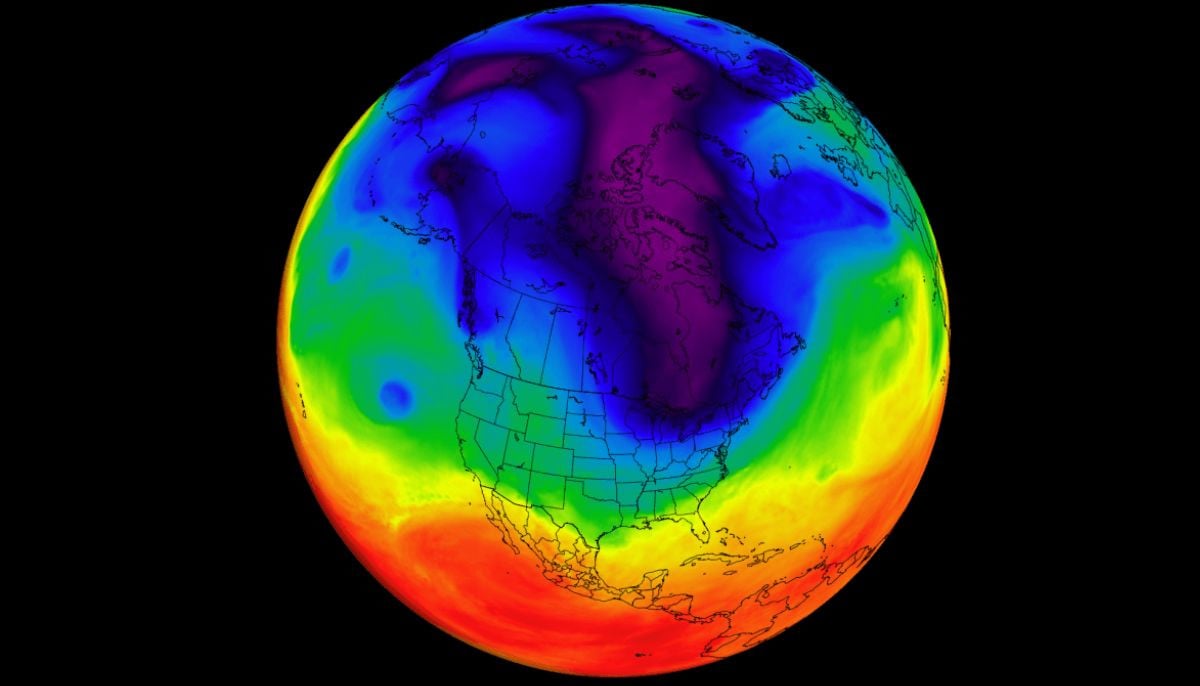 Polar Vortex enters final ‘seasonal’ phase: Rare shift signals winter weather risks into April
 -
 A10 Warthog hit as US jet downed in Iran, one crew rescued and search underway for second
 -
 Meningococcal disease, dangerous bacterial infection, hits decade high in Canada
 -
 Alejandro Kirk injury concern grows as Blue Jays await X-ray results after his exit
-
Polar Vortex enters final ‘seasonal’ phase: Rare shift signals winter weather risks into April
-
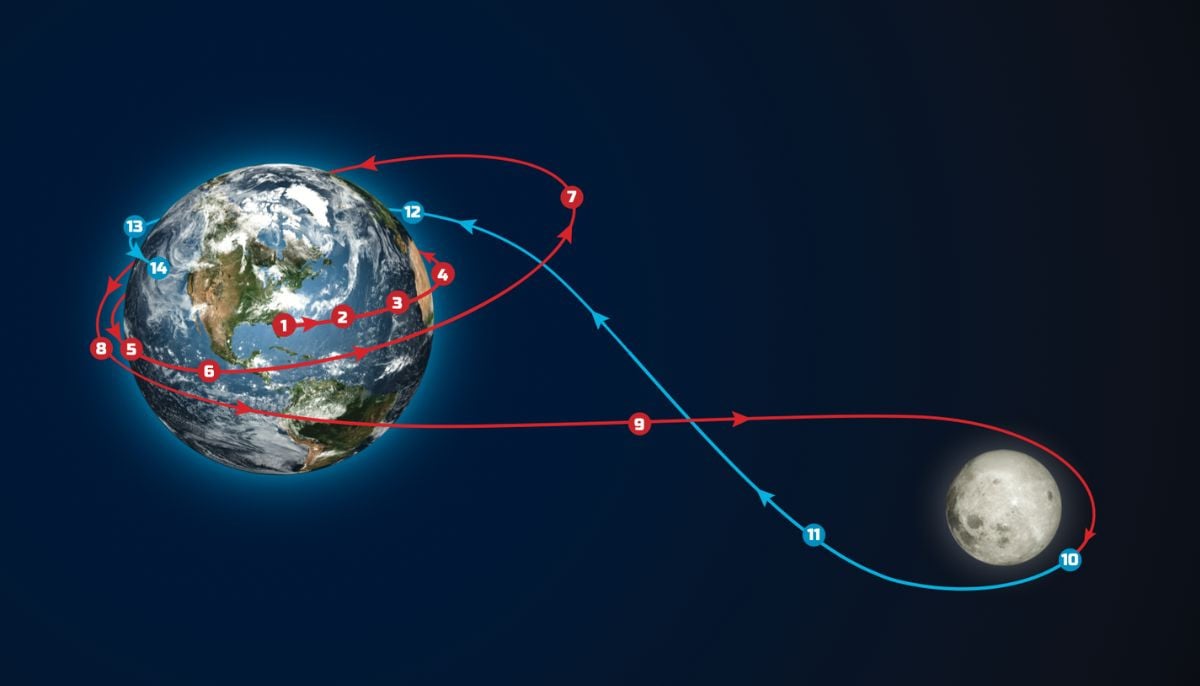 Why NASA Artemis II won’t take straight path to Moon: ‘Figure-8’ route explained
 -
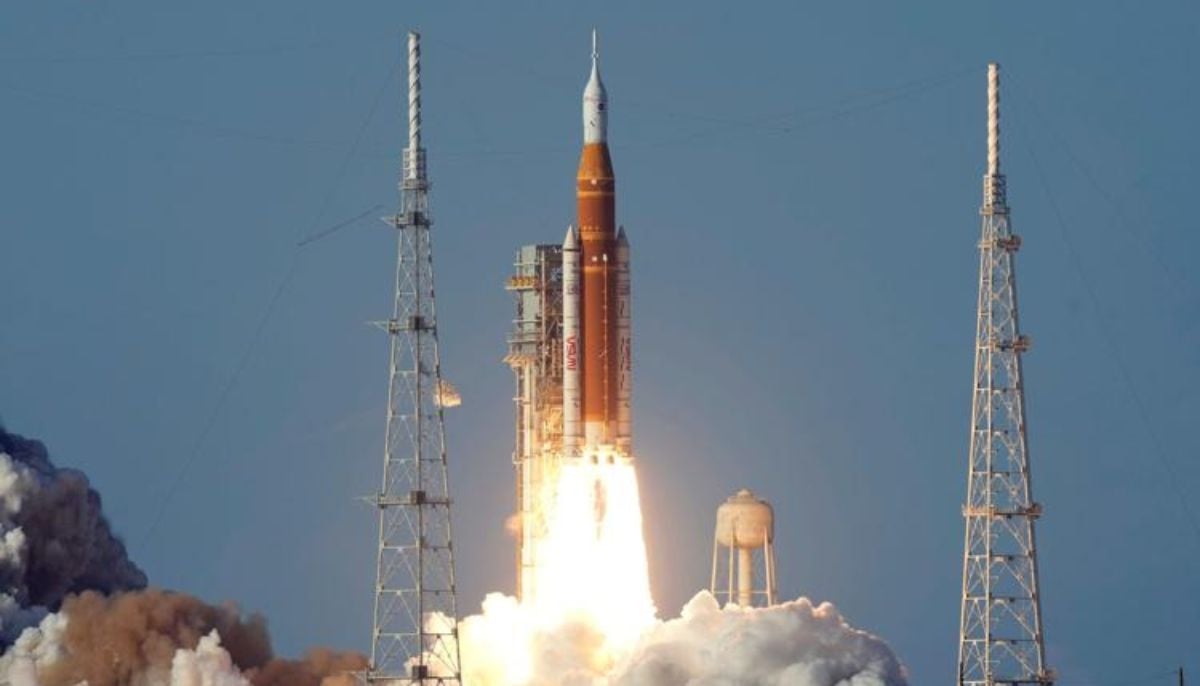 Even in space: NASA Artemis II astronauts hit Outlook glitch mid-mission
 -
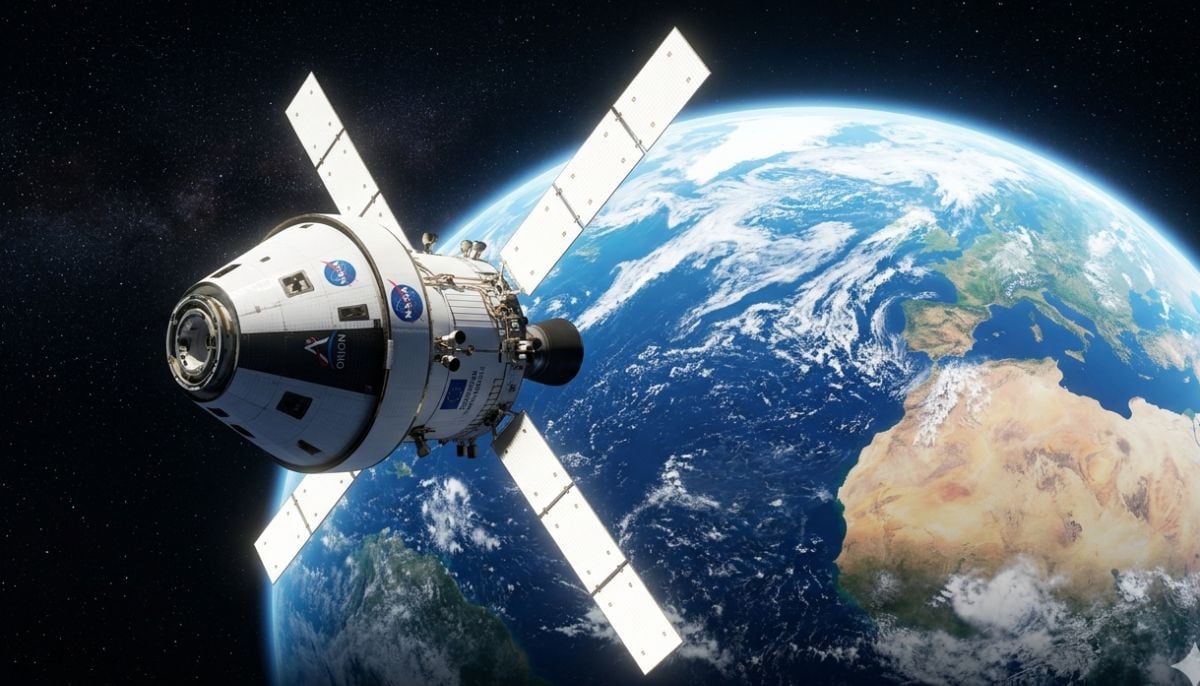 Artemis II hurtles ever closer to the lunar far side
 -
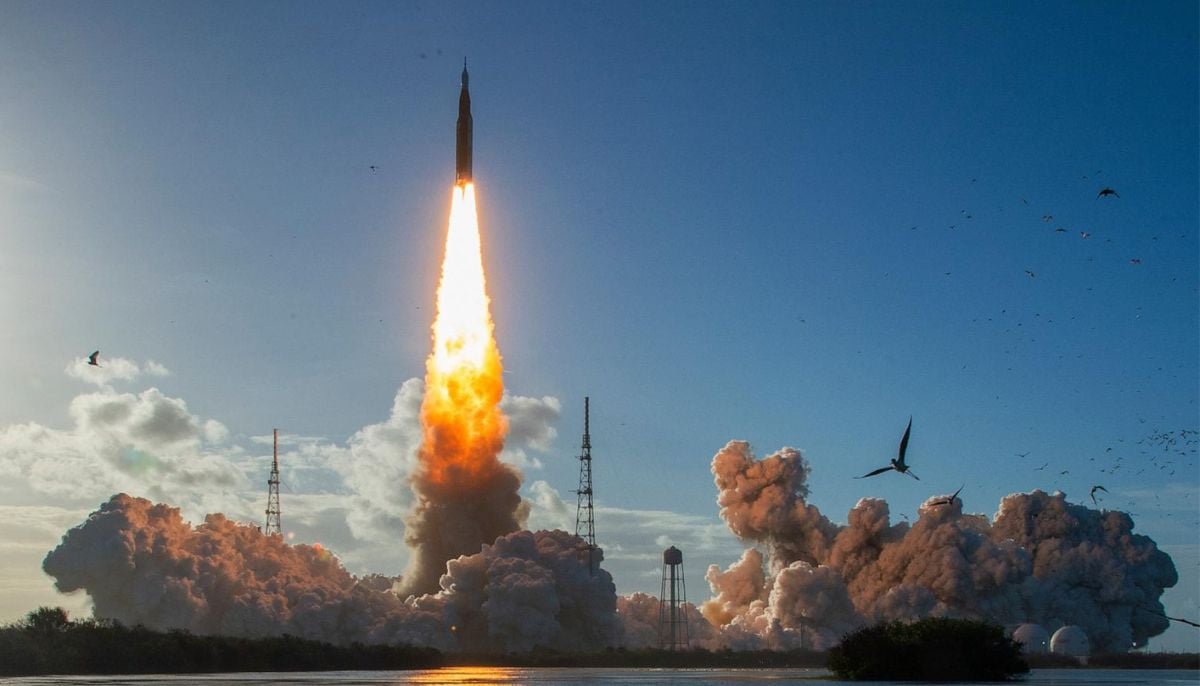 Where is Artemis II today? Here is everything to know about NASA’s journey to the moon
 -
 European Space Agency to negotiate with NASA on future lunar missions
 -
 SpaceX AI satellites plan raises doubts after Microsoft setback
 -
 NASA Artemis II lifts off, sending cubesats into deep space study