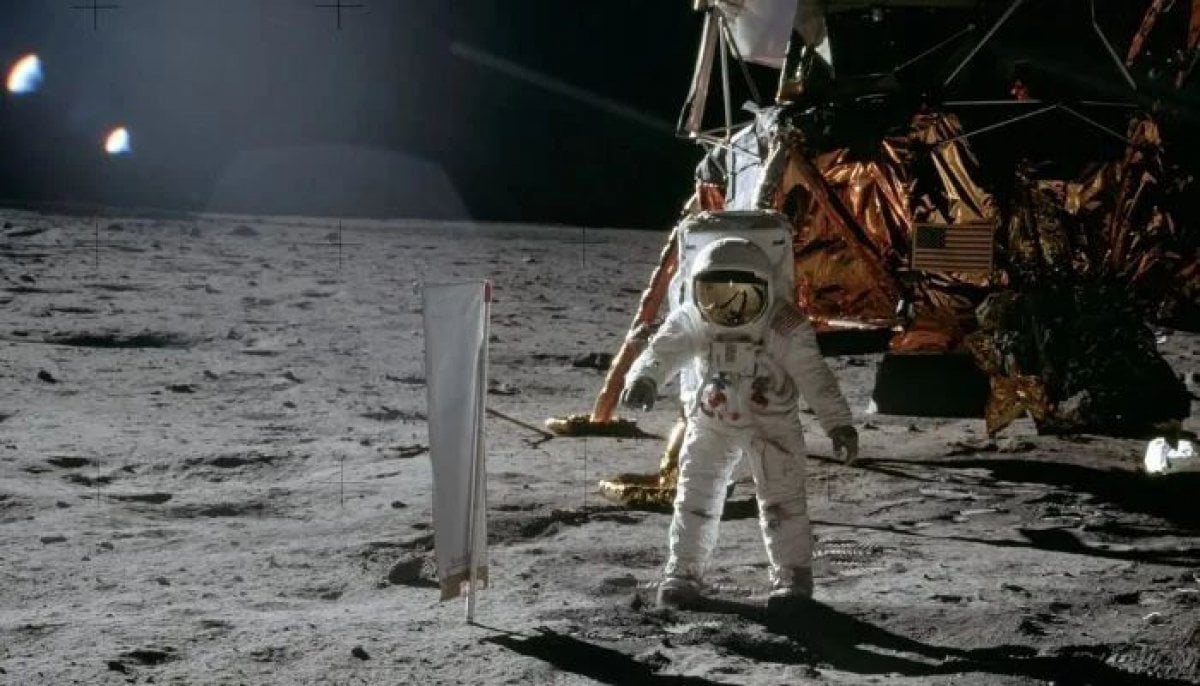
NASA targets March 6 for launch of crewed mission around moon following successful rocket fueling test
The Artemis II mission will see four astronauts embark on a 10-day journey around the far side of the Moon and back to Earth, paving the way for a future lunar landing
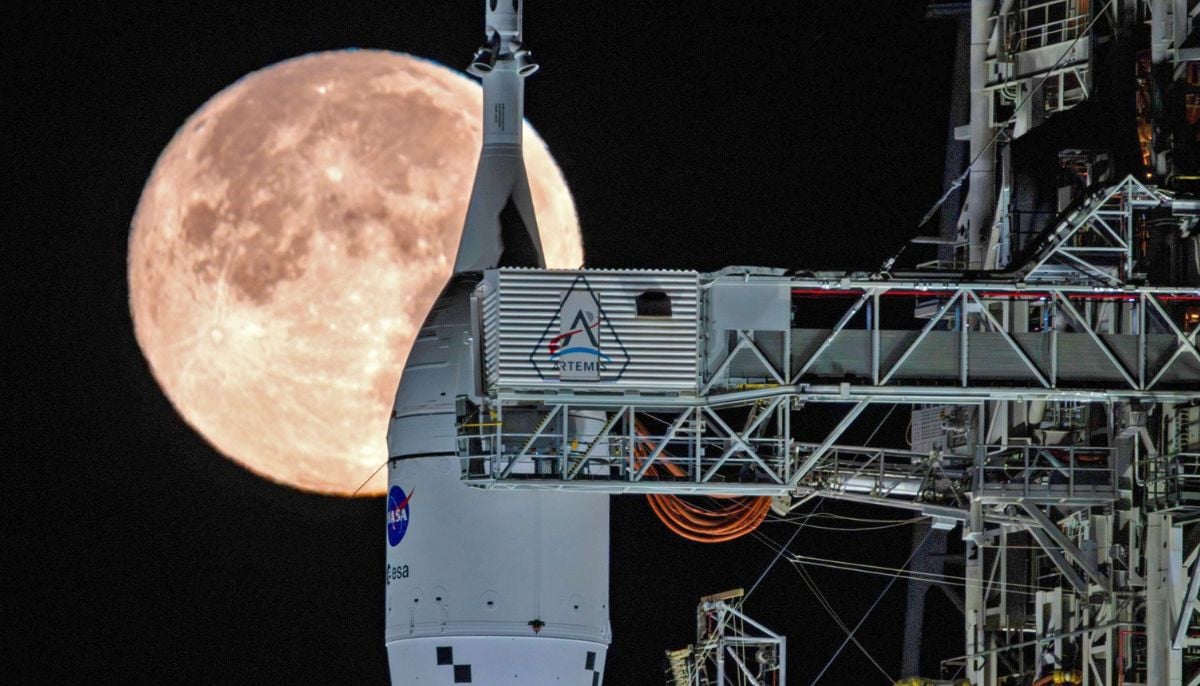
NASA officially announced that March 6 is the target date for the historic Artemis II mission, marking a major milestone in the plan to launch four astronauts on a voyage around the Moon after resolving rocket-fueling issues in a second substantial rehearsal this week.
While preparations could still push the launch date back, the US space agency on Thursday capped a nearly 50-hour rehearsal of the Artemis II launch countdown fueling the rocket with some 730,000 gallons of propellant without the fugitive hydrogen emissions that hobbled last month’s initial rehearsal
“I felt like last night was a big step in us earning our right to fly. So, I felt really good, very proud of the team.” said NASA launch director Charlie Blackwell-Thompson.
Artemis program managers believe that the Wet Dress Rehearsal was a comprehensive simulation of the Space Launch System’s launch-day countdown, which went smoothly. While work continues, the timeline could still further into NASA’s March launch window. The space agency confirmed it successfully fueled the rocket and that the launch will proceed following a flight readiness review.
The launch will mark the first time in 54 years that humans will travel beyond the Earth’s orbit toward the Moon. The last such journey occurred during the Apollo 17 mission in 1972.


-
 New study explains 364-day Qumran calendar puzzle
 -
 Why does time feel faster as you age? Science explains
 -
 Scientists name newly discovered snake after Guns N' Roses' Slash
 -
 SpaceX secures three new NASA crew flights: What to know
 -
 Sovereign AI fund in talks to back Political Sciences: What to know
 -
 What recent discovered Moon Crater Means for Future Astronauts
 -
 Scientists discover new wild cat species in Bolivia for the first time in a century
 -
 SpaceX turns to failed startups for AI training: Here’s why