Scientists stunned as shark appears for first time in Antarctic Southern Ocean waters
The shark was at a depth of 490 meters (1,608 feet), where the water temperature was a near-freezing 1.27 °C

Researchers have made a surprising discovery: an ungainly barrel-shaped sleeper shark was filmed cruising languidly over a barren seabed, far deeper for than sunlight can reach. According to experts, sharks were not thought to exist in these frigid waters of Antarctic waters until this specimen was drafted into the spotlight of a deep-sea camera briefly stealing the show.
In this connection, Jamieson said: “We went down there not expecting to see sharks because there's a general rule of thumb that you don't get sharks in Antarctica.”
Climate changes and warming oceans could be the primary factors driving sharks into the cold waters of the Southern Hemisphere. Historically, data on range changes near Antarctica has been limited due to the region’s extreme remoteness.
According to experts' observations, the sleeper shark population in the Southern Ocean is difficult to detect. This specific shark was recorded at a depth of around 500 meters along a sloping seabed. It likely remained at that depth to stay within the warmest layer of water, where different thermal currents pile atop one another.
The Antarctic Ocean is heavily layered to a depth of around 1,000 meters (3,280 feet) resulting in conditions like colder dense water below not immediately mixing with fresh water running off melting ice.
Research is limited because cameras were only positioned at that specific depth during the Southern Hemisphere's summer months.


-
 New study explains 364-day Qumran calendar puzzle
 -
 Why does time feel faster as you age? Science explains
 -
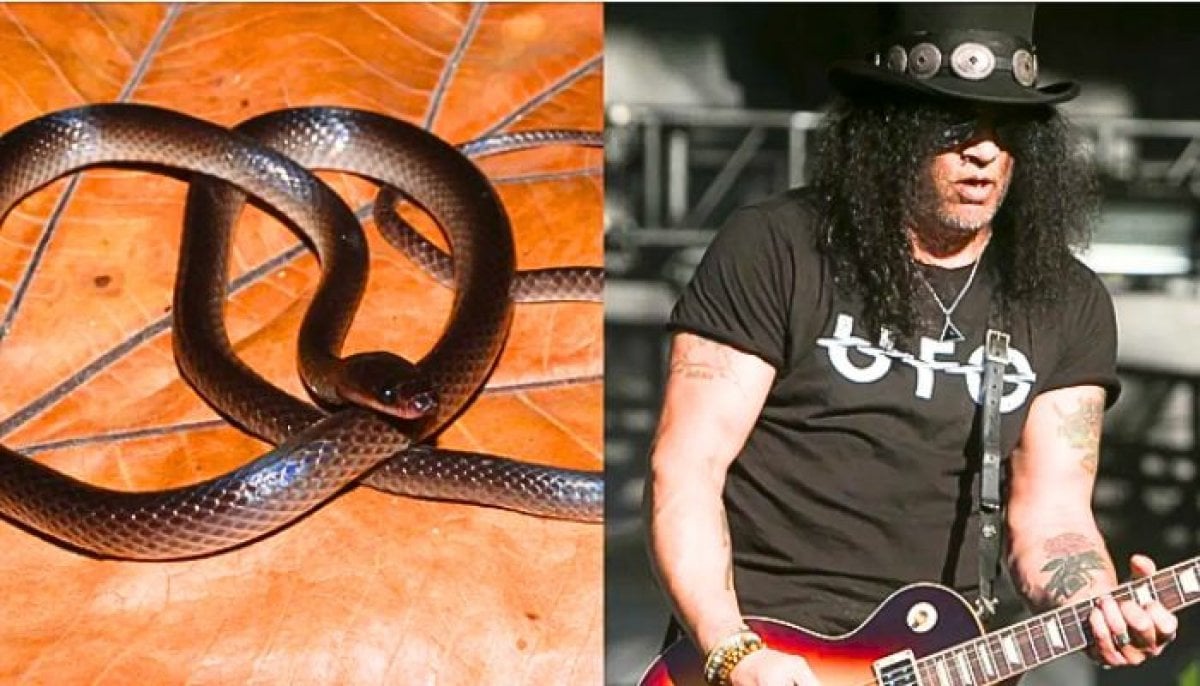 Scientists name newly discovered snake after Guns N' Roses' Slash
 -
 SpaceX secures three new NASA crew flights: What to know
 -
 Sovereign AI fund in talks to back Political Sciences: What to know
 -
 What recent discovered Moon Crater Means for Future Astronauts
 -
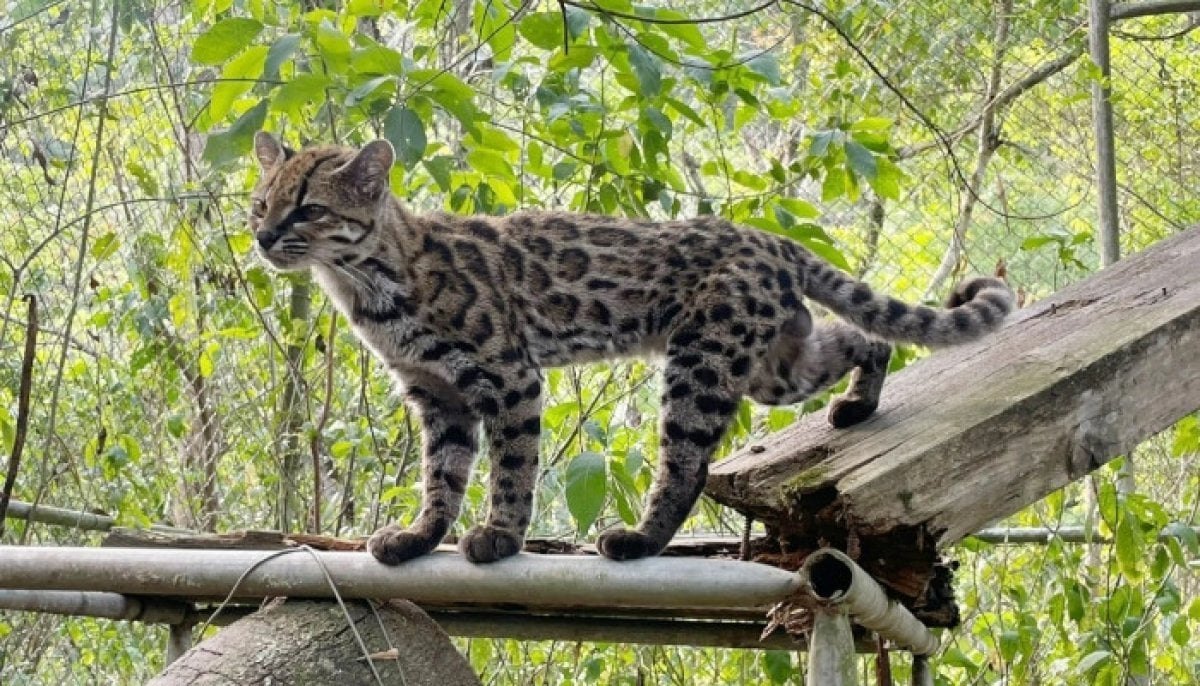 Scientists discover new wild cat species in Bolivia for the first time in a century
 -
 SpaceX turns to failed startups for AI training: Here’s why