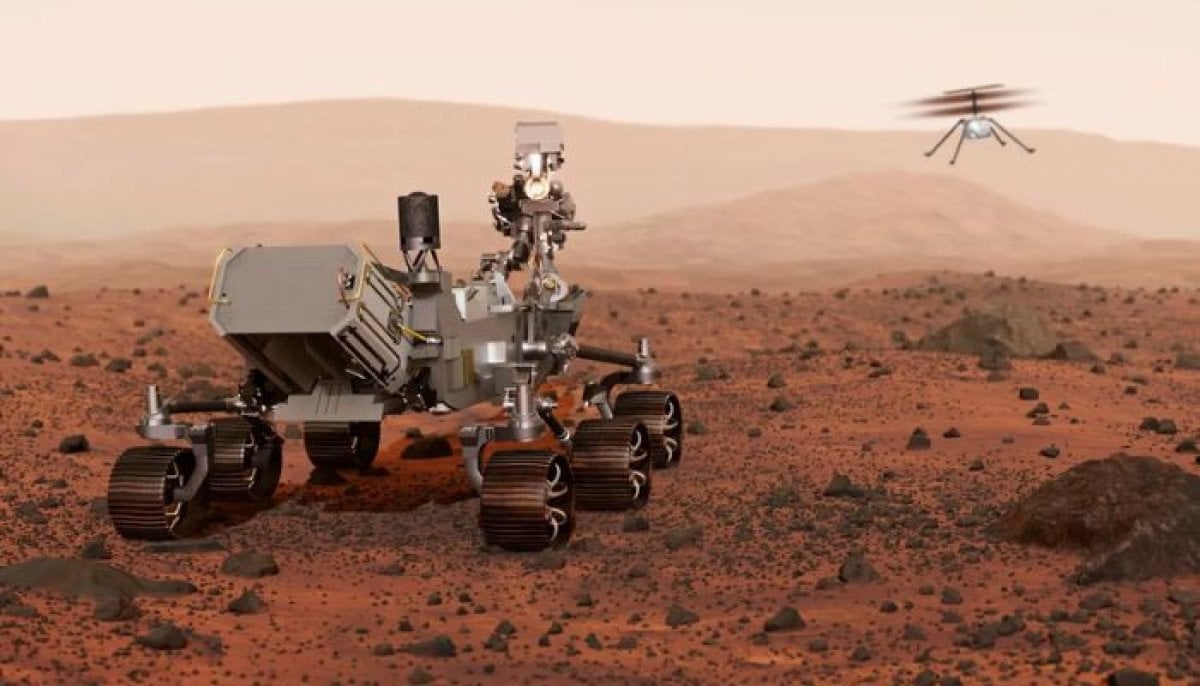
New study suggests universe can end in ‘Big Crunch’ in 20bn years
Researchers say dark energy may weaken over time, possibly reversing cosmic expansion

A new astrophysics study predicts the universe could eventually collapse in a “Big Crunch” about 20 billion years from now. The research, led by Cornell University physicist Henry Tye, analyses data from major dark energy surveys and suggests that dark energy may not be constant.
The team, including Cornell University physicist Henry Tye and co-authors Hoang Luu and Yu-Cheng Qiu, developed a model using data from the Dark Energy Survey and the Dark Energy Spectroscopic Instrument. Their theory introduces a very light particle known as an axion, along with a negative cosmological constant.
The new framework permits dark energy to decrease over time, while the standard model of cosmology treats dark energy as an unchanging force. The calculations predict that the universe will experience a period of expansion that will last for approximately 11 billion years before the process stops and begins to reverse. The universe will reach its final collapse, or Big Crunch, approximately 33 billion years after the Big Bang event.
The study uses current dark energy research data, yet scientists emphasise the need for careful interpretation of the findings. The researchers point out they have major doubts about the accuracy of their future predictions. The concept opposes the enduring theory that the universe will continue expanding because of unchanging dark energy.
The upcoming missions of the European Space Agency's Euclid mission, NASA's SPHEREx project, and the Vera C. Rubin Observatory will provide improved measurements of dark energy during the next few years.


-
 Why foreign investors are buying Canadian government bonds in record numbers
 -
 Why Kylian Mbappe’s girlfriend Ester Exposito hasn't been seen supporting him at the World Cup
 -
 Police lay charges against 11 teens following Nooran Rezayi shooting investigation
 -
 Kawhi Leonard set for stunning Raptors return in blockbuster NBA trade
-
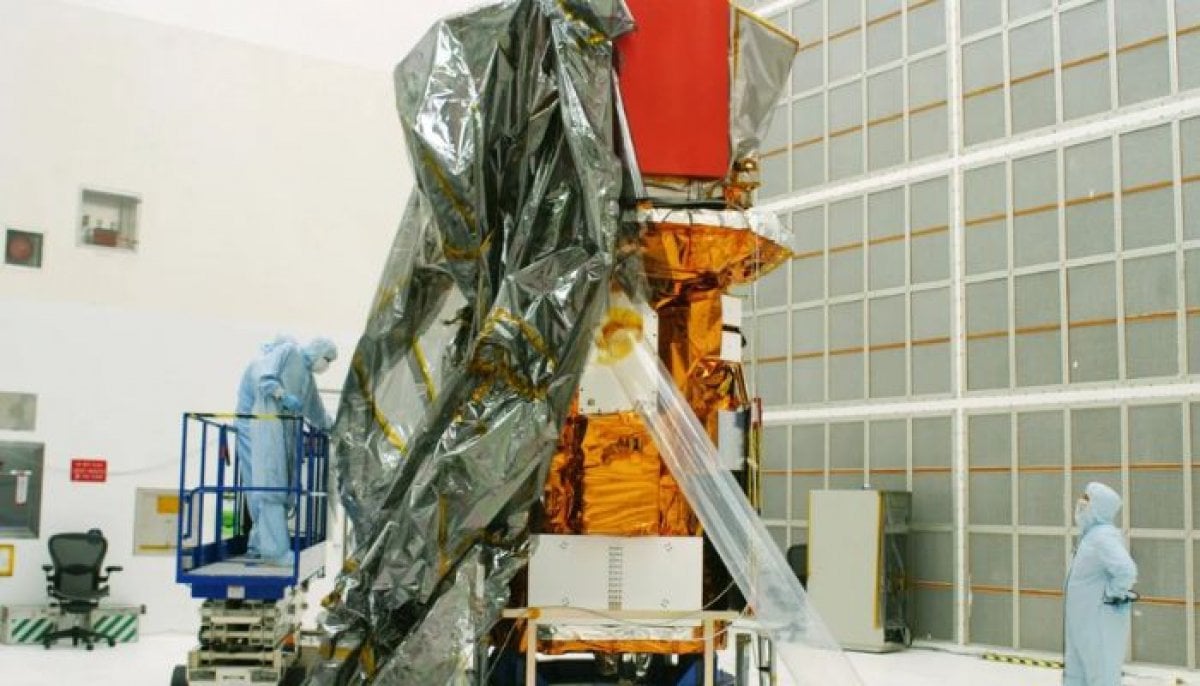 Can NASA save Swift Observatory telescope? Inside space agency's bold rescue mission
 -
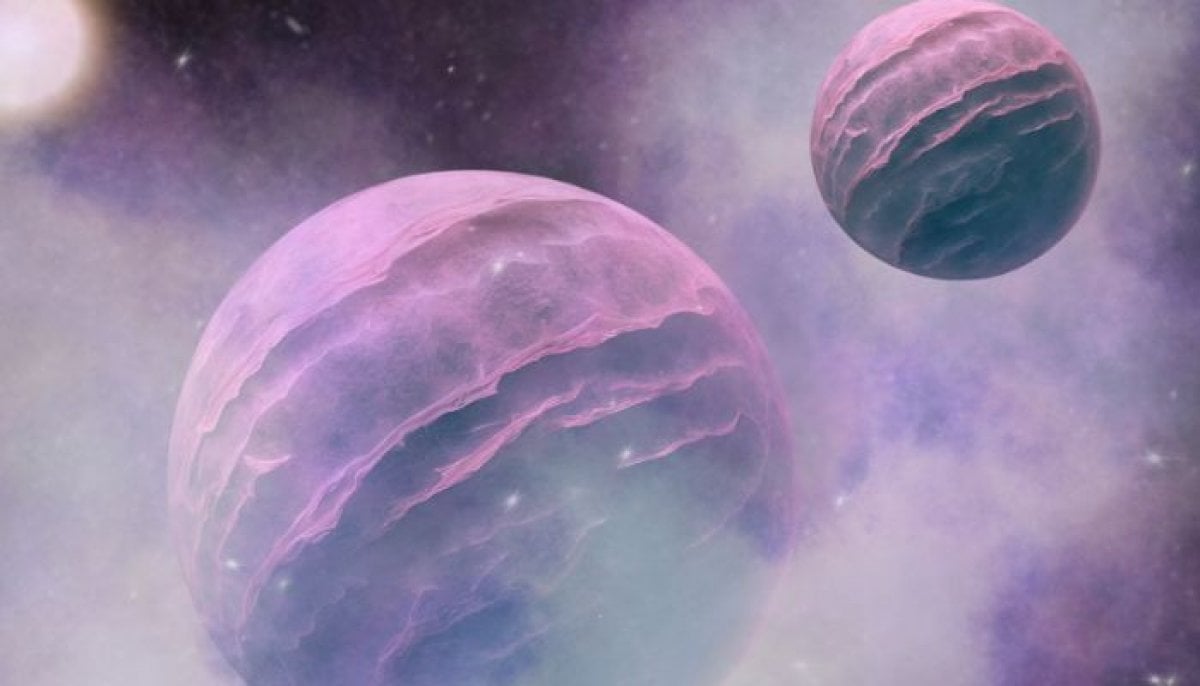 Scientists found 'super-puff' planets 1,110 light-years away
 -
 Scientists find ancient microbial life in places it shouldn't exist
 -
 Why Marijuana is suddenly sending thousands of dogs to hospitals in US?
 -
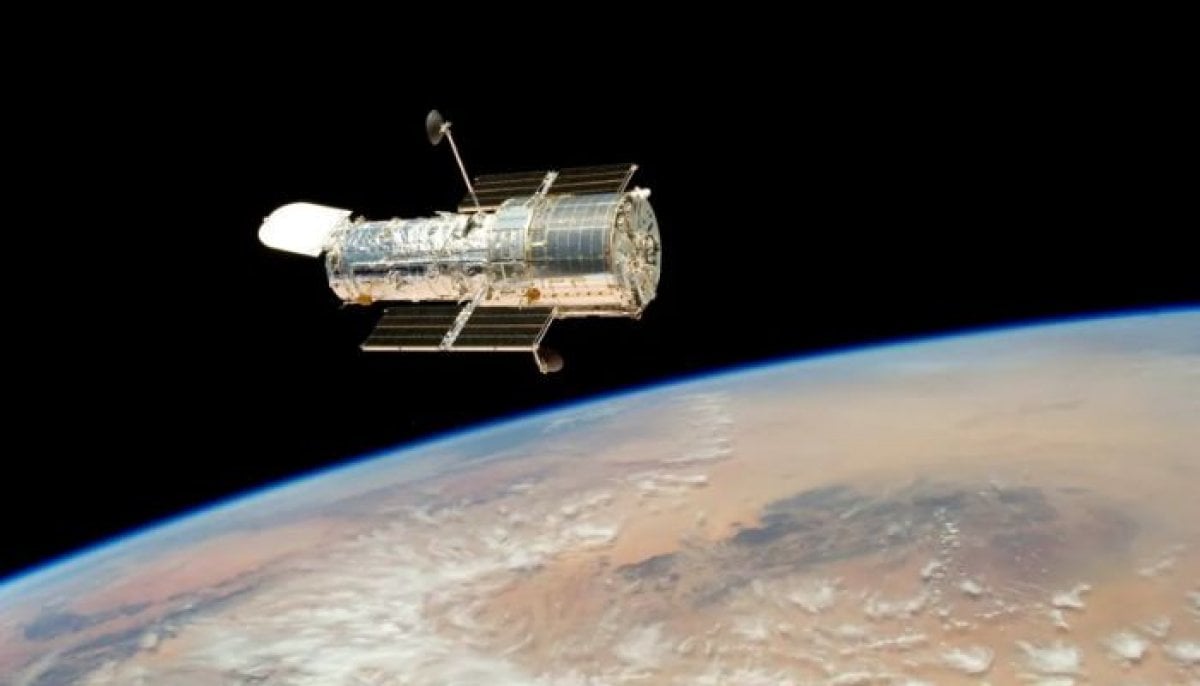 36 years on, Hubble shows how stars actually change over time
 -
 Hidden magma beneath Mars? Scientists' 'unexpected' discovery raises new questions about alien life
 -
 Rare 3,200-year-old coral blue hole discovered in South China Sea
 -
 What happens at black hole’s event horizon? Scientists find the first-ever clue
-
 Scientists discover evidence of fires used by humans 1.8 million years ago
 -
Did NASA just uncover evidence of ancient life on Mars? Key discoveries explained
-
Four powerful earthquakes strike three continents within hours: Scientific link or coincidence?
-
Mysterious interstellar comet passing our solar system may be 12 billion years old, scientists say