Hidden Venus: New data discovers massive underground Lava Tube
The scale of the tunnel is estimated to be nearly 0.6 miles wide, according to geological models

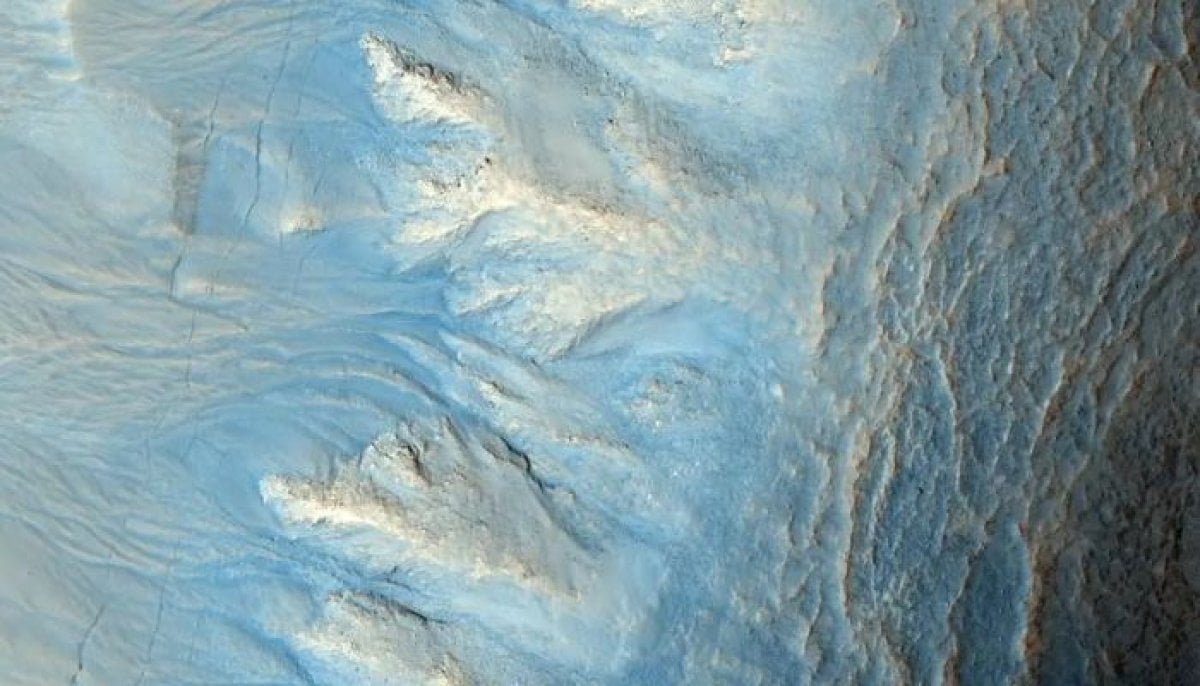
Scientists from the University of Trento have introduced the first direct evidence of massive tunnels beneath the surface of Venus. This study confirms long-standing theories regarding the rocky plant’s volcanic history. The scale reveals a massive tunnel nearly 0.6 miles (1km) wide, with a roof thickness of approximately 490 feet and an internal height of at least 375 meters high.
The discovery is crucial, echoing co-author Lorenzo Bruzzone’s remarks on the planet’s history. While Venus is known for its extreme density and hostile atmosphere, these factors had previously prevented the direct observation of such subsurface features.
It has been observed that lava tubes are generated when low-viscosity lava flows beneath a hardened crust, ultimately draining away and leaving behind a hollow tunnel.
How did the Venus discovery set the stage for future exploration?
The existence of such a large tube suggests a vast, hidden network beneath the crust of Venus. These discoveries pave the way for future exploration particularly for upcoming missions such as NASA’s VERITAS and European Space Agency’s Envision, scheduled for launch in 2031. These systems will be capable of delving into these ancient volcanic underworlds to map the boundaries of Venus's hidden tunnels.


-
 Earth’s close encounter with giant asteroid Apophis is less than 3 years away
 -
 Chinese astronomers discover real-life three-body system unlike Liu Cixin’s fiction
 -
 Hunter’s Moon 2026: When and how to watch October’s full moon
 -
 Elon Musk’s Mars colonization dream faces reality check from Nobel laureate
 -
 NASA competition model 2.0 cuts mission selection by 45%
 -
 A ‘neglected’ neutrino may hold the key to why the Universe exists
 -
 Can cancer drugs be made in space? Here’s what the new mission aims to find out
 -
 SpaceX Falcon 9 successfully launches Bandwagon-5 mission with 32 payloads