New study reveals biodegradable chip aims to reduce e-waste and air pollution
A high-performance and biodegradable gas sensor has been successfully developed
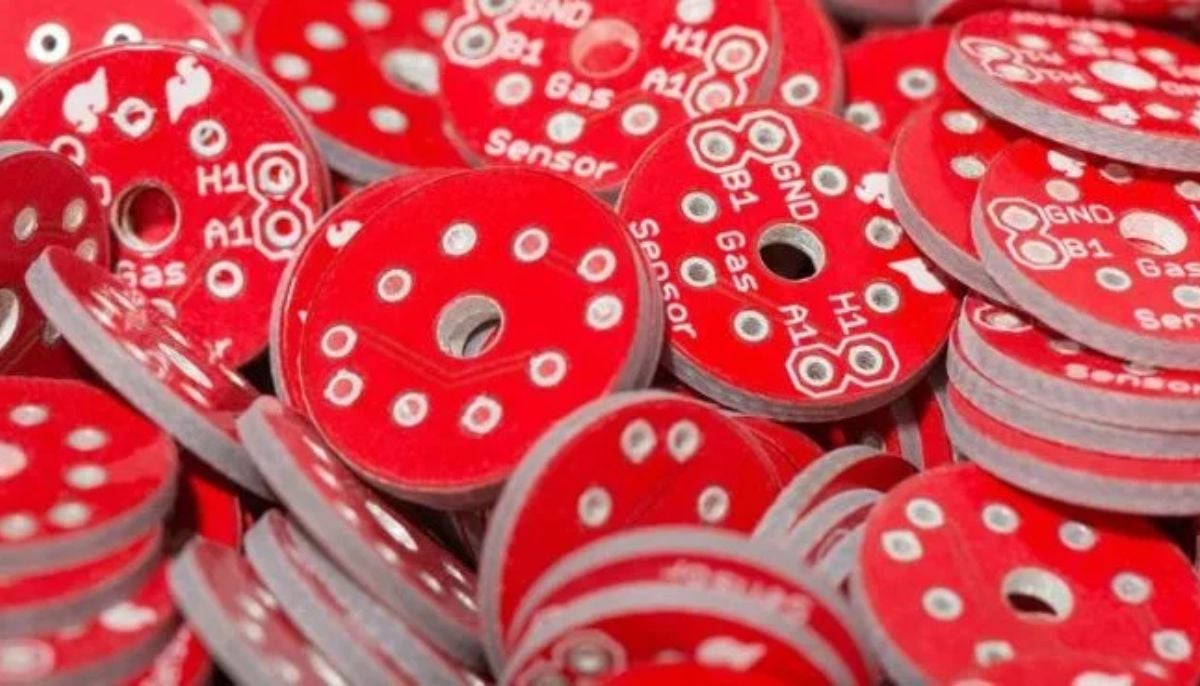
Researchers at Incheon National University have unveiled a ground-breaking study aimed at combating electronic waste and air pollution. The prime objective of these breakthroughs is to address two key issues: electronic waste reduction and improved air quality monitoring.
The technology utilizes Organic Field-Effect Transistors (OFETs), which are ideal for portable gas detection and ease of manufacturing. Specifically, these sensors are designed to detect pollutants like nitrogen dioxide-a harmful byproduct of burning fossil fuels linked to respiratory diseases such as asthma and bronchitis.
In order to achieve the successful desired results of study, the Incheon team combined two types of polymers: P3HT, an organic semiconductor and PBS, a biodegradable material. The researchers prepare separate solutions of these polymers in chloroform before blending them to create the final sensing layer.
How are polymer solutions deployed onto silicon surfaces to create sensors?
The project involved applying the polymer solutions to silicon surfaces to create the sensors. The solvent choice significantly influenced the resulting organization of the polymers. Sensors made with a combination of chloroform and dichlorobenzene were more effective and uniform, even when integrating a high concentration of PBS.
In this connection, Professor Park said, “Our eco-friendly sensors combine sustainability with high performance. This helps reduce electronic waste, especially in natural environments like oceans.”
Nevertheless, the biodegradable sensors are highly effective for future environmental monitoring, underscoring their potential to safeguard both planetary health and public welfare.


-
 Elon Musk’s Mars colonization dream faces reality check from Nobel laureate
 -
 NASA competition model 2.0 cuts mission selection by 45%
 -
 A ‘neglected’ neutrino may hold the key to why the Universe exists
 -
 Can cancer drugs be made in space? Here’s what the new mission aims to find out
 -
 SpaceX Falcon 9 successfully launches Bandwagon-5 mission with 32 payloads
 -
 Europe launched 8 orbital rockets last year, can it rival Starlink?
 -
 Japan launches world’s first mission to bring sample back from phobos
 -
 Orionid meteor shower 2026: Peak date, viewing tips and what to expect