NASA reschedules Artemis II rehearsal due to Florida arctic outbreak
NASA shifted the Artemis II timeline due to an rare arctic outbreak and strong winds in Florida
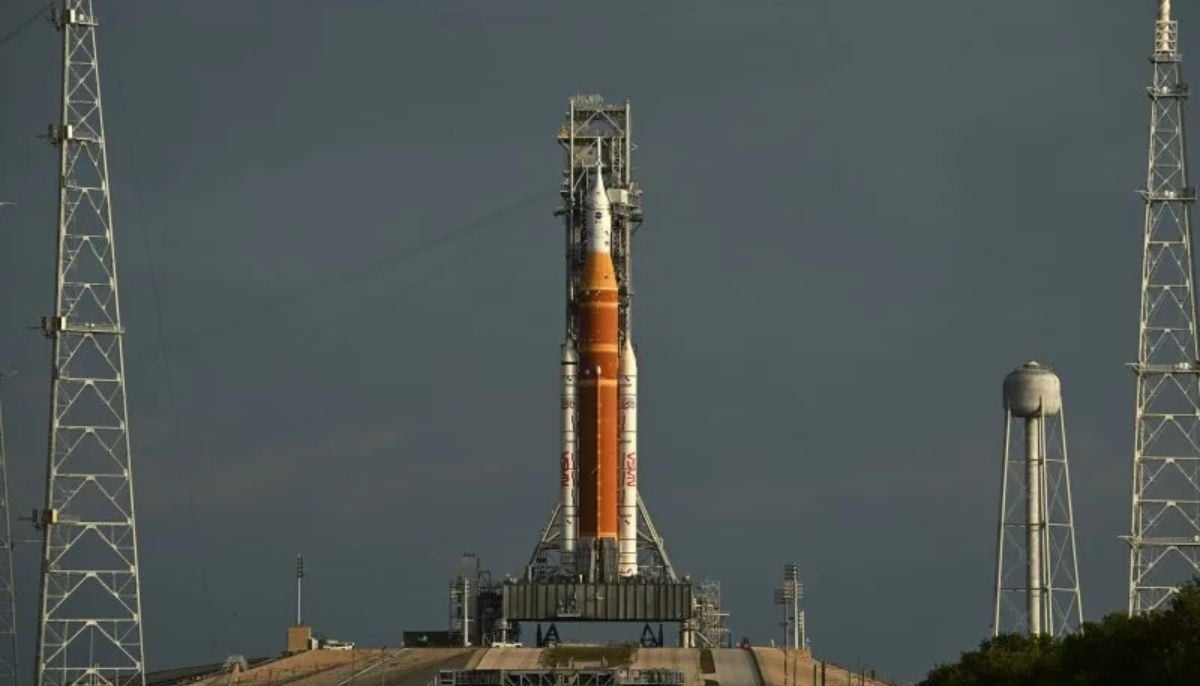
NASA is finalizing preparations for the Artemis II wet dress rehearsal at Kennedy Space Center, following delays caused by a rare arctic outbreak and strong winds in Florida. These adjustments mean the first potential launch opportunity is now scheduled for no earlier than Sunday, February 8.
Engineering teams are closely monitoring as the cold front moves across the region. With preparations at the launch pad complete, NASA is carefully managing the best timeline to ensure the rehearsal aligns with improving weather conditions for ultimate success.
NASA will review the launch date following the wet dress rehearsal. Due to the updated timeline, Feb.6 and Feb.7, are no longer feasible alternatives. The simulated countdown during the wet dress rehearsal is scheduled to begin at 9 p.m. EST on Feb.2, following an assessment of weather conditions ahead of the test.
In light of the current cold weather, engineers have kept Orion powered and have calibrated the heaters for lower temperatures. The systems are maintaining stable environmental conditions for the spacecraft and rocket, with the booster skirts specifically configured for the cold.
Nevertheless, the freezing temperatures and high winds over the weekend were too sensitive for sensitive ground equipment. The shifting of the test will ensure optimal conditions for the first crewed SLS fueling.


-
 Can cancer drugs be made in space? Here’s what the new mission aims to find out
 -
 SpaceX Falcon 9 successfully launches Bandwagon-5 mission with 32 payloads
 -
 Europe launched 8 orbital rockets last year, can it rival Starlink?
 -
 Japan launches world’s first mission to bring sample back from phobos
 -
 Orionid meteor shower 2026: Peak date, viewing tips and what to expect
 -
 Why Mars looks blue in NASA’s unedited curiosity panorama?
 -
 Blue Origin upgrades new Glenn rocket launch infrastructure to take on SpaceX
 -
 NASA’s next Mars mission targets Phobos and Deimos, not Red Planet