Asteroid 2024 YR4: Will a Moon collision send fireballs to Earth?
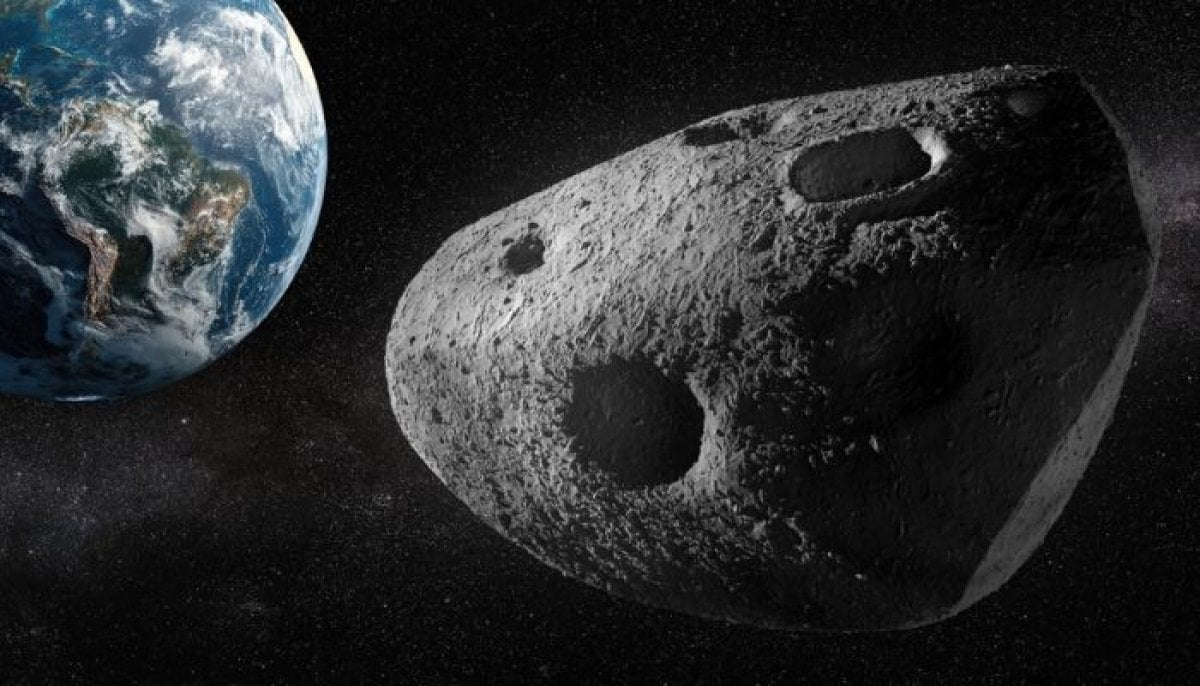
Asteroid 2024 YR4 no longer poses a threat to Earth but it has the potential to collide with the Moon in 2032
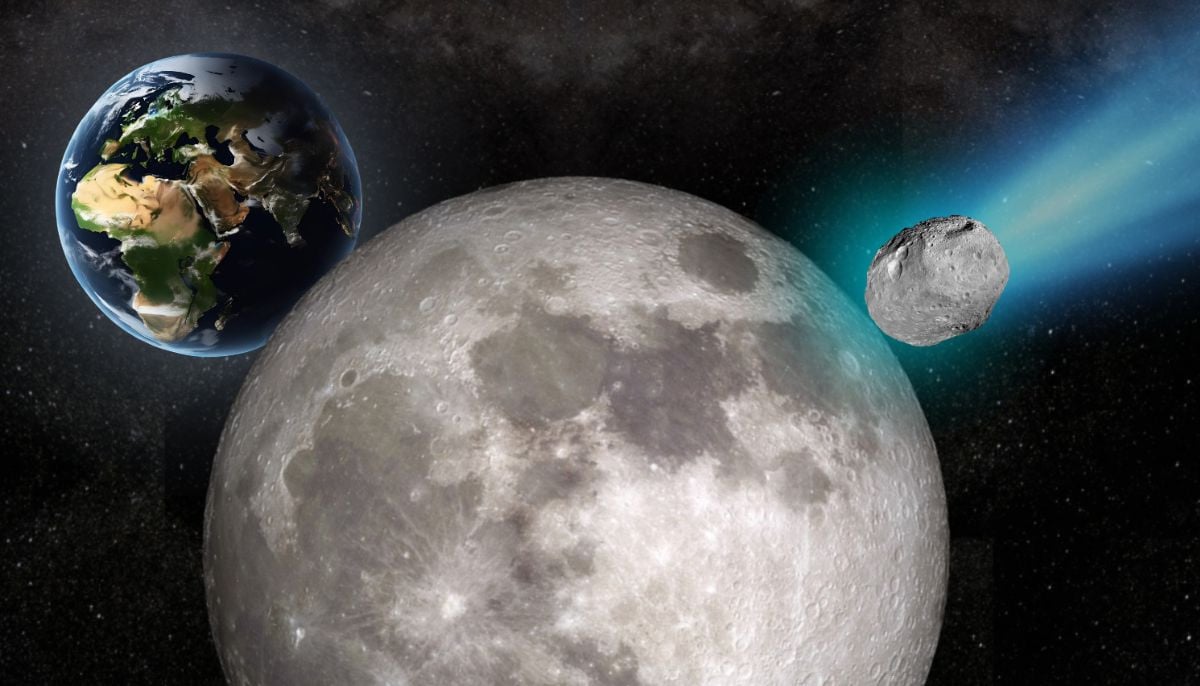
Astronomers have confirmed that asteroid 2024 YR4 no longer poses a risk to Earth; however, there is a 4.3% chance it will strike the Moon on December 22, 2032.
Although 2024 YR4 previously noted a threat to our planet, scientists are now focused on the lunar trajectory, warning that an impact could be “the most energetic lunar impact ever recorded in human history.”
In line with a new study “Observation Timelines for the Potential Lunar Impact of Asteroid 2024 YR4”, such as collisions would create a massive crater on the lunar surface approximately 1 km in diameter. The event could also cause an “unusual illumination phenomenon, generating a bright flash visible from Earth for hours after the impact.
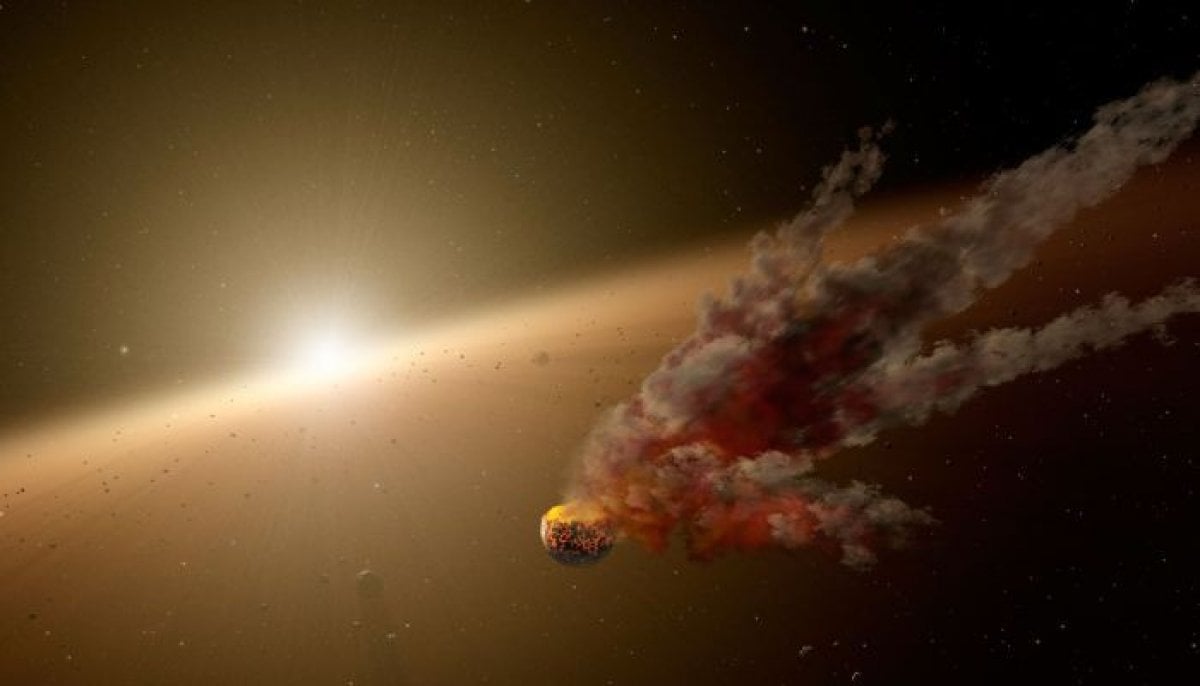
First spotted in December 2024, Asteroid 2024 YR4 is speeding through space at over 38,000 miles per hour. This space rock gained prominence as the first asteroid to necessitate a “coordinated international planetary defense response” following mounting concerns over a potential Earth impact. While initial assessments are now positive, a recent study states that the current trajectory presents a “rare and valuable scientific opportunity.”
Scientists believe the asteroid consists of silicate rock that originated from a group of asteroids in the central Main Belt between Mars and Jupiter. Although the threat to our planet has been downgraded, it had previously placed the probability of an Earth impact at 3.1% for the year 2032.


-
 'Star Wars: The Mandalorian and Grogu' gets home release date with exclusive bonus content
 -
 Tom Segura and Christina P: What happened between the comedians before divorce?
 -
 Khloé Kardashian offers glimpse into adorable family moments during summer getaway
 -
 Tom Holland attempted to befriend Erling Haaland: Here's what happened next
-
 SpaceX gets green light for Starship’s next test flight following mishap probe
 -
 Tiny 2-inch space debris discovered in key satellite orbit, scientists warn
 -
 Could future moon landings cost humanity Earth's greatest secret? Scientists think so
 -
 What happens when a whale dies? Scientists explains surprising process
 -
 China's Long March-10B rocket recovery shakes up space race
 -
 NASA is hiring volunteers for year-long Mars mission simulation: Here's how to apply
 -
 Mount Etna may have different origin as study reveal new facts about its formation
 -
 What did NASA capture? Chief says mysterious UFO images remain unexplained