Climate change paradox: Polar bears are getting fatter as Arctic ice disappears
By 2100 the polar bears could face local extinctions in some parts of the Arctic
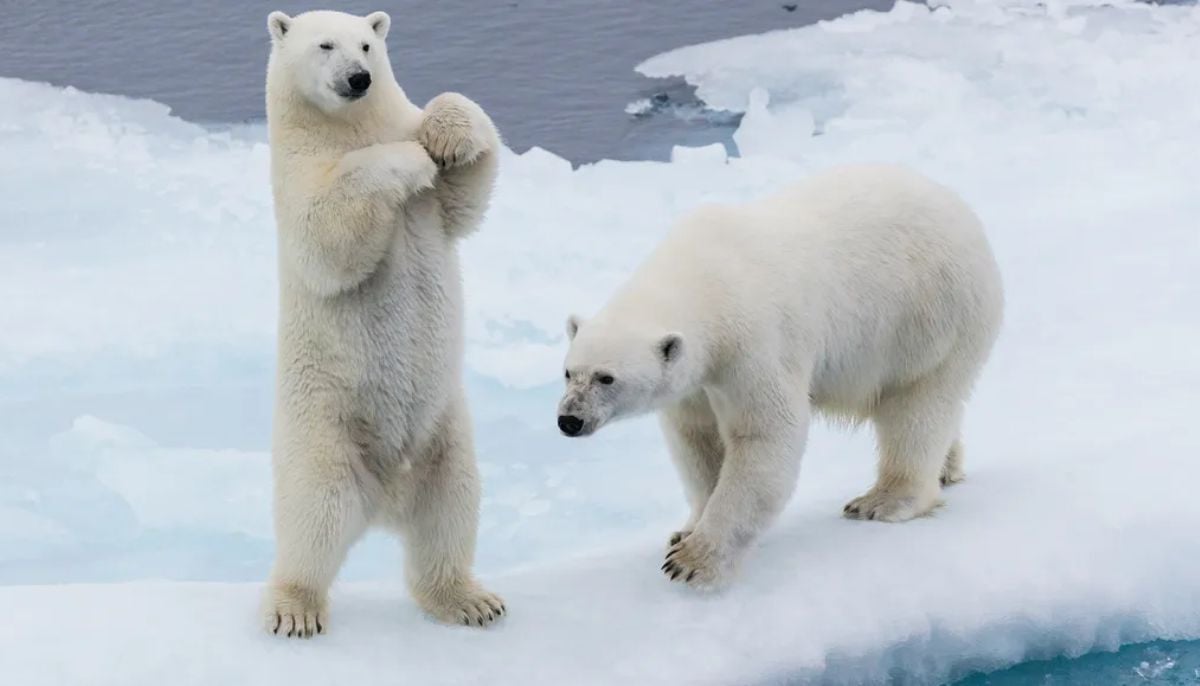
Polar bears need ice for their long term survival as less or shrinking ice forces these creatures to travel long distances in search of food at the expense of their body fat reserves.
Hence, the rapidly disappearing ice phenomenon pushes polar bears to high risk of starvation.
According to 2020 study’s prediction, by 2100 the polar bears could face local extinctions in some parts of the Arctic, if the world fails to curtail GHG emissions.
To researchers’ surprise, polar bear populations living around the Norwegian island of Svalbard are defying the effects of climate change.
These Svalbard populations are gaining weight, becoming fatter as the Arctic sea ice is melting fast, as reported by the study published in the journal Scientific Reports.
The body conditions of Svalbard polar bears have improved despite the disappearance of ice increased by 100 over a 27-year period.
As researcher Jon Ars and colleagues have investigated the potential cause of stable body weight coupled with increased fat reserves.
According to scientists’ findings, unlike bears in other regions, Svalbard bears successfully hunt on land, preying on reindeer, which have seen a population boom recently.
These animals provide a food supply during summer when bears are fasting.
“These polar bears have alternatives that they do not always have in other areas,” Aars said.
Another reason behind their improving body weight could be easier seal hunting. Melting ice may be forcing ringed seals into smaller and dense patches of remaining ice, putting the seals close proximity to bears.
Alice Godden, senior research associate at the University of East Anglia in England, said, “Whatever the reason, this news unfortunately isn’t as positive as it sounds. “I think it's a small window of hope. Food availability is going to really be the driver whether they survive or not.”
According to Godden, similar to bears in Greenland, rapid change in DNA could also explain why Svalbard bears are thriving.
Given the growing threats of climate change, the Arctic ecosystem will eventually pass a tipping point with irreversible changes.
“It will be harder to be a polar bear in Svalbard in the future,” said Aars.


-
 Apple unveils Klarna-powered ‘Apple Upgrade’ plan for iPhone, Mac and iPad in US
 -
 Apple dethrones Nvidia as world's most valuable company: Will it last?
 -
 Who will control Strait of Hormuz? Oman proposes regional mechanism to Iran
 -
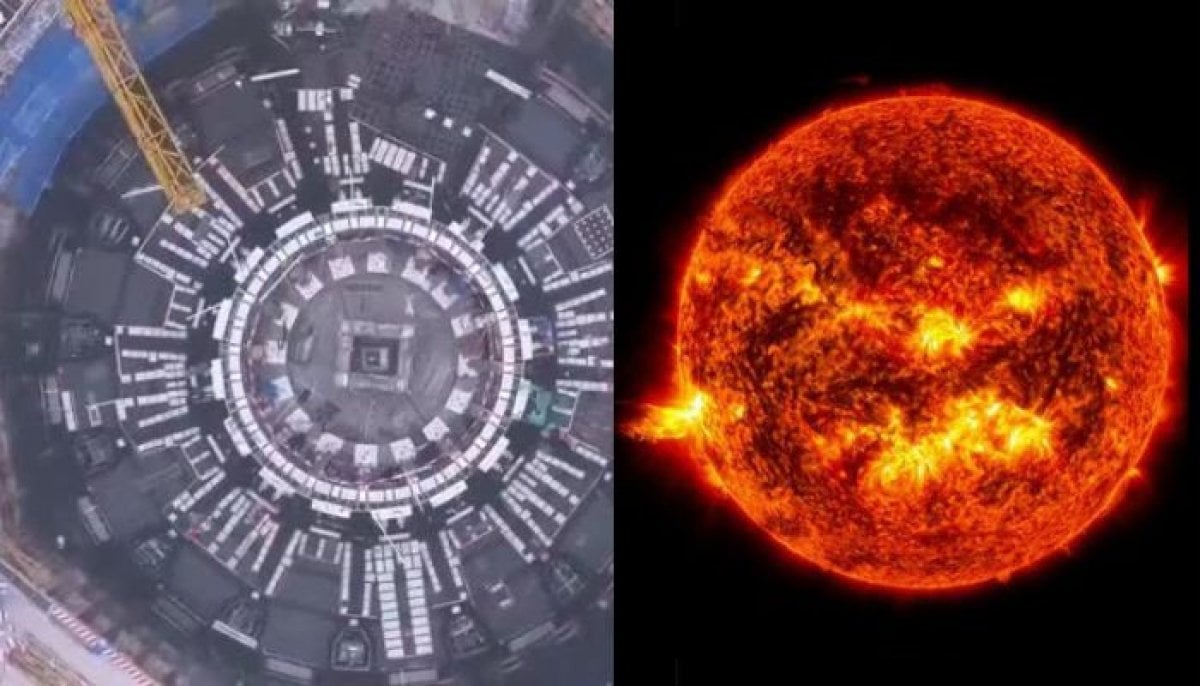 China moves closer to build ‘Artificial Sun’ after testing 582-ton fusion magnet
-
China moves closer to build ‘Artificial Sun’ after testing 582-ton fusion magnet
-
 FCC approvals can transform Earth's night sky, experts warn
 -
 Double meteor shower peaks this week: Best time and tips to see celestial event
 -
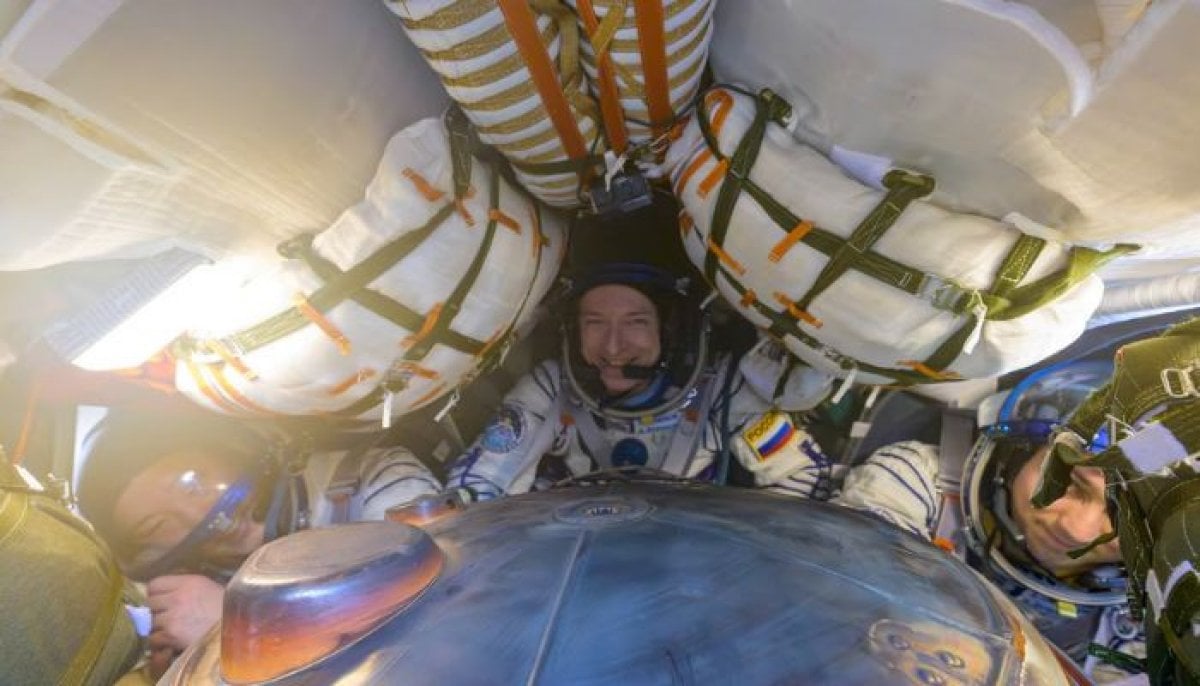 US-Russian space crew returns to Earth after eight-month mission on the International Space station
 -
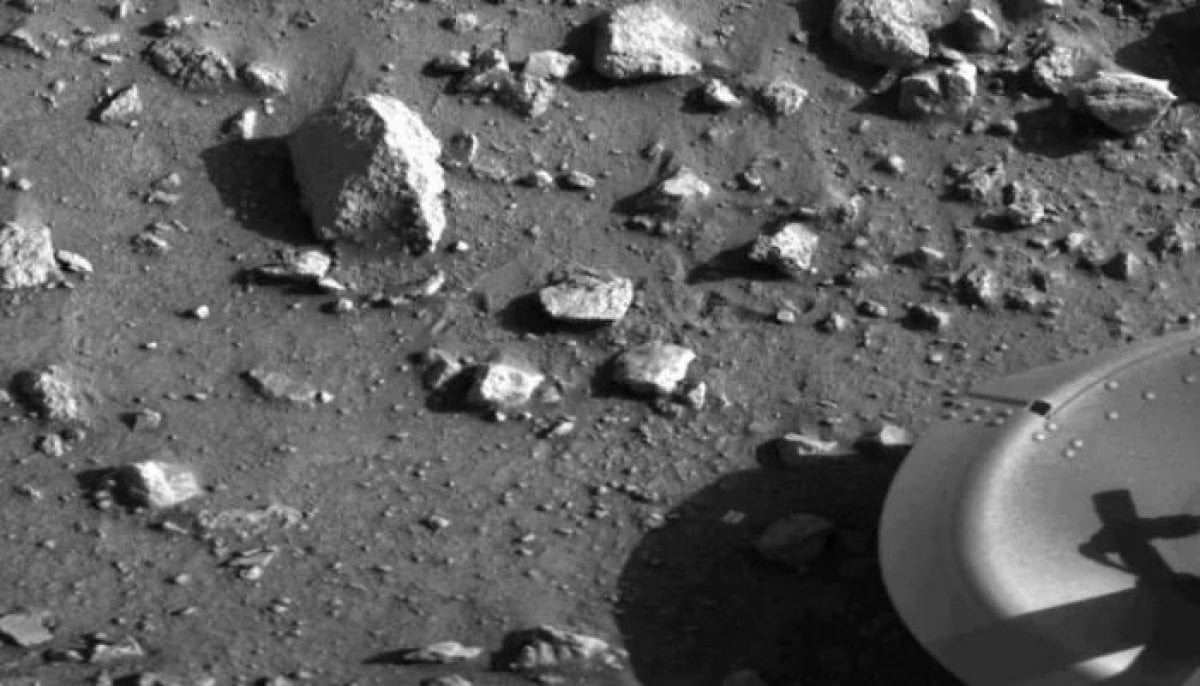 Viking 1 mars landing: 50 years since first photos
 -
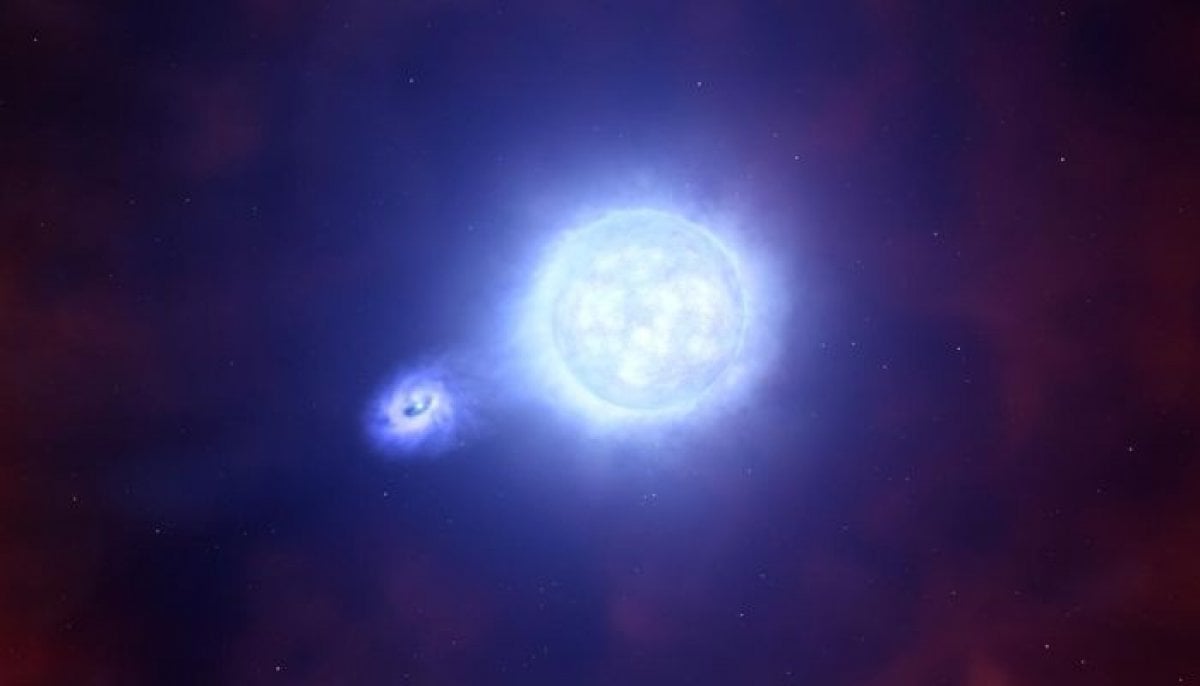 Four hidden dead stars found in Earth's backyard
 -
 What happened during SpaceX’s 13th Starship test? First upgraded Starlinks successfully deployed
 -
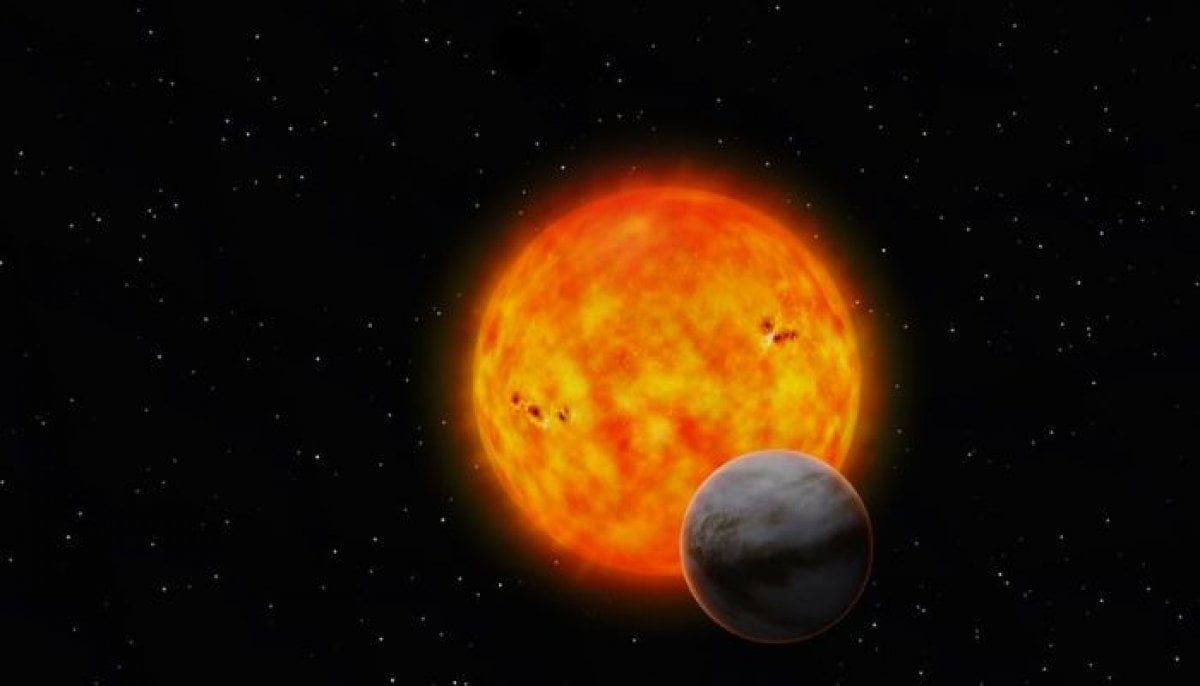 Astronomers may have found the first moon beyond our solar system