Snow Moon 2026: When and how to see February Full Moon rise
The moon will appear bright and full-on February 2

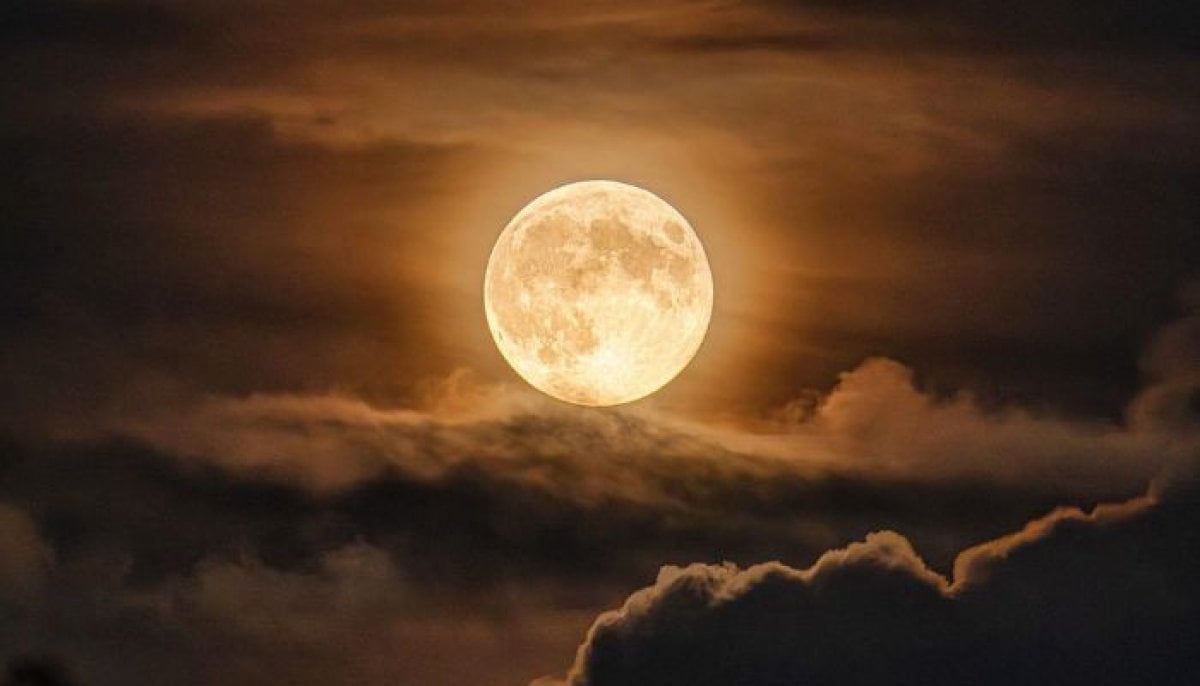
The February 2026 Snow Moon is the second full moon of the year as it reaches its official peak on Sunday, February 1, and as a winter full moon, it can be tracked particularly high across the sky offering a spectacular view.
A full moon always looks at its best when it appears above the eastern horizon during dusk. Stargazers can view the sight as its most dramatic when it rises shortly after sunset during “blue hour”. This intriguing view will be especially prominent across western America.
The new moon following the snow moon will bring an annular “ring of fire” solar eclipse. Stargazers can seize this opportunity on February 17, when 96% of the sun will be covered by the moon for up to 2 minutes and 20 seconds. The event will be visible from the remote regions of Antarctica.
February 2026: When to see the snow Moon
One day after the Full Wolf Supermoon, the near-full moon will occult Regulus for about an hour as seen from the eastern half of North America. In New York City, Regulus will disappear behind the bright limb of the near-full moon at 8:51 p.m. and re-emerge at 9:54 p.m. EST.
The next Full Moon: A Total Lunar Eclipse Blood Moon
The snow moon is the second of 13 full moons in 2026. Other lunar highlights this year include a Total Lunar Eclipse in March, a "blue moon” in May and Supermoons in both November and December.
It is called a blood moon because during a total lunar eclipse, Earth’s atmosphere filters sunlight and scatters blue light while casting a red moon red or coppery glow on the moon. It has been observed that nearly 29% of all lunar eclipses are total lunar eclipses. Earth primarily experiences two lunar eclipses per year.
The next full moon will arrive on March 3 as the year’s only total lunar “blood moon" will occur with a totality lasting 58 minutes. Skygazers can enjoy enchanting views from North America, Australia, New Zealand, East Asia and the Pacific. Additionally, it will be the last total lunar eclipse until 2029.


-
 Chinese astronomers discover real-life three-body system unlike Liu Cixin’s fiction
 -
 Hunter’s Moon 2026: When and how to watch October’s full moon
 -
 Elon Musk’s Mars colonization dream faces reality check from Nobel laureate
 -
 NASA competition model 2.0 cuts mission selection by 45%
 -
 A ‘neglected’ neutrino may hold the key to why the Universe exists
 -
 Can cancer drugs be made in space? Here’s what the new mission aims to find out
 -
 SpaceX Falcon 9 successfully launches Bandwagon-5 mission with 32 payloads
 -
 Europe launched 8 orbital rockets last year, can it rival Starlink?