China accelerates space tourism, deep space goals amid tech race with US
China is entering a new space race to challenge the US dominance by building a more commercially aggressive model
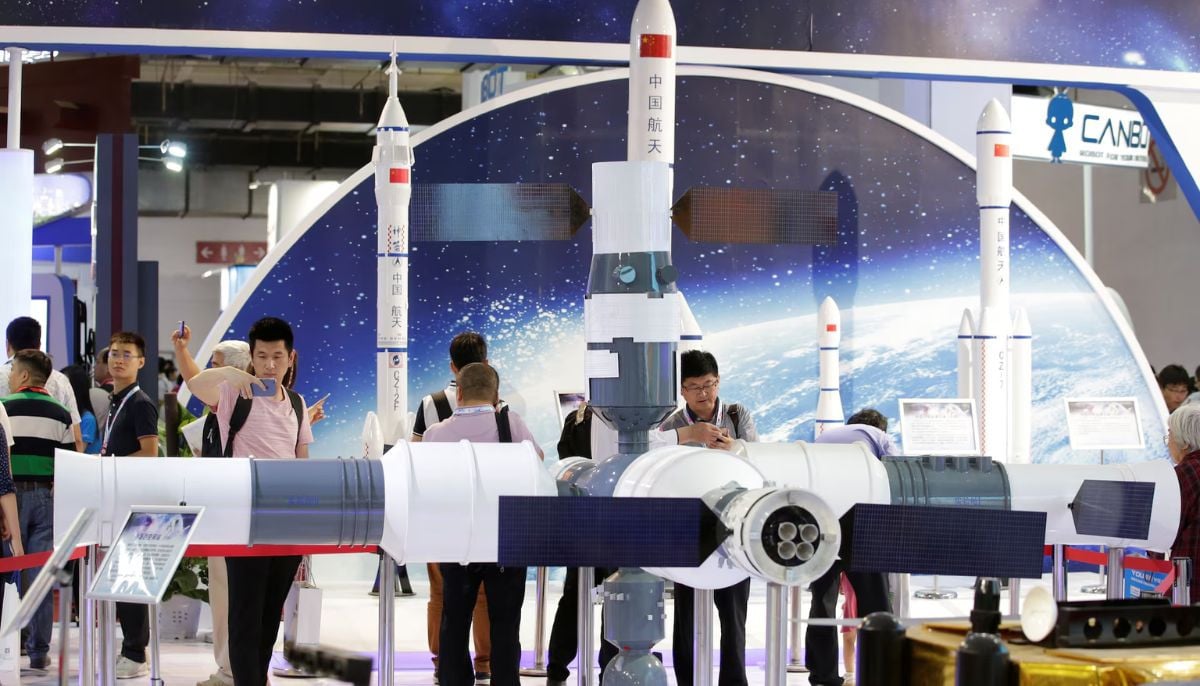
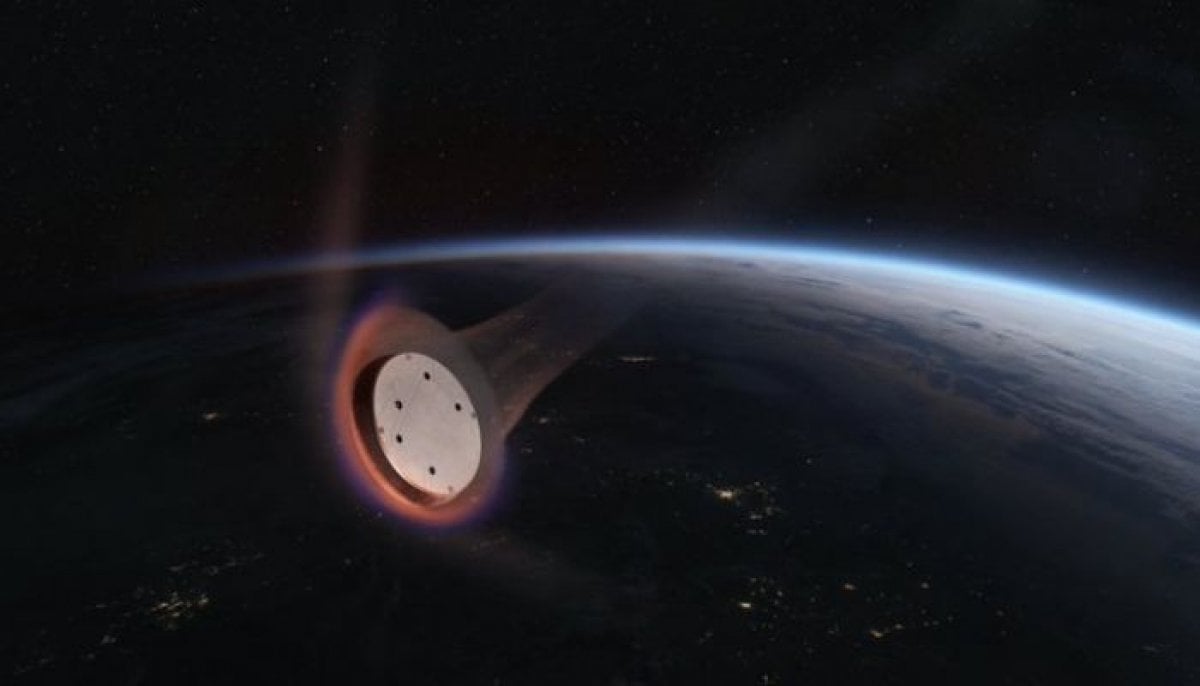
China has officially accelerated its timeline to develop space tourism over the next five years, marking a significant move to challenge US dominance in deep space exploration. The state-owned China Aerospace of Science and Technology Corporation (CASC) stated that it is working to operationalize suborbital space tourism and will gradually expand into orbital offerings.
The prime motive behind the space race between China and the US is to transform space exploration into a commercially viable industry similar to civil aviation, while simultaneously advancing military and strategic goals for space dominance.
CASC is seeking to transform China into a “world-leading space power” by 2045. According to official announcements, China achieved a record 93 launches in 2025, bolstered by the rapid growth of its commercial spaceflight startups.
China has frequently described SpaceX’s monopoly on LEO satellites as a national security risk. Consequently, it is working to launch its own satellite constellations, which it hopes will number in the tens of thousands over the coming decades.
Chinese entities filed documents with the International Telecommunications Union (ITU) laying out plans to put about 200,000 satellites in orbit over the next 14 years. Two-mega constellations account for the vast majority of this figure; a significant move aimed at strategically reversing orbital slots and frequencies for Beijing.
In this regard, Xinhua wrote, “The next 10 to 20 years will be a window for leapfrog development in China’s interstellar navigation field. Original innovation in basic research and technological breakthroughs will reshape the pattern in deep space exploration.”
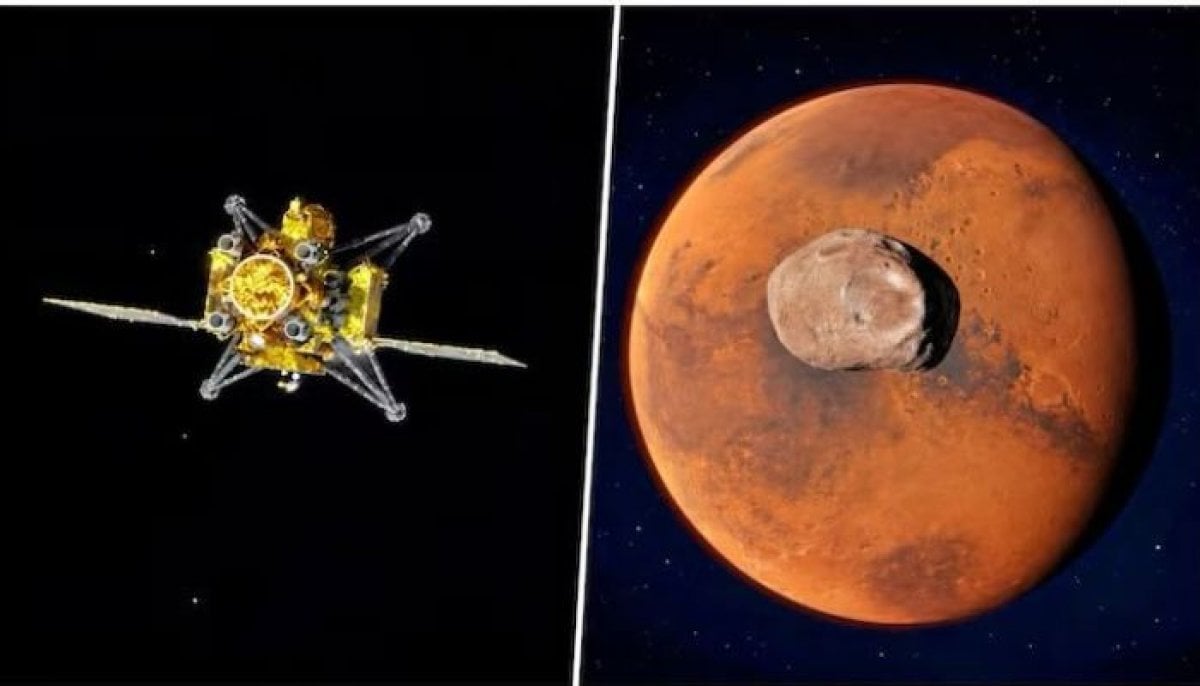
According to Reuters, the recent project will signal China’s ambitions for a structured evolution from near-Earth orbit operations to deep space exploration. It will support China’s planned lunar research program and its efforts in exoplanet detection outside our solar system.
China’s Chang’e-6 lunar probe was the first spacecraft to bring back samples from the far side of the moon in 2024. Beijing is actively involved in shaping international standards for spaceflight and space infrastructure to emerge as a leading global space power.


-
 Scientists develop technology to send smells through phones
 -
 Earth’s close encounter with giant asteroid Apophis is less than 3 years away
 -
 Chinese astronomers discover real-life three-body system unlike Liu Cixin’s fiction
 -
 Hunter’s Moon 2026: When and how to watch October’s full moon
 -
 Elon Musk’s Mars colonization dream faces reality check from Nobel laureate
 -
 NASA competition model 2.0 cuts mission selection by 45%
 -
 A ‘neglected’ neutrino may hold the key to why the Universe exists
 -
 Can cancer drugs be made in space? Here’s what the new mission aims to find out