EU strengthens space autonomy by signing Ariane 6 launch contract for Galileo satellites
The Galileo L18 mission will be Ariane 6’s fifth launch in support of the Galileo programme
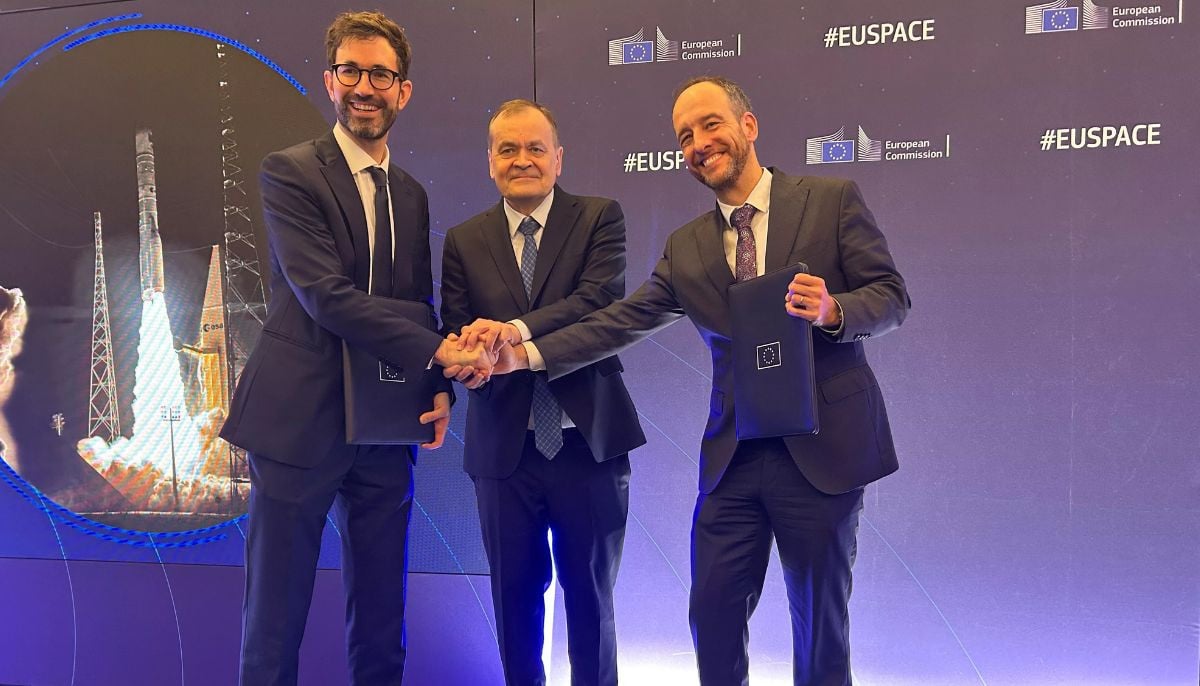
The European Union Agency for the Space Programme (EUSPA) and Arianespace have signed a new contract for the launch of the second pair of Galileo Second Generation (G2) satellites with Europe’s Ariane 6 rocket launcher. The Galileo L18 mission will mark the Ariane 6’s fifth launch in support of the Galileo programme.
Ariane 6 successfully completed its inaugural Galileo mission on December 17, 2025, placing two Galileo satellites into orbit.
Furthermore, the Galileo Control Centres in Fucino and Oberpfaffnhofen are now managing these satellites directly. In addition, two further Ariane 6 launches are planned to complete the first generation, followed by the Galileo L17 mission, which will deploy the first pair of second-generation satellites.
The EU previously relied on Elon Musk’s SpaceX to launch its strategic satellites; however, returning to the Ariane 6 launcher is a pivotal step in securing autonomous location services independent of the US Global Positioning System.
The development of Galileo Second Generation (G2) satellites will provide enhanced performance, resilience, and future-proof capabilities. This ensures that the EU satellite navigation system remains a world-class asset serving both public and authorities across Europe and around the globe.


-
 Europe launched 8 orbital rockets last year, can it rival Starlink?
 -
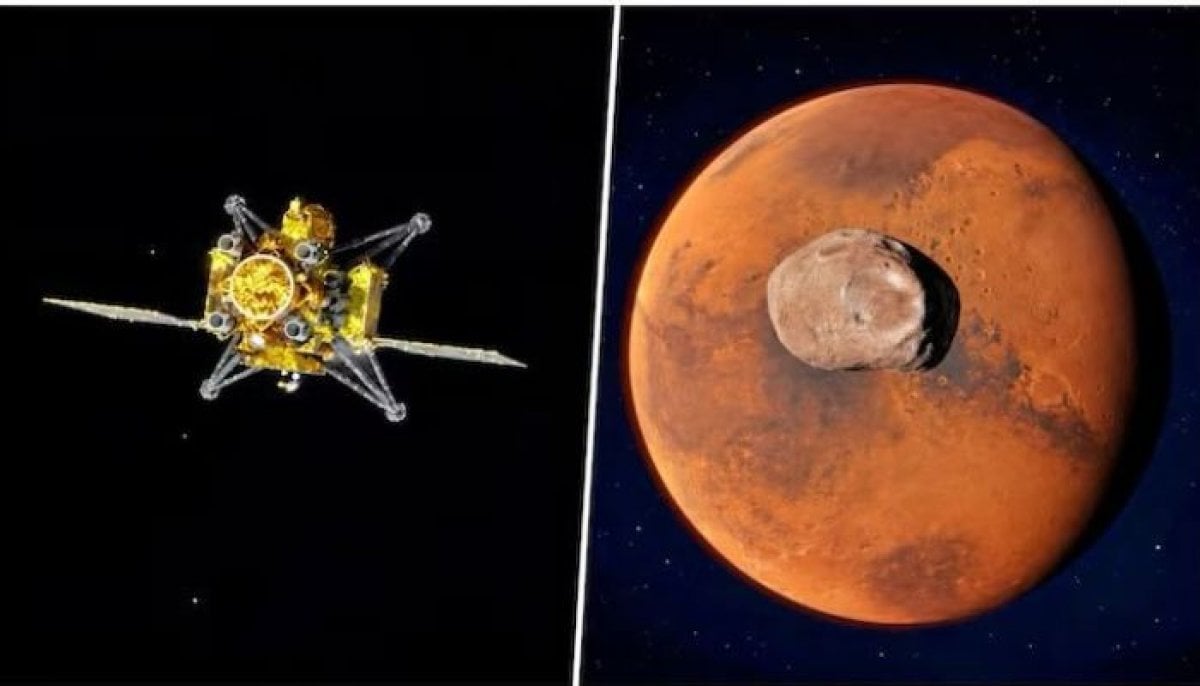 Japan launches world’s first mission to bring sample back from phobos
 -
 Orionid meteor shower 2026: Peak date, viewing tips and what to expect
 -
 Why Mars looks blue in NASA’s unedited curiosity panorama?
 -
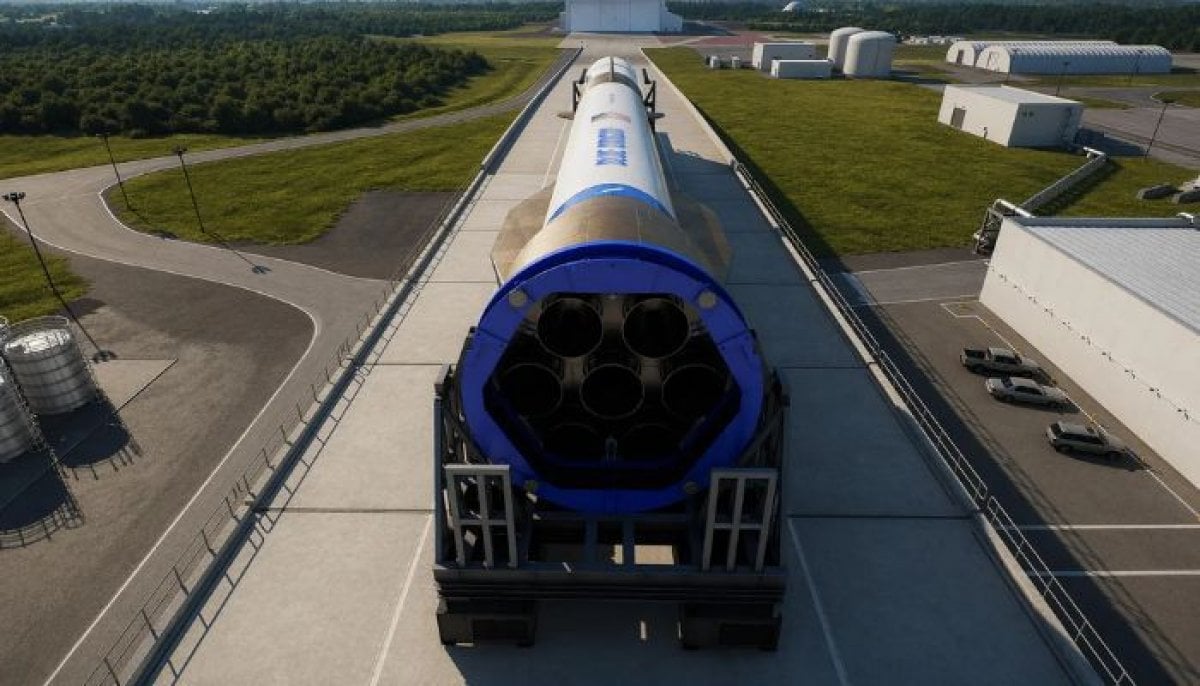 Blue Origin upgrades new Glenn rocket launch infrastructure to take on SpaceX
 -
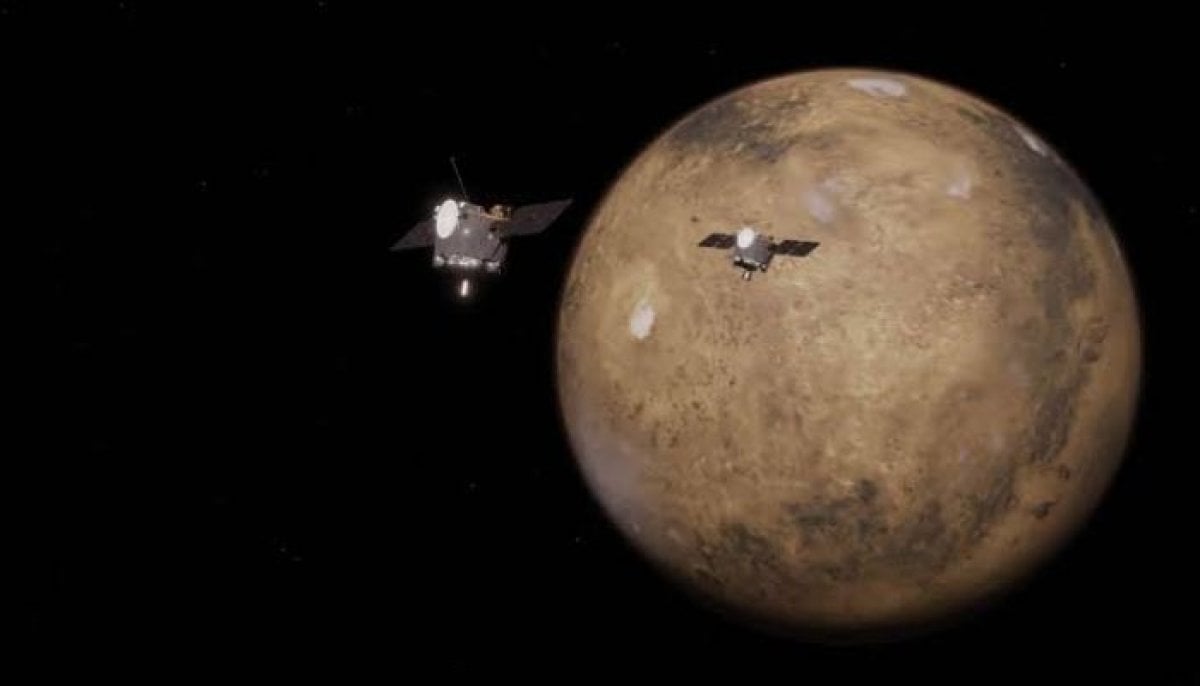 NASA’s next Mars mission targets Phobos and Deimos, not Red Planet
 -
 Is AI ready to rewrite our understanding of physics?
 -
 Astronomers identify possible first green star in 27 years of research