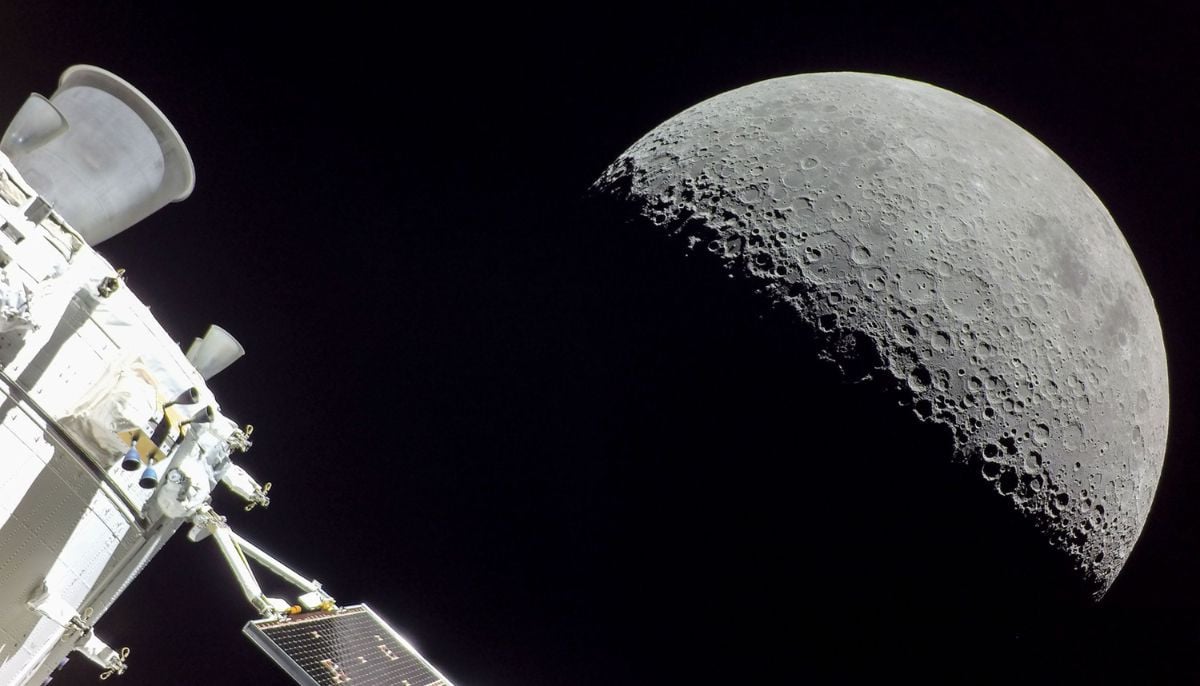
Black Moon: When the next one occurs and why it happens
Stargazers can observe the effects of the black moon, a rare occurrence
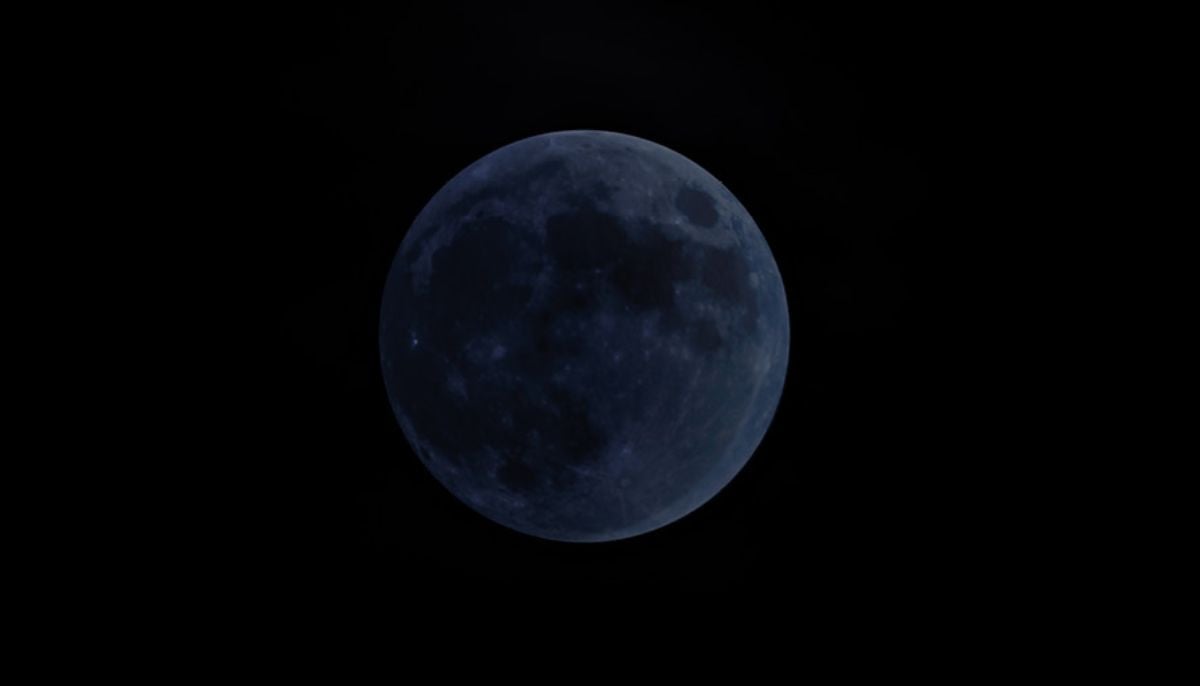
A Black Moon is not an official astronomical term but rather a popular name for a distinct lunar phenomenon involving the New Moon. A New Moon occurs when the Moon is positioned between Earth and the Sun, because its illuminated side faces away from us, the Moon remains invisible to the naked eye.
A Black Moon is rare as the lunar cycle closely aligns with Earth’s calendar year, which typically features one Full Moon and one New Moon each month. The easiest way to explain Black Moon is as the counterpart to a Blue Moon: the second new moon in a single calendar month.
Black Moons occur approximately once every 29 months and are the most common type of Black Moon.
When a season has four new moons, the third new moon is called a Black Moon. During the New Moon phase, the Moon appears black because it passes through the same part of the sky as the sun, leaving its unilluminated side facing Earth.
However, after a short time later, one can easily spot a slender silver of a crescent moon low in the western twilight sky, roughly 30 or 40 minutes after sunset. The next Black Moon will occur on August 31, 2027.






-
 China to launch Shenzhou 23 crew to Tiangong space station
 -
 Antarctic blizzard sends fuel containers floating on an iceberg: Here’s why
 -
 SpaceX Starship test flight succeeds despite engine failures
 -
 Is this Earth 2.0? NASA’s James Webb telescope spots ‘rare’ giant exoplanet
 -
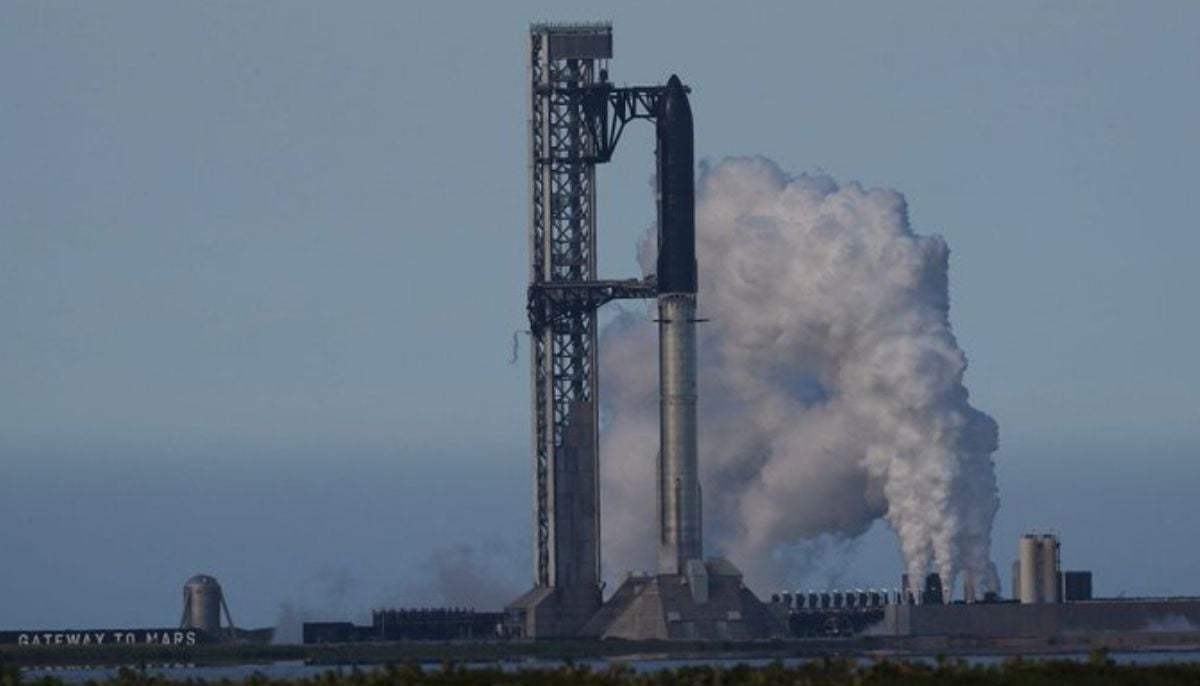 SpaceX Starship launch delayed again: Here’s what went wrong
 -
 Why do scientists think Neptune’s moon Nereid survived violent cosmic collision?
 -
 NASA set to unveil major Moon Base strategy and mission update
 -
 SpaceX’s upgraded Starship V3 ready for high-stakes test flight: Where to watch live