Moon soil rewrites how Earth got its water, Nasa reports
Ancient lunar soil is helping scientists rethink long-held ideas about the origins of Earth’s oceans
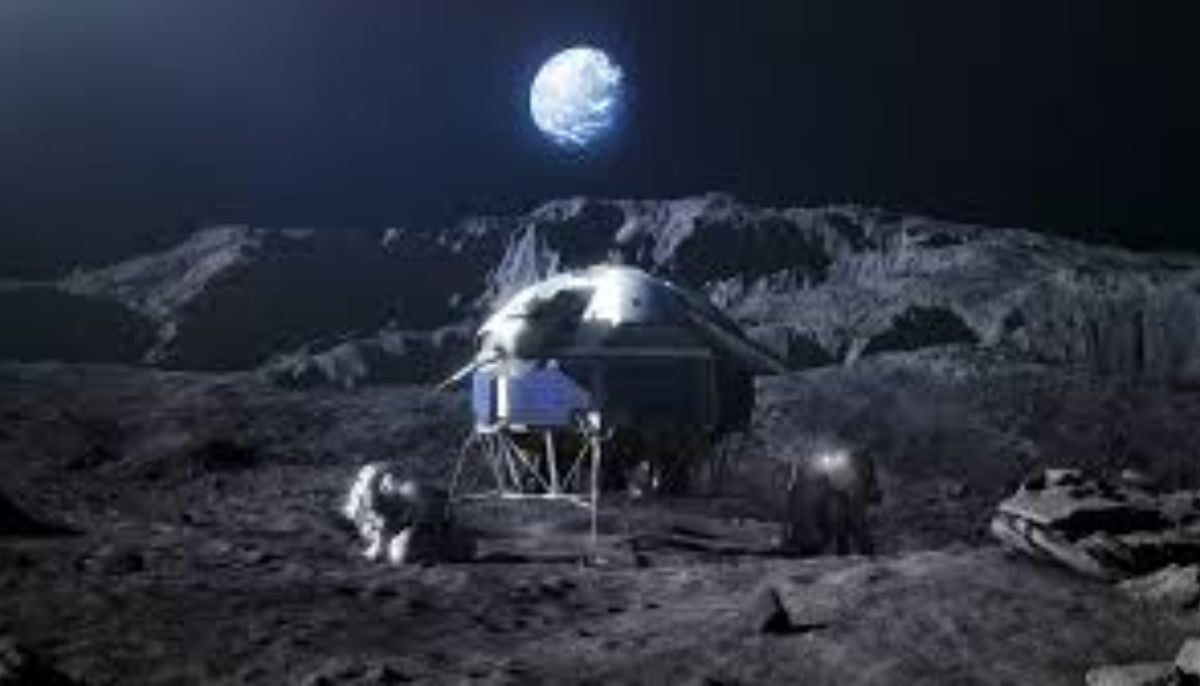
NASA scientists are turning to the Moon to solve one of Earth’s oldest mysteries: where our water came from. A new study led by the US space agency uses Moon soil collected during the Apollo missions to examine how much water meteorites may have delivered to Earth and when this may have happened.
The research is based on the lunar regolith, the dusty surface layer of the Moon. This has recorded impacts for billions of years. Unlike Earth, the Moon does not have weather or geology that can destroy its history.
The research was conducted by NASA postdoctoral researcher Tony Gargano, based in Houston at the Johnson Space Center and the Lunar and Planetary Institute. The research team used samples of moon soil gathered during the Apollo missions. The team used a method based on triple oxygen isotopes. This method acts as a fingerprint for identifying the type of meteorites that hit the Moon.
The earlier studies used metal-based markers, which were susceptible to changes after multiple impacts. However, the isotopes of oxygen do not change under extreme conditions, and this makes it easier to track the meteorite materials.
The study found that at least 1% of the surface materials on the Moon were from carbon-rich meteorites, which were known to contain water. However, after adjusting the results to account for the higher rate of impacts on Earth, the amount of water from the meteorites was found to be too small to account for the amount of water on the Earth.
According to NASA planetary scientist and study co-author Justin Simon, the results do not exclude the possibility of meteorites carrying water to the Earth. However, the study found that late meteorite impacts were unlikely to be the source of Earth's water.


-
 Elon Musk’s Mars colonization dream faces reality check from Nobel laureate
 -
 NASA competition model 2.0 cuts mission selection by 45%
 -
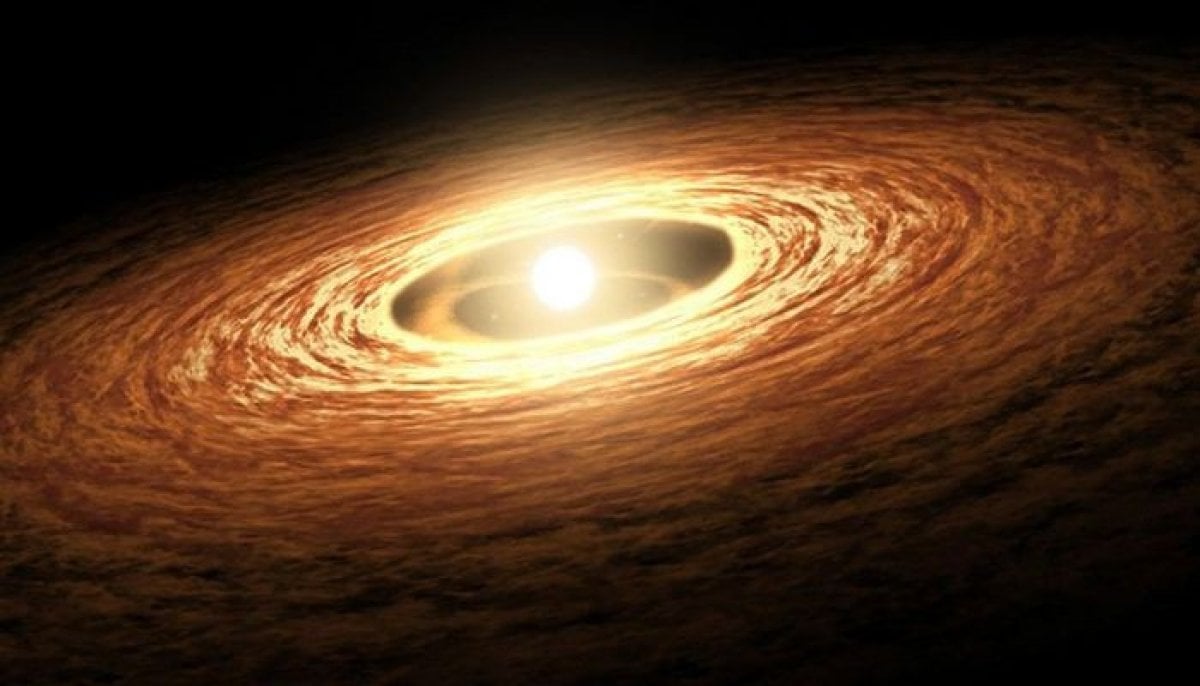 A ‘neglected’ neutrino may hold the key to why the Universe exists
 -
 Can cancer drugs be made in space? Here’s what the new mission aims to find out
 -
 SpaceX Falcon 9 successfully launches Bandwagon-5 mission with 32 payloads
 -
 Europe launched 8 orbital rockets last year, can it rival Starlink?
 -
 Japan launches world’s first mission to bring sample back from phobos
 -
 Orionid meteor shower 2026: Peak date, viewing tips and what to expect