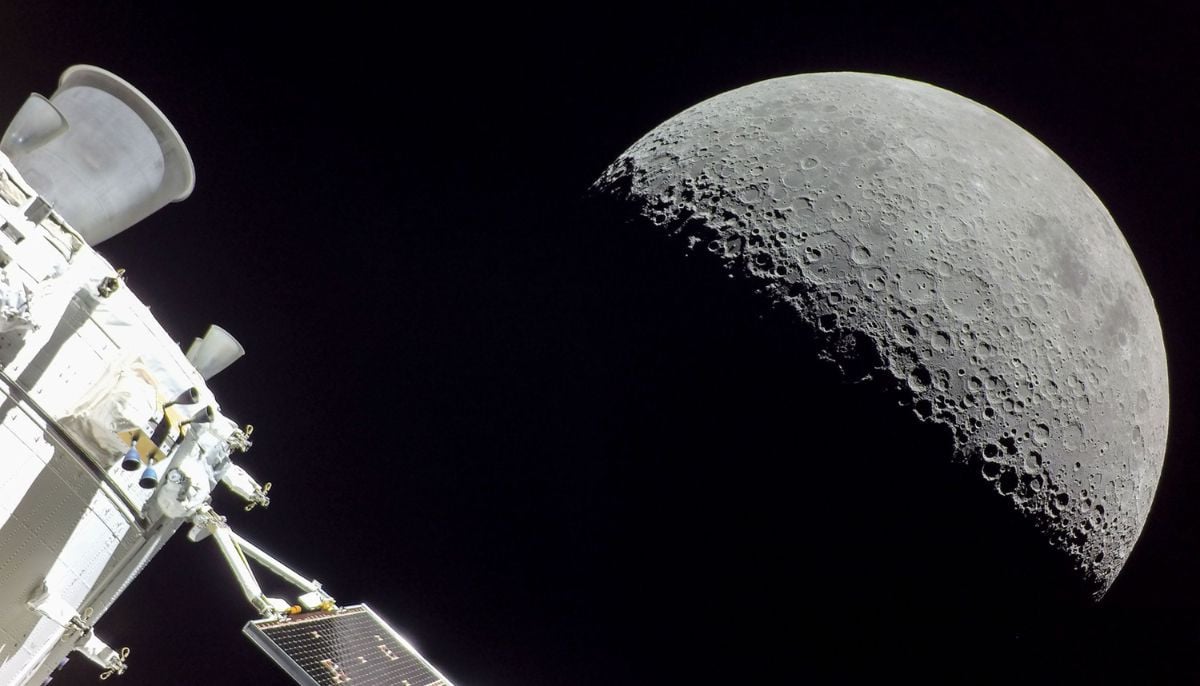
From Earth to Moon: US startup opens bookings for inflatable lunar hotel
The hotel could house up to four guests
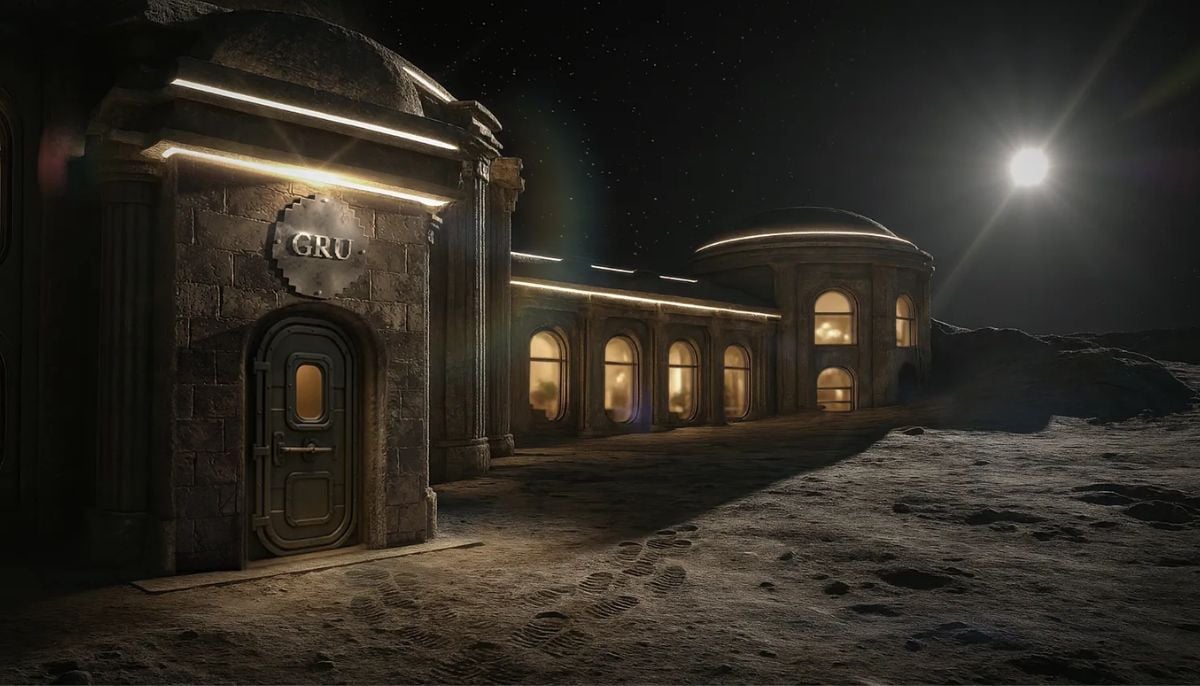
In January 2026, a US-based start-up called Galactic Resource Utilization (GRU) Space officially started accepting reservations for what it claims will be the first permanent off-Earth structure built in history.
One of the intriguing aspects of the new venture is that the company offers selected applicants the option to place a deposit of either $250,000 or $1 million depending on the experience they choose.
At present, the project is in the initial stages of testing; no physical structure has been assembled on the Moon, and the viability of long-term settlement remains unproven. The company is marketing the experience to wealthy tourists, frequent space travelers and couples seeking a dream gateway. GRU further plans to gradually expand the site into a permanent lunar hotel for up to 10 guests, with even more ambitious plans to build a similar facility on Mars.
The recent announcement comes amid US President Trump's commitment to plant a flag on Mars by 2028, as tech billionaires push for private involvement beyond low Earth orbit.
In contrast, Amazon founder Jeff Bezos has backed Orbital Reef-a proposed venture space station intended to orbit Earth in a manner similar to the International Space Station-underscoring an emphasis on tourism, research, and commercial use.
Nevertheless, this initiative marks a significant shift in the space industry from state-owned research toward high-end commercial infrastructure. It signals the transition of science fiction into a tangible, elite, and expensive business model.
Meanwhile, an American aerospace company called Above: Space Development has also been competing to launch what it calls the world’s first space hotel as early as 2027.






-
 China to launch Shenzhou 23 crew to Tiangong space station
 -
 Antarctic blizzard sends fuel containers floating on an iceberg: Here’s why
 -
 SpaceX Starship test flight succeeds despite engine failures
 -
 Is this Earth 2.0? NASA’s James Webb telescope spots ‘rare’ giant exoplanet
 -
 SpaceX Starship launch delayed again: Here’s what went wrong
 -
 Why do scientists think Neptune’s moon Nereid survived violent cosmic collision?
 -
 NASA set to unveil major Moon Base strategy and mission update
 -
 SpaceX’s upgraded Starship V3 ready for high-stakes test flight: Where to watch live