Astronomers discover vast cloud of vaporised metal orbiting mysterious object
Mysterious cloud is filled with swirling winds composed of metals like iron and calcium
Astronomy is the study of stars, planets and the vast space beyond Earth. Every so often, scientists spot an event so unusual that it challenges what we think we know about the universe. Among such discoveries, one has now captured the attention worldwide, involving a star and an enormous cloud formed out of metal vapours.
At first, astronomers noticed something odd in September 2024, a star similar in nature to the Sun, called J0705+0612. Which was situated about 3,000 light-years from the earth, has suddenly become about 40 times dimmer than before.
This state continued for nine months before returning to normal in May 2025. Such occurrences happen very infrequently, especially if we consider a star of a similar nature to the Sun.
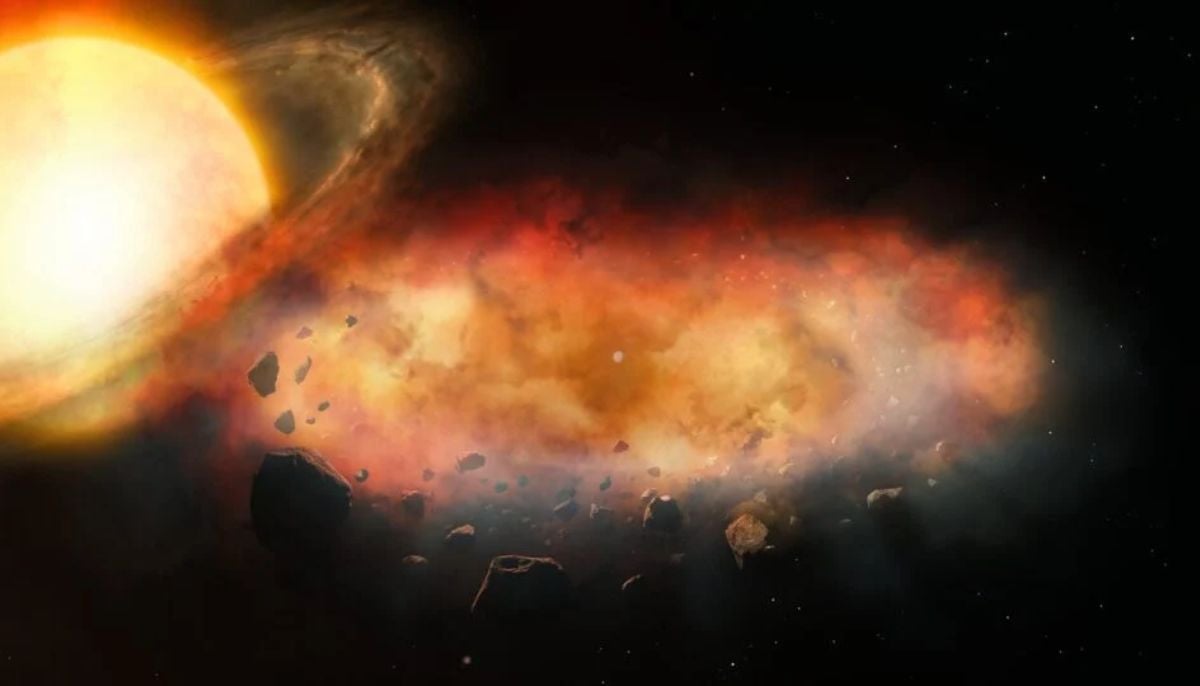
The mystery drew the attention of Johns Hopkins astronomer Nadia Zakamska and her team. The team utilised some powerful telescopes in Chile and the United States and found that the star had been partly eclipsed by an enormous cloud filled with gas and dust.
The cloud was approximately 200 million kilometres wide and was situated far from the star, about 13 times the distance from Earth to the sun.
What surprised the scientists most was the materials this cloud was composed of. They used special instruments and found swirling winds composed of metals like iron and calcium that had been vaporised. Metals in science are referred to as iron and calcium, and as the study indicates, this was the first time that movement was observed in such a cloud.
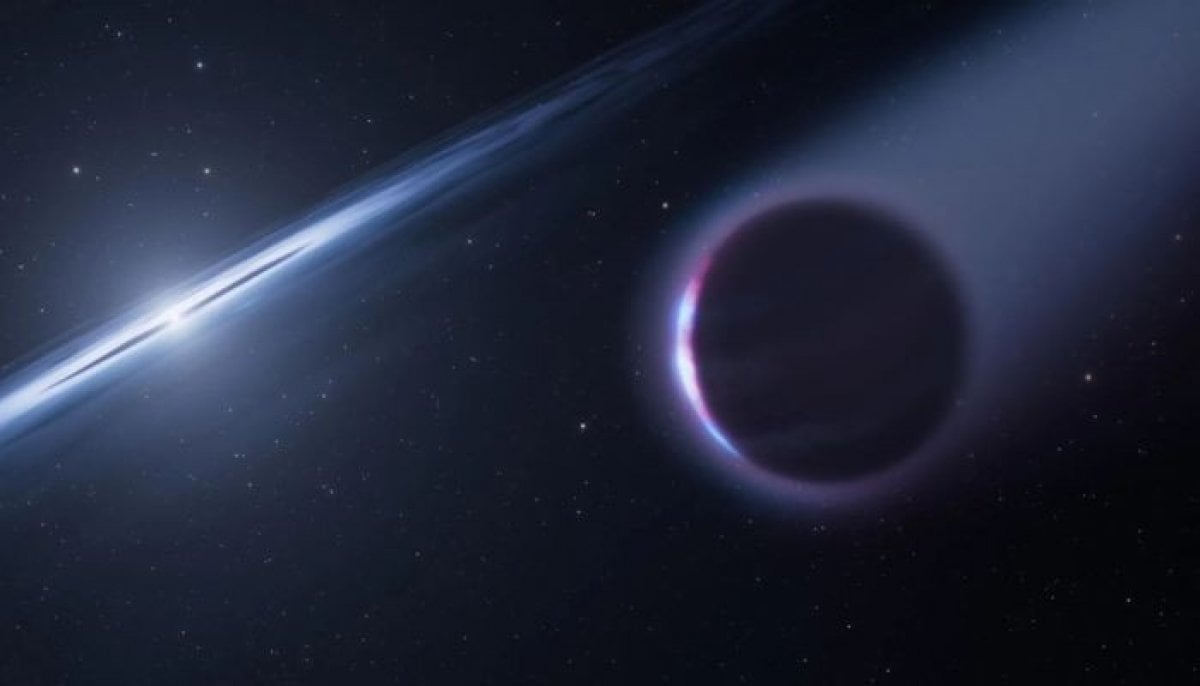
This cloud appears to be held together by the gravity of an object orbiting the star and not visible to the eye. This object could be a big planet or a small star at least several times more massive than Jupiter. It could be a disc formed by a planet or a companion star.


-
 Can cancer drugs be made in space? Here’s what the new mission aims to find out
 -
 SpaceX Falcon 9 successfully launches Bandwagon-5 mission with 32 payloads
 -
 Europe launched 8 orbital rockets last year, can it rival Starlink?
 -
 Japan launches world’s first mission to bring sample back from phobos
 -
 Orionid meteor shower 2026: Peak date, viewing tips and what to expect
 -
 Why Mars looks blue in NASA’s unedited curiosity panorama?
 -
 Blue Origin upgrades new Glenn rocket launch infrastructure to take on SpaceX
 -
 NASA’s next Mars mission targets Phobos and Deimos, not Red Planet