Kansas woman loses $255,000 in gold in FBI impersonation scam
Investigators believe the stolen gold was funnelled into overseas accounts

An 84-year-old Kansas woman thought she was saving her life savings. Instead, she was handing it over.
Over several months, the Sedgwick County resident was tricked into buying more than $255,000 worth of gold after phone scammers convinced her they were FBI agents protecting her money, according to court documents.
The callers told the elderly woman her Social Security number had been compromised and urged her to withdraw her funds and convert them into gold ‘for safety.’
Trusting the voice on the line, she followed detailed instructions, buying gold between June and August and handing it over during secretive meet-ups outside a church in Andale.
She remained convinced she was helping federal agents until family members discovered in September that all her assets were gone. Police and real FBI agents then stepped in, setting up a trap to catch those involved.
During the operation, two men namely Sai Praveen Kommana of Texas, and Krishna Bharanue Daggubati of Georgia were stopped while allegedly attempting to collect more gold.
Investigators believe the stolen gold was funnelled into overseas accounts, with the ringleader thought to be operating outside the US.
Both men face charges linked to attempted theft by deception, while federal prosecutors have also indicted Kommana in a wider wire fraud conspiracy. The FBI says the investigation is ongoing.


-
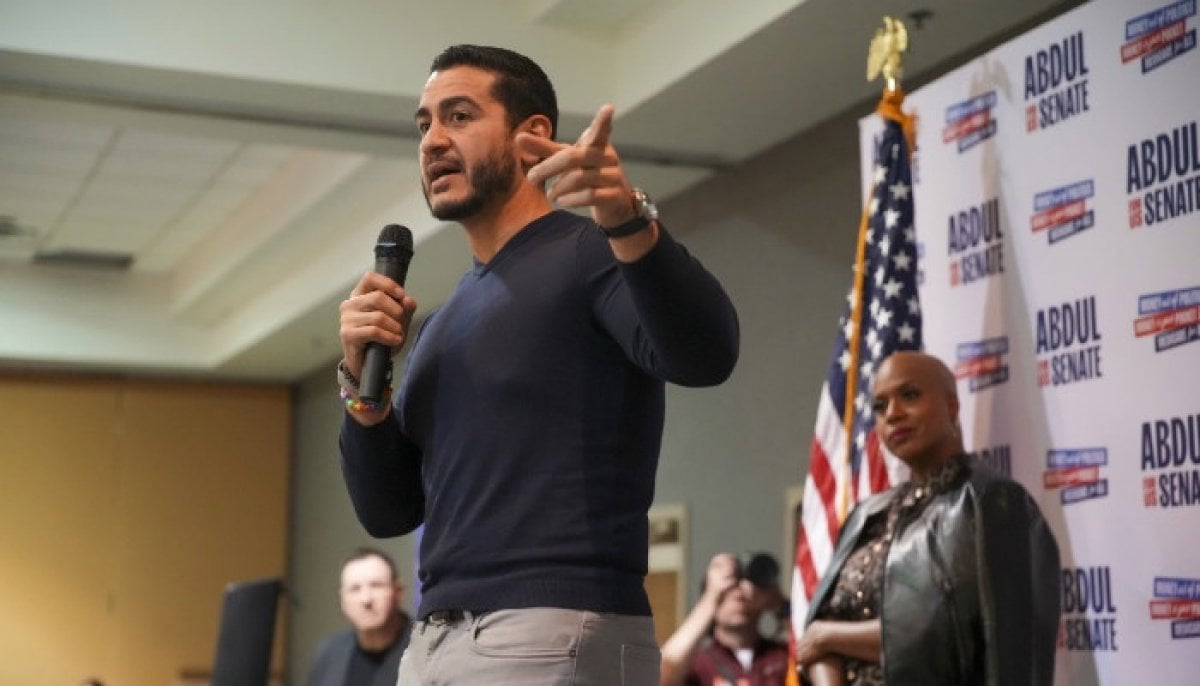 Abdul El-Sayed heckler linked to Republican strategist that was paid $250K to oppose him
 -
 Flights to Europe could get more expensive in 2027 as fuel costs surge, Ryanair warns
 -
 CNN threatens to sue Trump administration again over Air Force One press ban
 -
 Attack on Australian MP Helen Haines highlights escalating threats to public figures
 -
 Ilhan Omar's sister questioned by investigators amid US citizenship fraud probe
 -
 Zelenskyy calls Rubio talks constructive after Trump eases Russia sanctions for 60 days
 -
 Milan on high alert as Italy deploys 500 troops following days of riots and looting
 -
 Ex-Toronto Blue Jays player Richard Butler and wife accused of defrauding baseball families