Comet 3I/ATLAS: Evidence suggests that interstellar visitor is older than the sun
The interstellar visitor is a true ancient relic dating back to the earliest days of the universe
Comet 3I/ATLAS has recently passed through the solar system, generating scientific interest that it could be much older than the Sun, possibly dating back to the earliest days of the universe.
According to researchers, the comet could be as old as 14 billion years, offering a rare glimpse into the initial stages of star information.
The orbital measurements of 3I/ATLAS demonstrated that it entered the solar system at a velocity which cannot be accounted for by the Sun’s gravity alone. Its sharply inclined hyperbolic path indicates that it is not bound to the Sun and will never return.
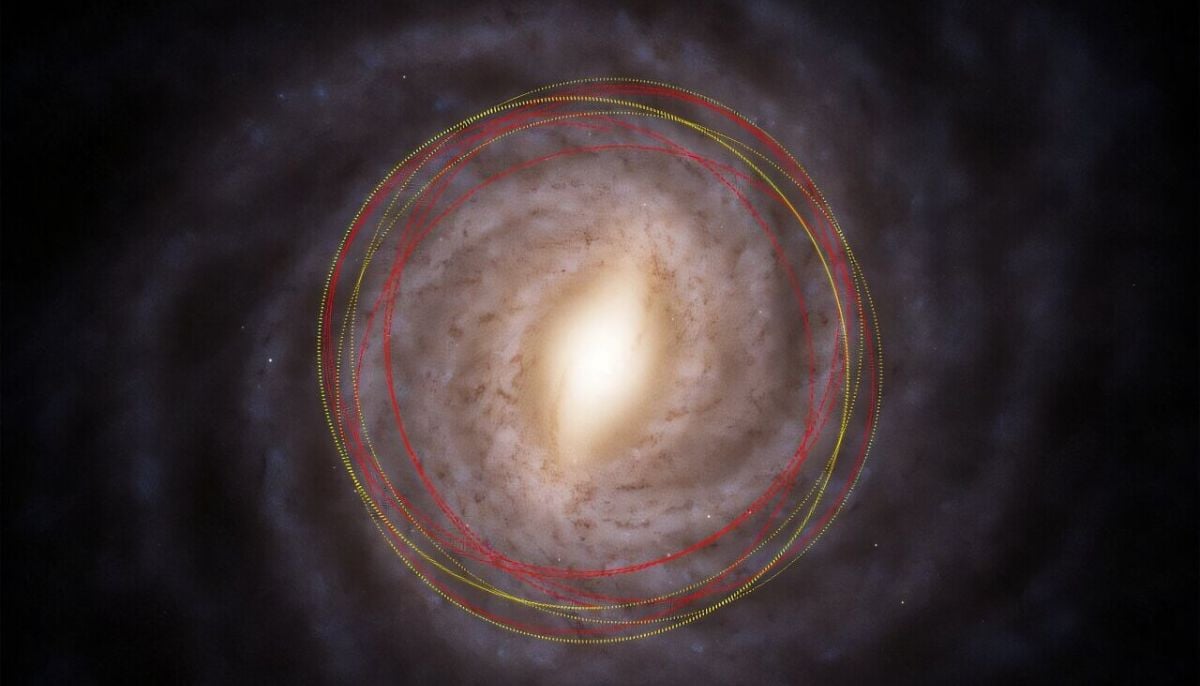
The researchers have made further studies to analyze its velocity and trajectory relative to the Sun and other stars in the Milky Way, suggesting that 3I/ATLAS originated from a primitive stellar population formed early in the universe.
The study of 3I/ATLAS offers scientists an intriguing and rare opportunity to scrutinize material from the earliest phases of cosmic history. This will further help to refine our models of stars, and more broadly, the solid bodies found in interstellar space.
Nonetheless, although some speculative ideas have been proposed-including theories of artificial origin- current observations with known observatories remain consistent with known astrophysical processes.


-
 SpaceX Falcon 9 launches 21 military satellites into orbit
 -
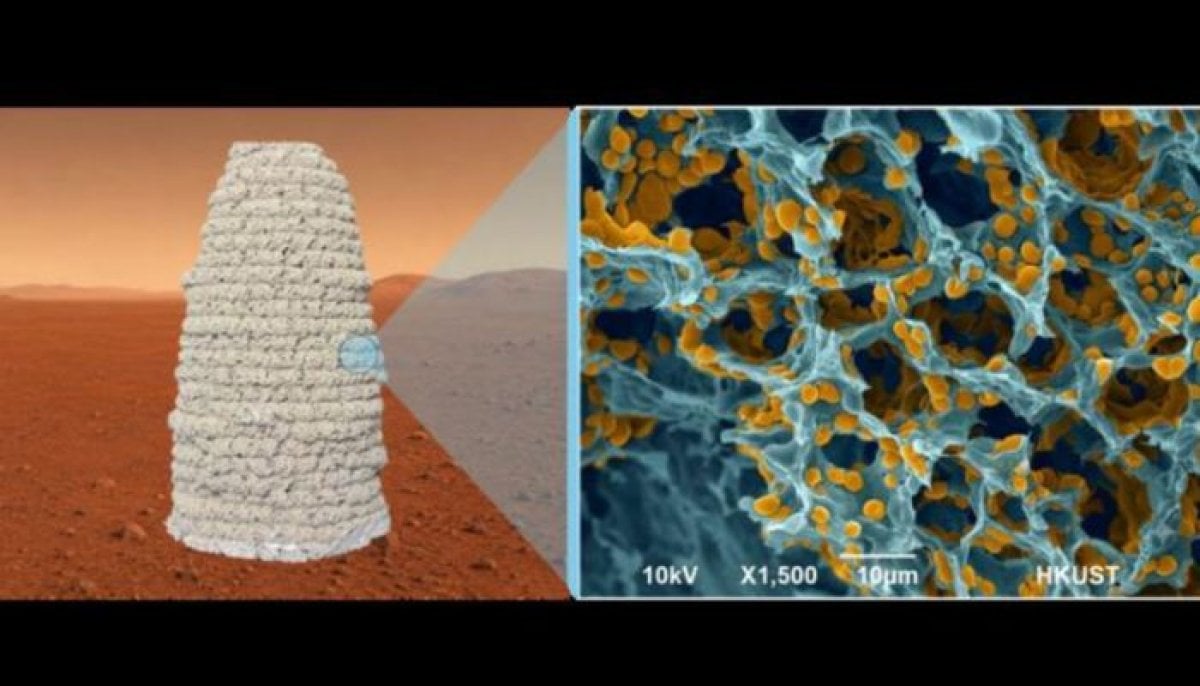 Could a newly engineered microbe help humanity survive on Mars?
 -
 Astronomers find most distant fast radio burst ever recorded
 -
 Draconid meteor shower tonight: Best time and places to see it
 -
 ‘A dream for 50 years’: Why world’s first nuclear clock could change timekeeping
 -
 NASA Curiosity captures strange ‘wind-carved’ Mars landscape in dawn image
 -
 NASA's Crew-12 Dragon begins return trip from space station
 -
 Mysterious ‘phoenix planet’ found around the remains of a dying star