Quadrantid meteor shower 2026: When and how to watch
The moon will be completely illuminated during the peak viewing period
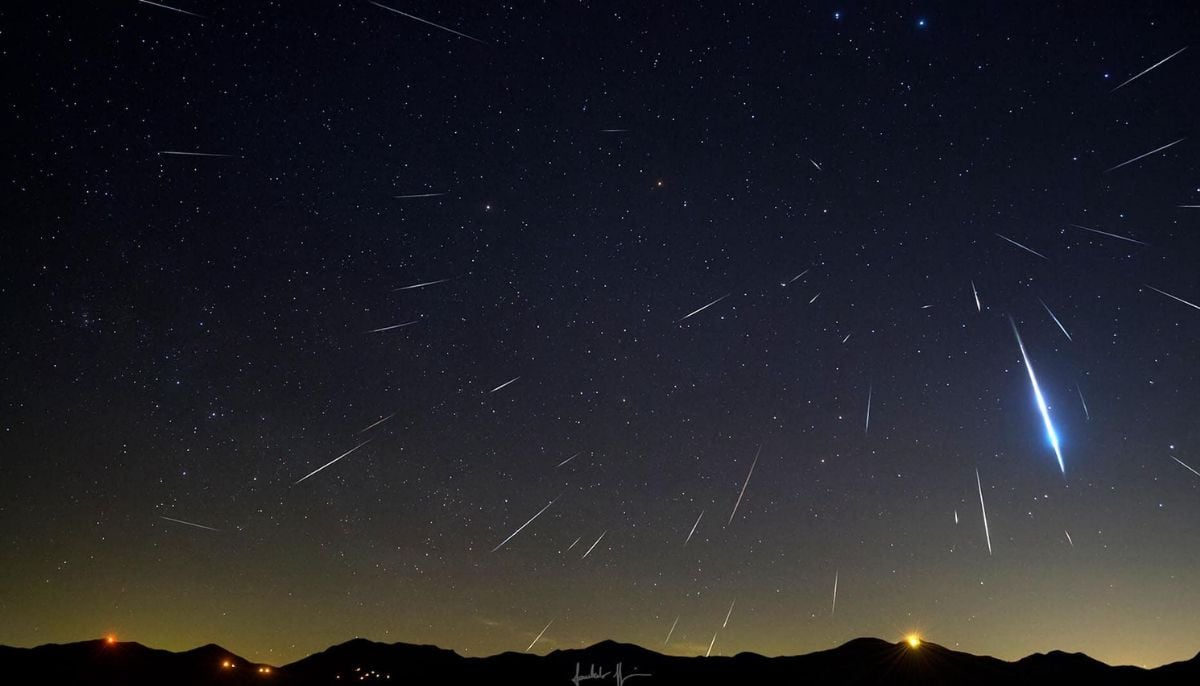
The Quadrantid meteor shower is one of the year’s most intense celestial events; stargazers can expect to see over 100 meteors per hour during its peak.
It will be active and visible between Dec. 28 and Jan.12, peaking overnight Jan.3-4. It is expected that viewing conditions will be bad for 2026 as there will be a 100% chance of an illuminated full moon during the week.
Quadrantid Meteor Shower 2026: When and how to watch?
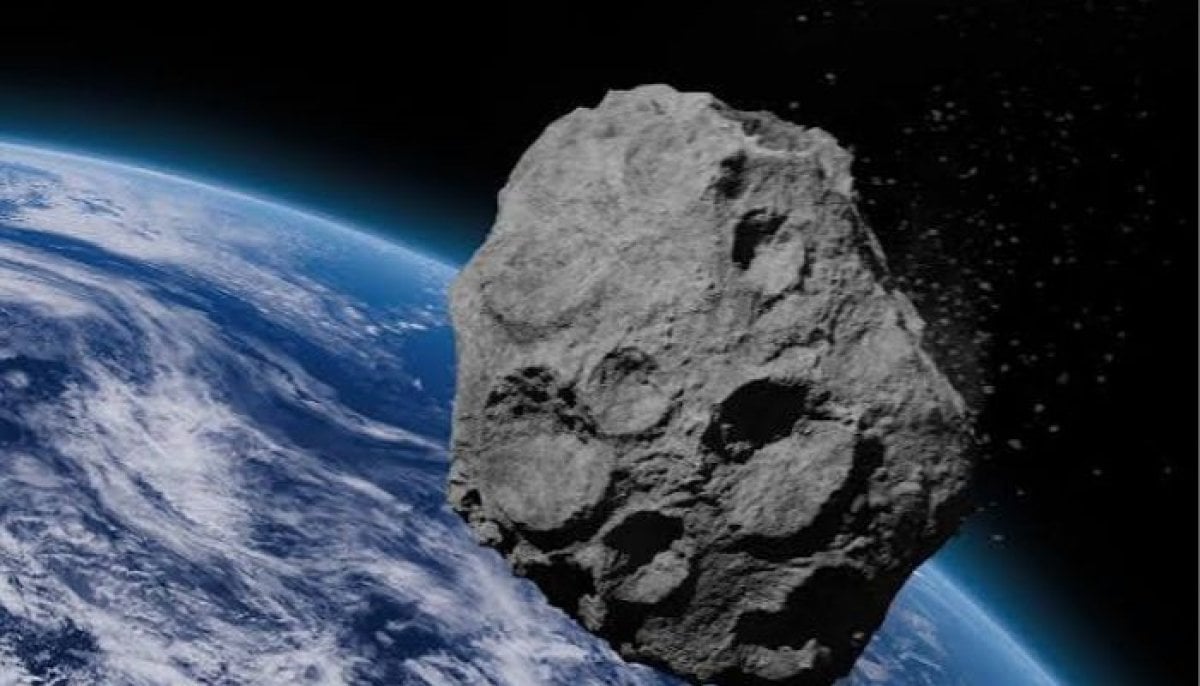
The Quadrantid meteor shower occurs when Earth passes through the debris trail left behind by asteroid 2003 EH1, which is likely an extinct comet.
NASA meteor shower was of the view that is either a piece of a comet or a comet itself that has become extinct.
Meteor showers are named after the constellations from which the meteors appear to emerge, known as the radiant.
The best time to see the Quadrantid meteor shower is to go to the darkest possible location.
You don’t need equipment like telescopes or binoculars; the secret is to take in as much sky as possible which could allow about 30 for your eyes to adjust to the darkness.
As reported by Space.com, the best time to view the Quadrantids is in the late hours on Jan.3 until just before the sunrise on Jan.4., when the shower’s radiant is high in the northeastern sky.
The Quadrantids have a peculiar origin; while most meteor showers come from comets, this shower is generated by asteroid 2003 EH1, which astronomers often called a “rock comet.”
Skygazers are advised to check local cloud forecasts 24 hours in advance. Because this peak is so short, there is no second night to catch it, so be ready for this enchanting astronomical event.






-
 US-Russian space crew returns to Earth after eight-month mission on the International Space station
 -
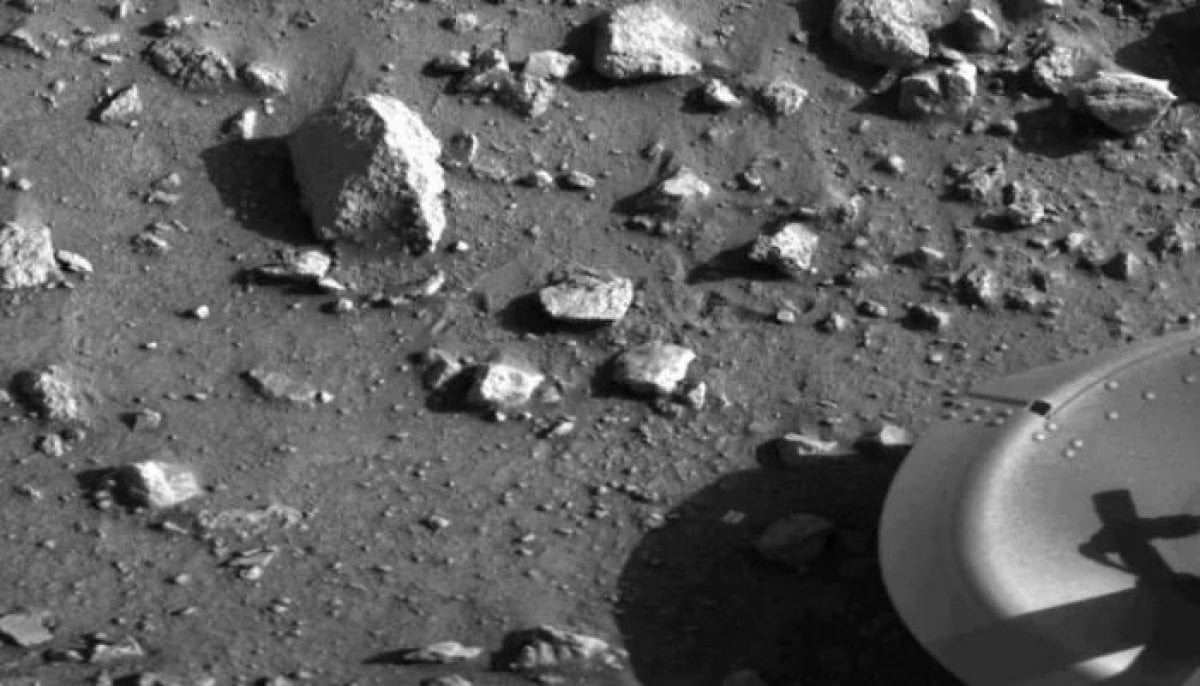 Viking 1 mars landing: 50 years since first photos
 -
 Four hidden dead stars found in Earth's backyard
 -
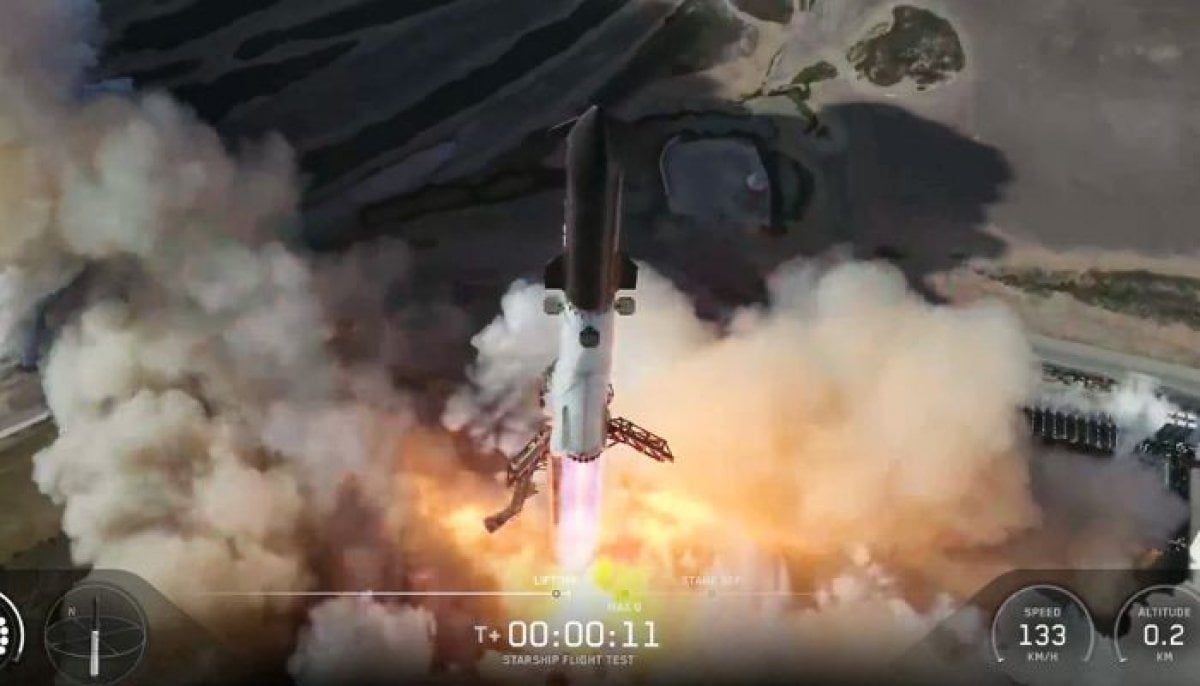 What happened during SpaceX’s 13th Starship test? First upgraded Starlinks successfully deployed
 -
 Astronomers may have found the first moon beyond our solar system
 -
 Space datacenters could catastrophically pollute Earth, groups warn
 -
 Astronomers just solved a 10-billion-year-old Milky Way mystery
 -
 Why China is crashing a spacecraft into asteroid 2015 XF261