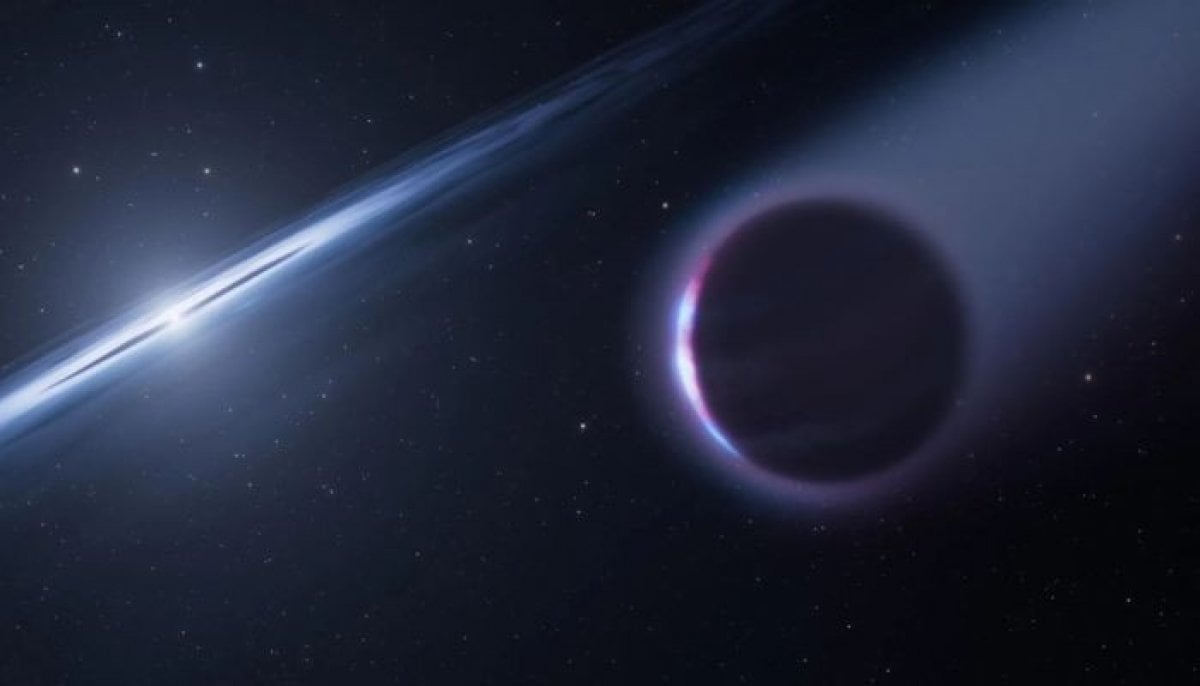
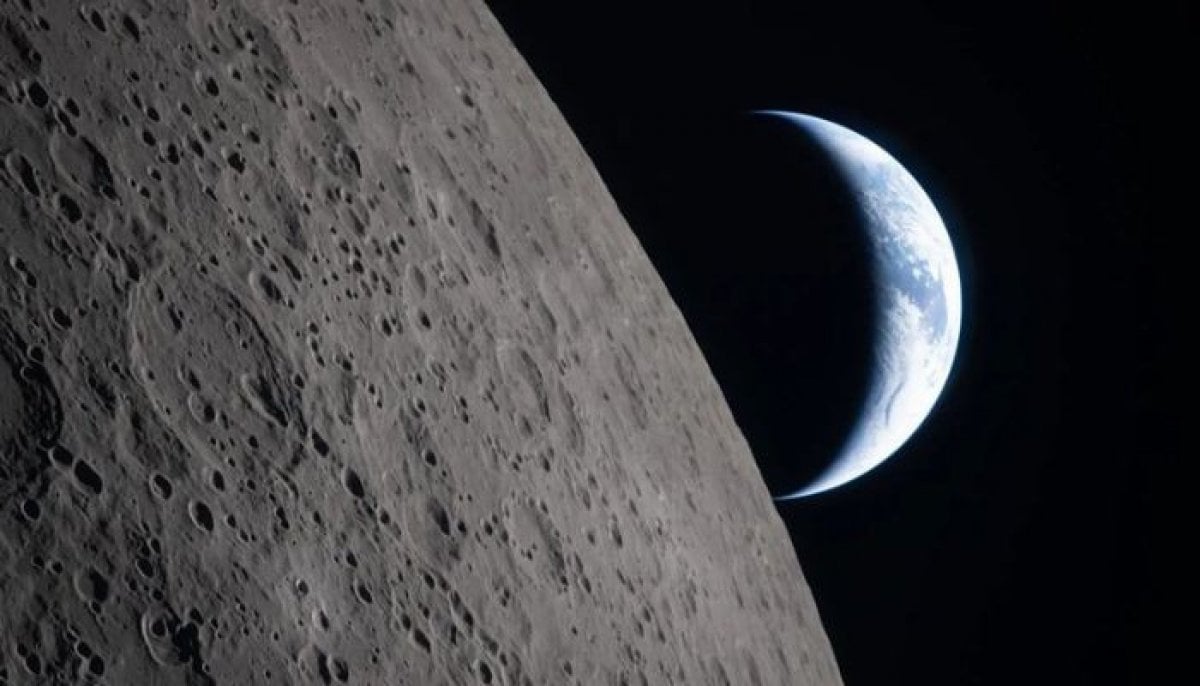
3I/ATLAS departs, Japan tests laser weapon, and AI cracks the ‘impossible’ math problems this week
This week features a series of intriguing scientific breakthroughs and astronomical events

The major scientific breakthroughs and astronomical events have been seen this week with the remarkable development of a new kind of quantum processor that lasts 15 times longer than those used by Google and IBM.
The processor is primarily a crucial step on the road to stable quantum computing. Scientists need to surmount key challenges such as the processor's millisecond dephasing time and the extreme scarcity of tantalum.
Scientists have developed a 4K thermal imaging system for smartphones inspired by the infrared heat vision of snakes.
Meanwhile, Japan’s military has successfully tested a 100-kilowatt laser weapon designed to cut through metal and neutralize drones mid-flight.
3I/ATLAS makes the closest pass of Earth. Where is it heading next?
3I/ATLAS passed its closest point to Earth this week and is now set to leave our solar system.
Since, its discovery in July, comet 3I/ATLAS has baffled astronomers and skywatchers alike.
As reported by LiveScience, it whizzed behind the Sun, immediately brightened, and changed color multiple times while emitting its highly irradiated coma.
Artificial intelligence models are effectively taking pivotal steps toward increasingly difficult math problems, the notion that they will soon eclipse humans remains an unproven hypothesis.
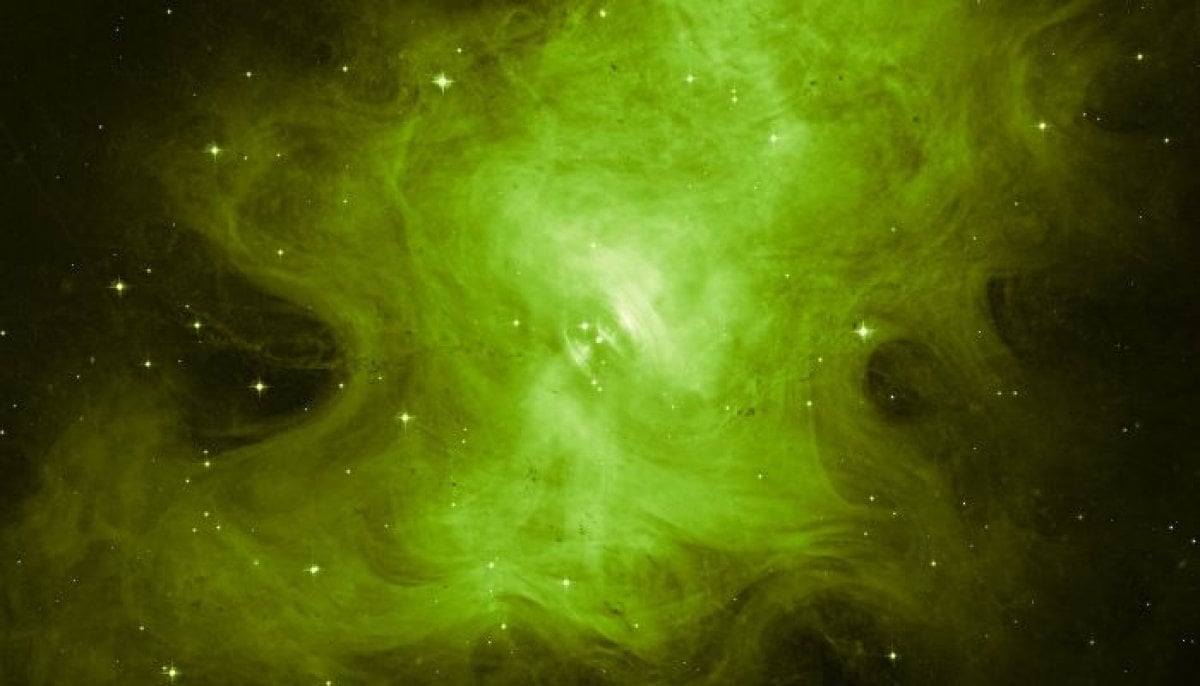
This week’s remarkable science photo displays one of the strongest, long-lasting, cosmic explosions ever detected- a seven-hour blast emanating from stellar remnants.
The incredible combination of cosmic discovery and computational intelligence offers a powerful way to paint a picture of the world, pushing back the boundaries of the impossible every day.


-
 Europe launched 8 orbital rockets last year, can it rival Starlink?
 -
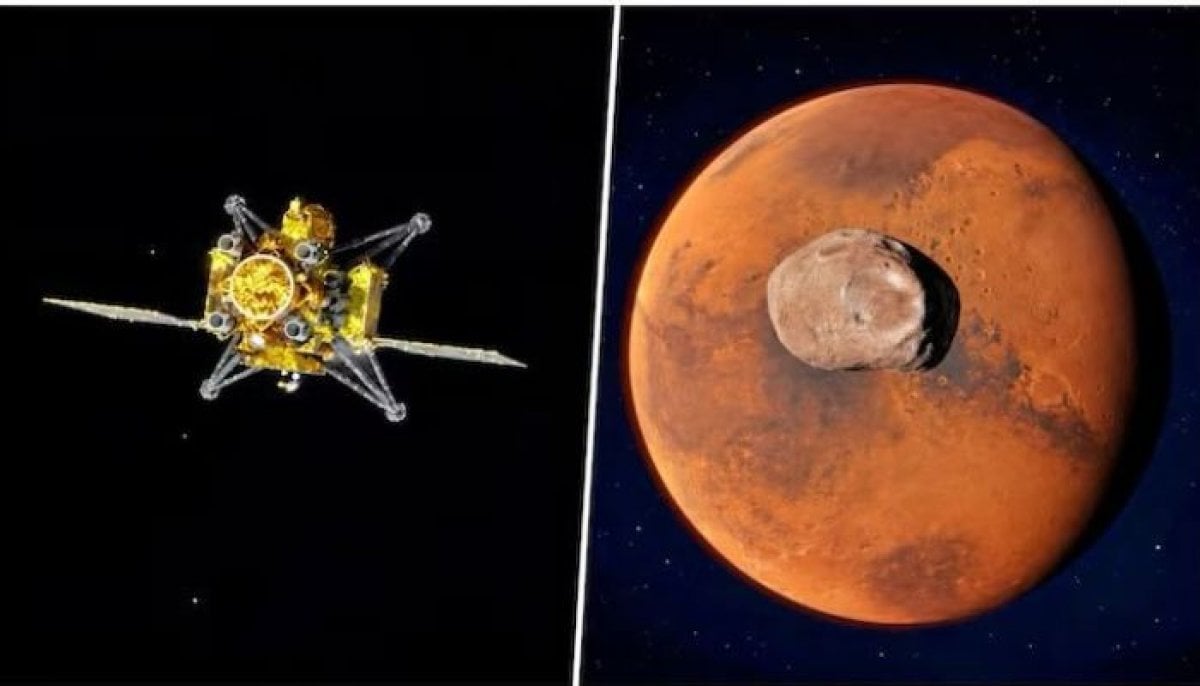 Japan launches world’s first mission to bring sample back from phobos
 -
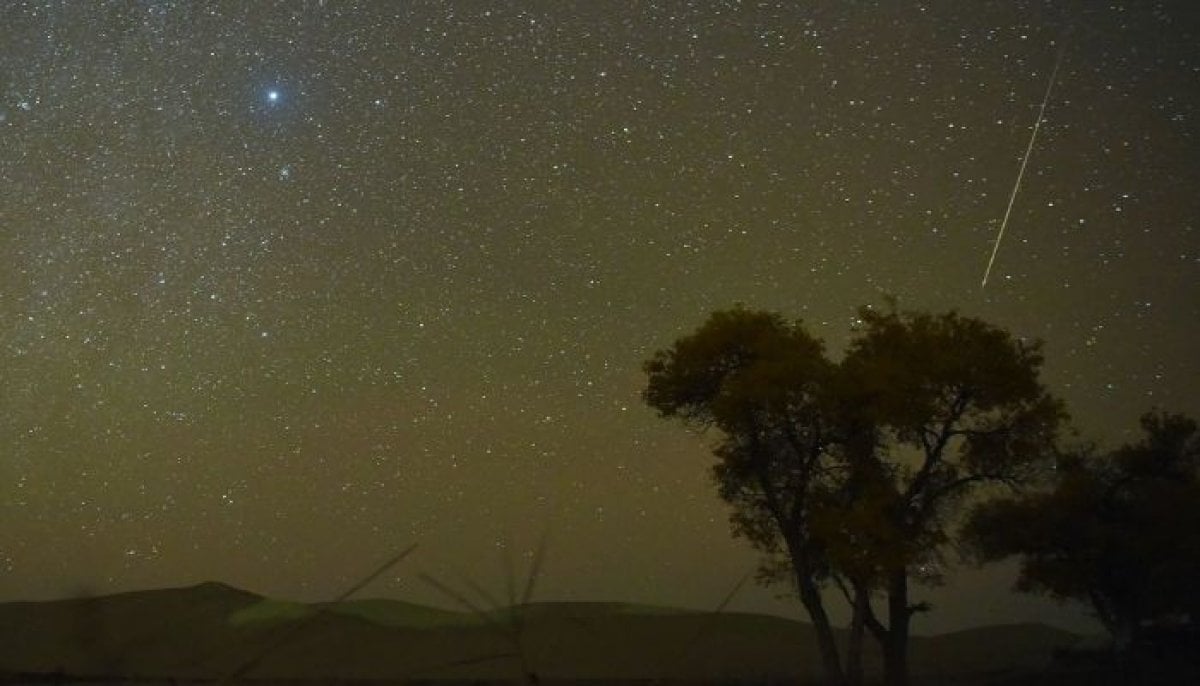 Orionid meteor shower 2026: Peak date, viewing tips and what to expect
 -
 Why Mars looks blue in NASA’s unedited curiosity panorama?
 -
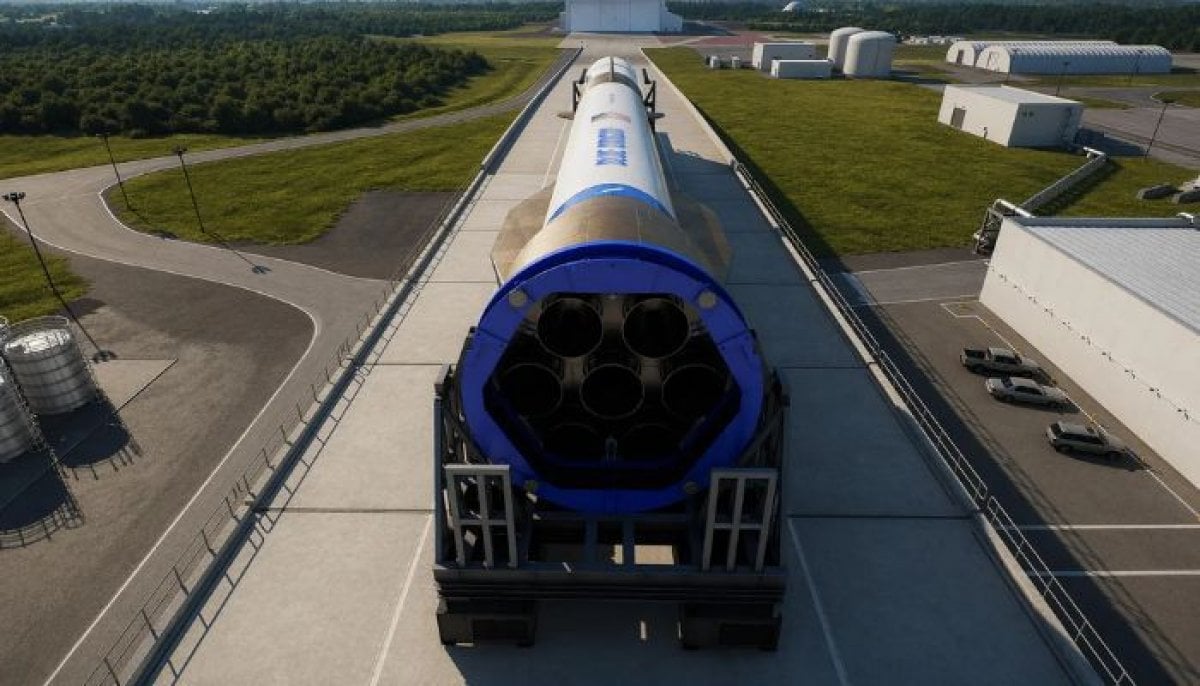 Blue Origin upgrades new Glenn rocket launch infrastructure to take on SpaceX
 -
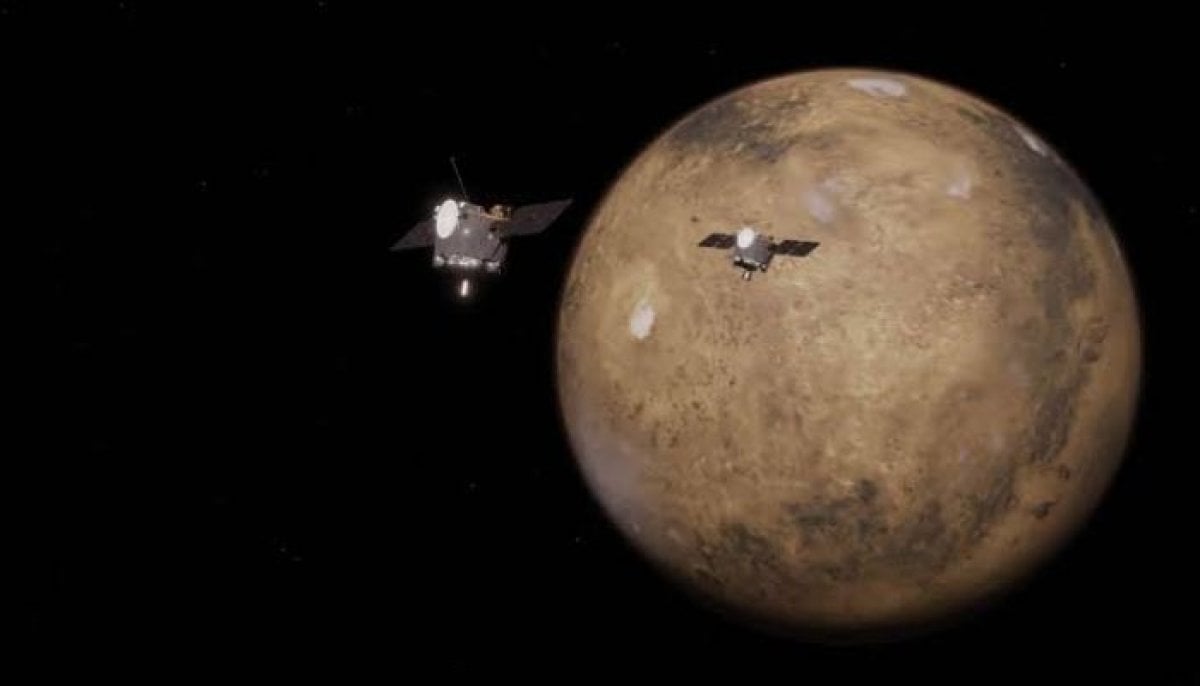 NASA’s next Mars mission targets Phobos and Deimos, not Red Planet
 -
 Is AI ready to rewrite our understanding of physics?
 -
 Astronomers identify possible first green star in 27 years of research