Rocket Lab successfully delivers Japanese tech experimental satellite to orbit
The mission marks a significant milestone for a dedicated launch by Rocket Lab, delivering satellites to orbit
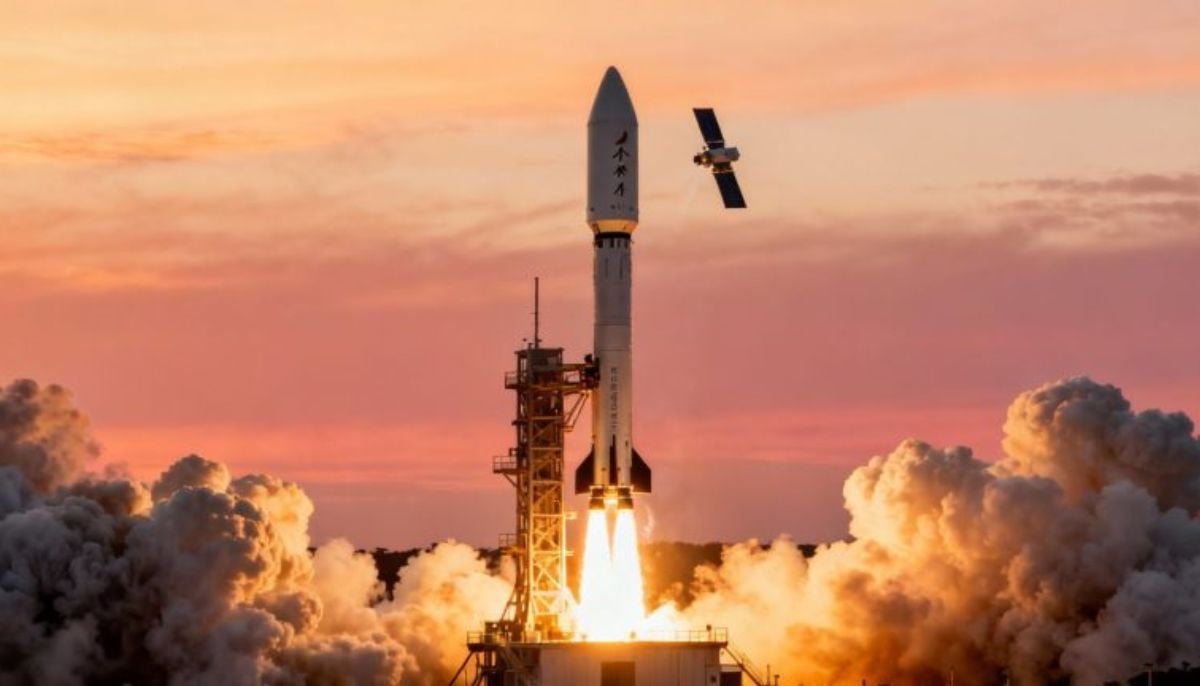
Rocket Lab successfully introduced a Japanese technology satellite on Saturday, December 13.
The Electron rocket, which is 59-foot-tall, launched the “RAISE and Shine’’ mission from Rocket Lab’s New Zealand site on December14.
This was the first flight of the “RAISE and Shine'' mission
“RAISE and Shine’’ is the initial flight that Rocket Lab has contracted directly with the Japan Aerospace Exploration Agency.
According to SPACE, the deal is based on two-flights: one for the dedicated launch for the Japanese space agency, and the second is a ride-hailing launch scheduled for early next year.
There has been a long history of California-based companies with Japan, launching more than 20 missions for companies located in the Land of the Rising Sun.
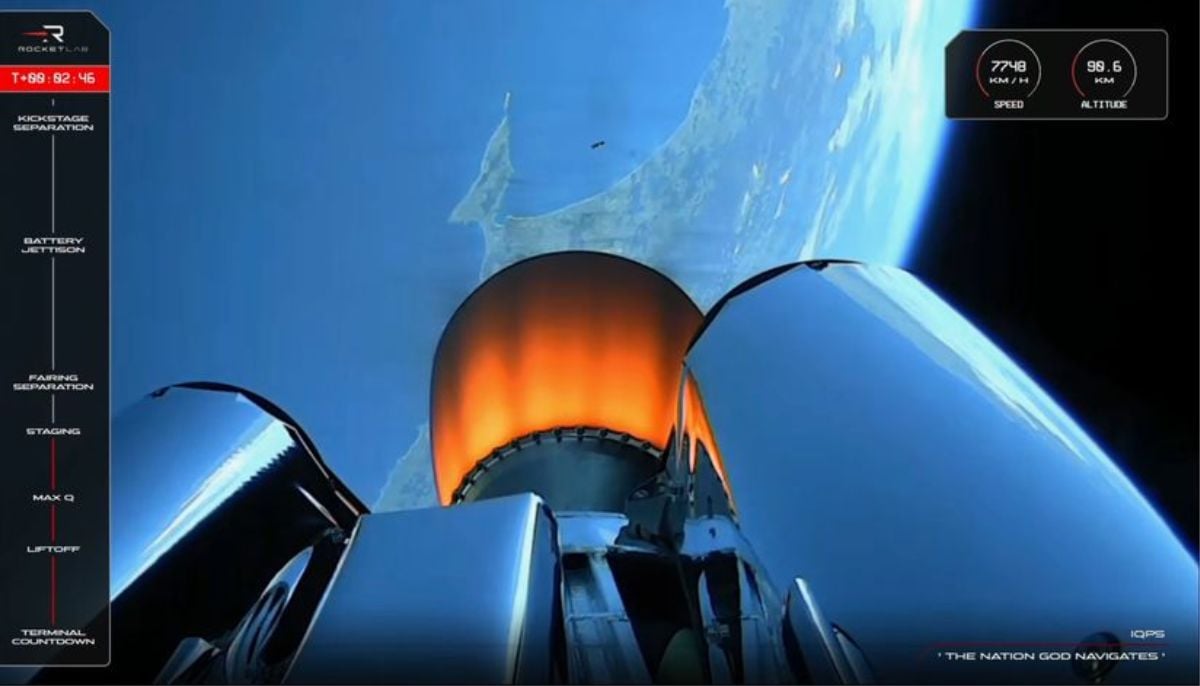
The recent launch deployed the Rapid Innovative Payload Demonstration Satellite-4 (RAISE-4 to a circular orbit 336 miles above Earth, where it was positioned about 54.5 minutes after launch.
The “RAISE and Shine’’ mission set a new annual launch record of the year for Rocket Lab, which has now launched 19 missions in 2025.
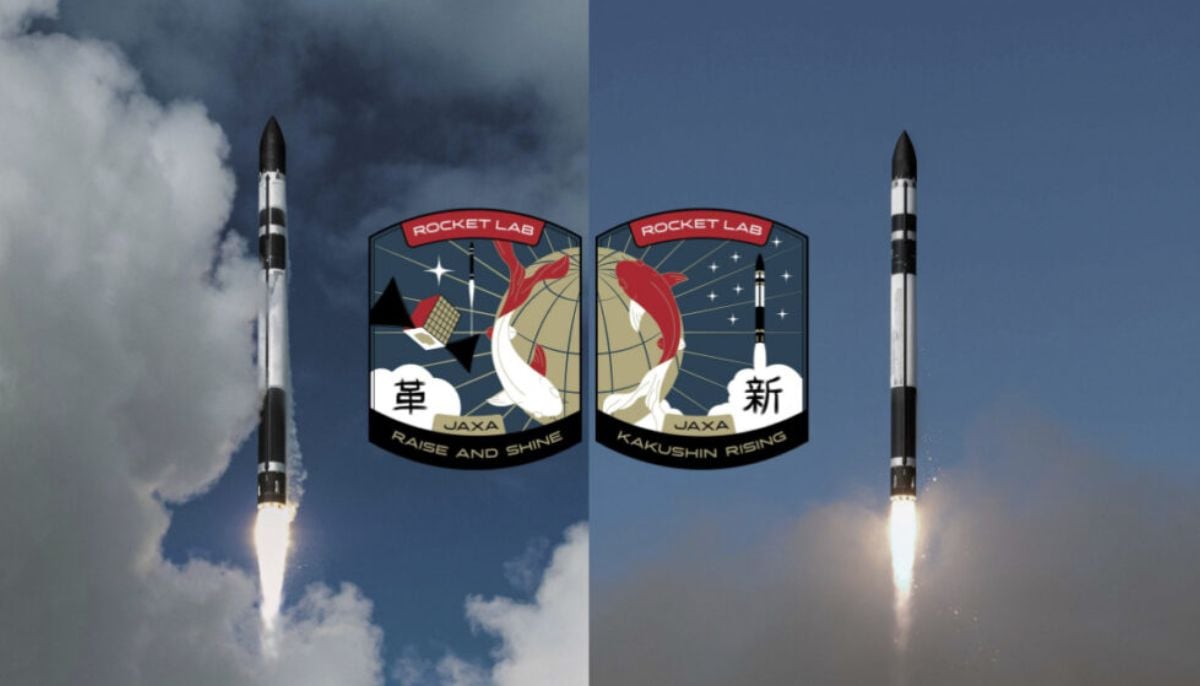
The other three were suborbital flights with HASTE, a modified version of the Electron designed to test customers' test hypersonic technologies at the edge of space.
The recent successful launch extends the company’s annual launch record and highlights the dependability and high demand for the Electron rocket among global government agencies.






-
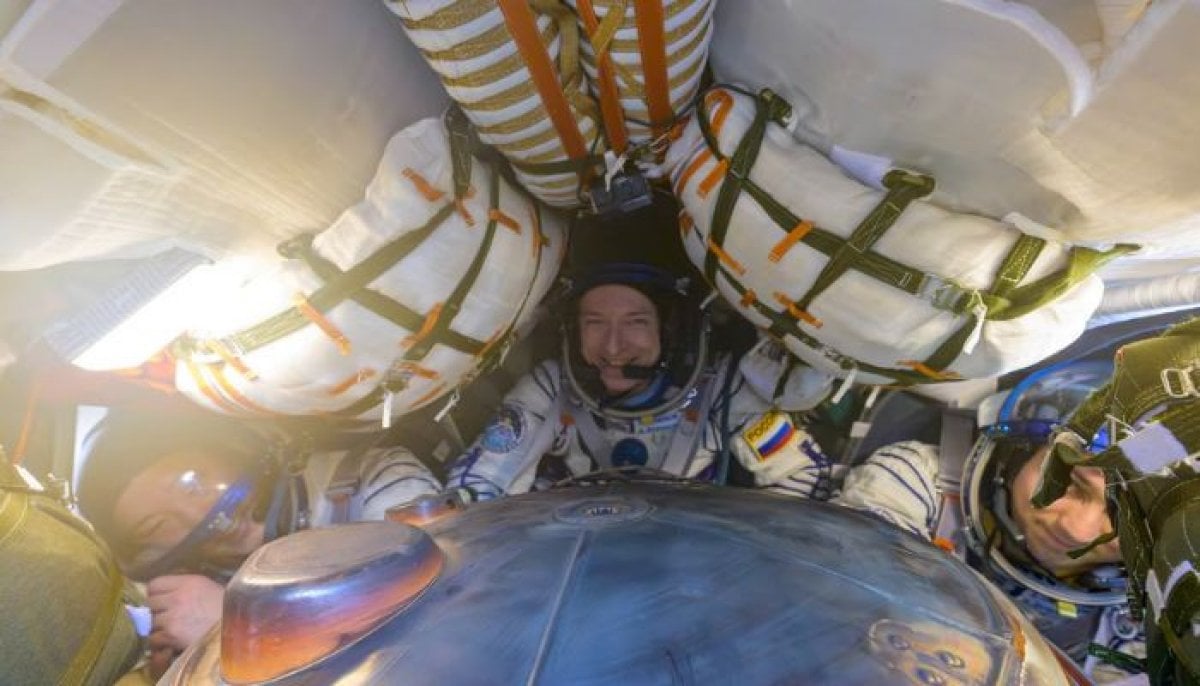 US-Russian space crew returns to Earth after eight-month mission on the International Space station
 -
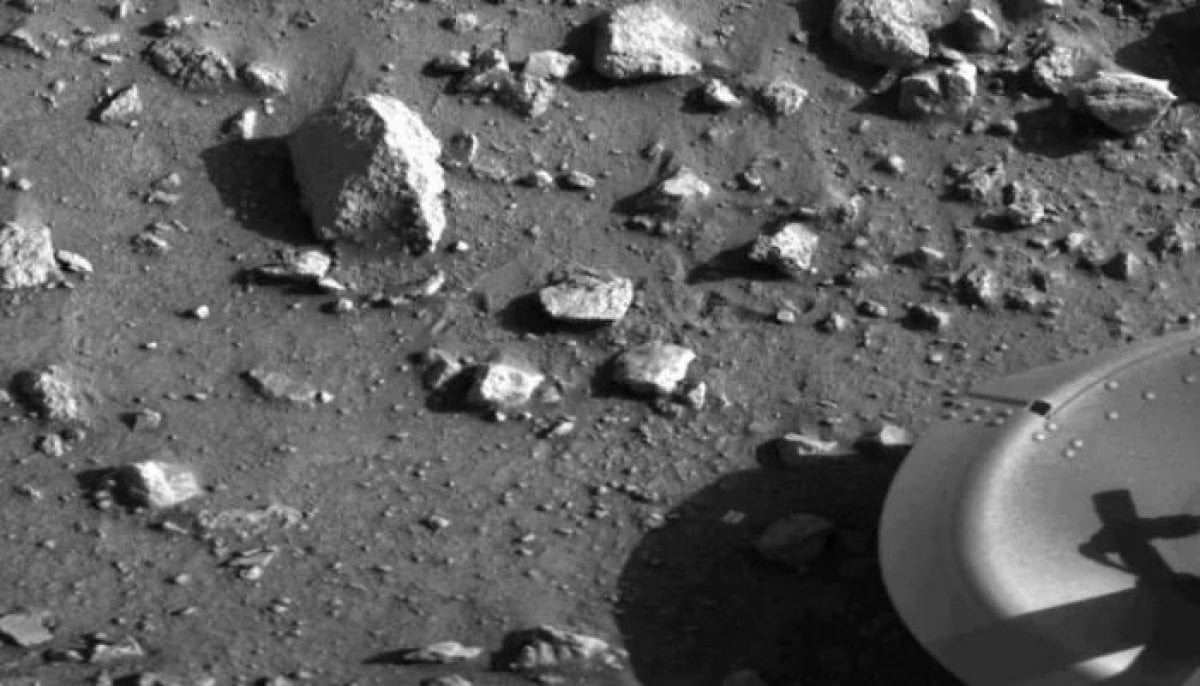 Viking 1 mars landing: 50 years since first photos
 -
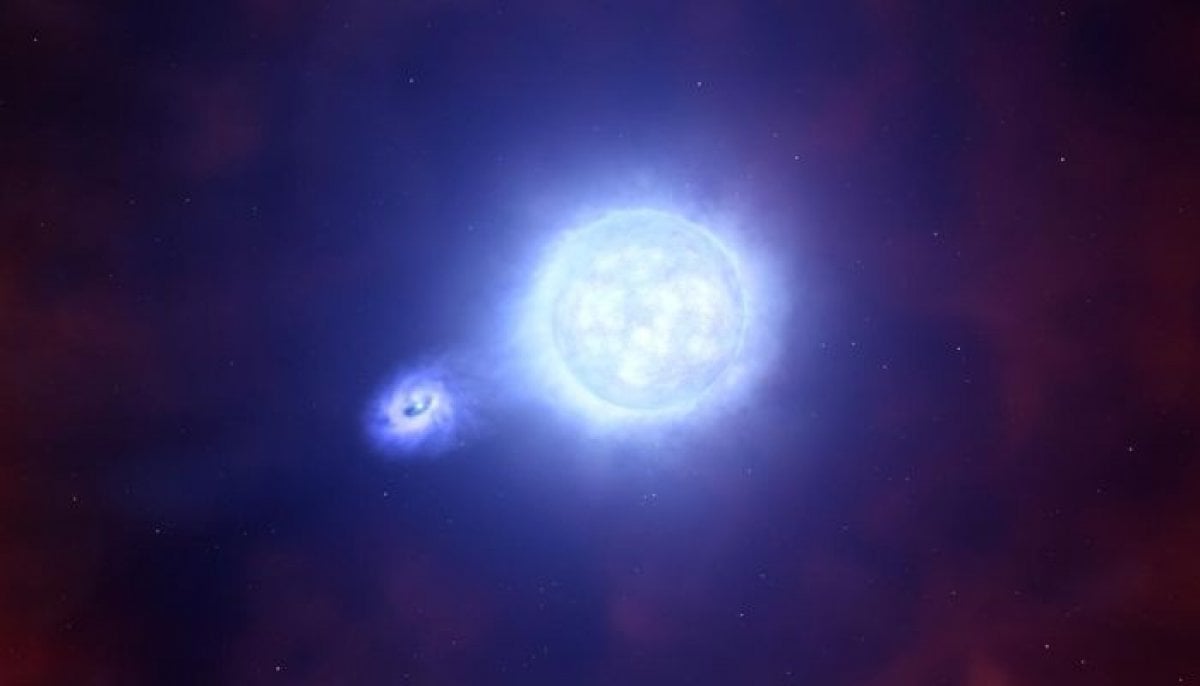 Four hidden dead stars found in Earth's backyard
 -
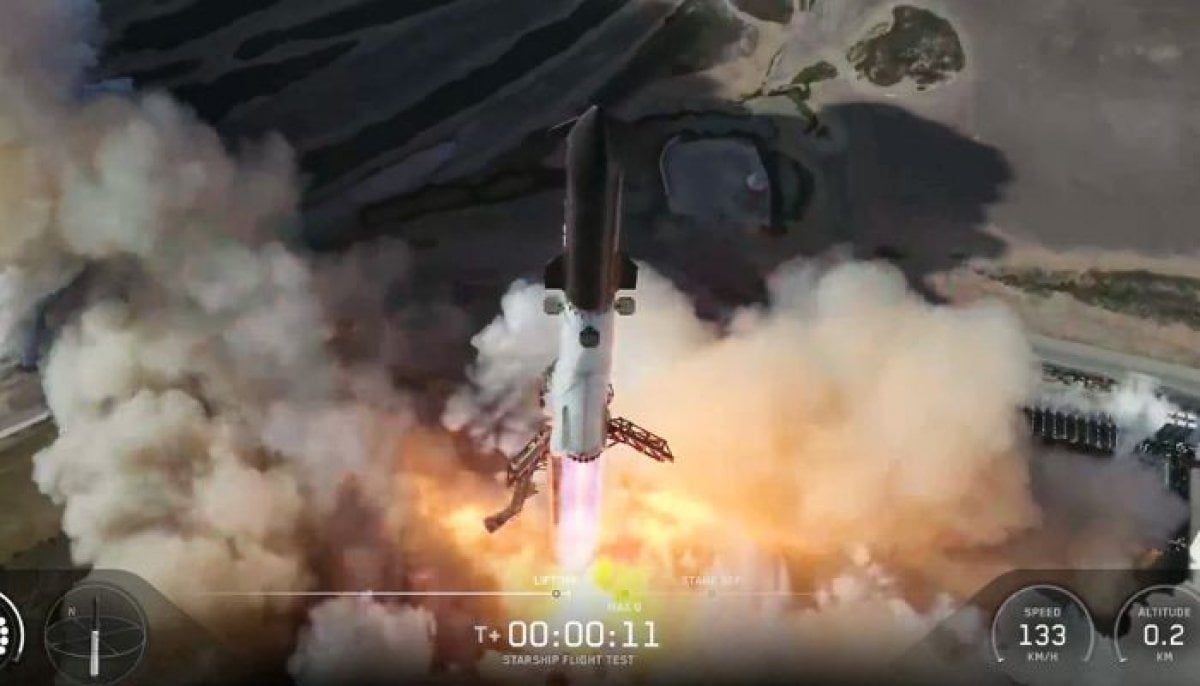 What happened during SpaceX’s 13th Starship test? First upgraded Starlinks successfully deployed
 -
 Astronomers may have found the first moon beyond our solar system
 -
 Space datacenters could catastrophically pollute Earth, groups warn
 -
 Astronomers just solved a 10-billion-year-old Milky Way mystery
 -
 Why China is crashing a spacecraft into asteroid 2015 XF261