Geminid meteor shower is set to dazzle night sky this weekend; Here’s how
The meteors are visible all across the world with enchanting views
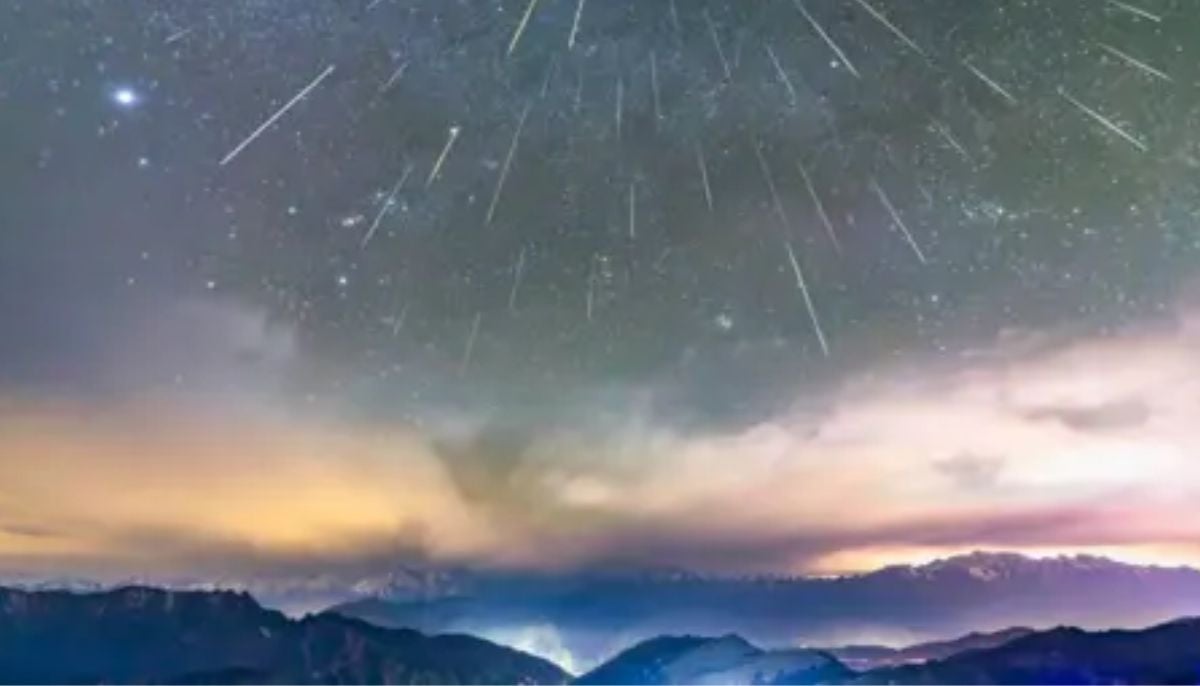
The Geminid meteor shower, one of the most spectacular annual displays, is set to reach its peak intensity this weekend, providing skygazers with a remarkable natural light show.
The skies are clear in the UK, and a sickle-shaped crescent Moon will only rise after midnight which specially means several hours of dark skies to see the meteors more clearly.
What is the Geminid meteor shower
Meteor showers occur when Earth passes through the stream of debris-icy objects which Nasa calls cosmic snowballs, or in exceptional cases including the Gemininds, asteroids, which are bouldered.
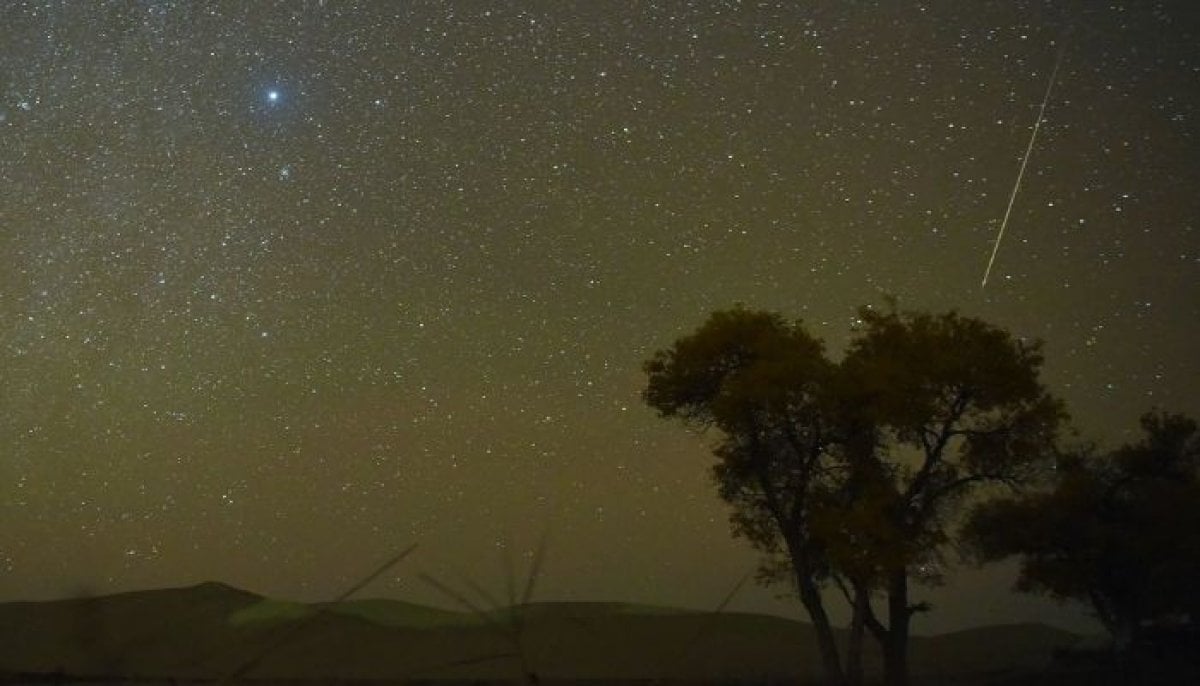
Commonly meteors appear white; some can gleam green, yellow, red, or blue specifically based on the elements in the material as it heats up in Earth’s atmosphere.
The Geminids offer one of the year’s best chances to view a shower due to the volume and recurrence of its shooting stars.
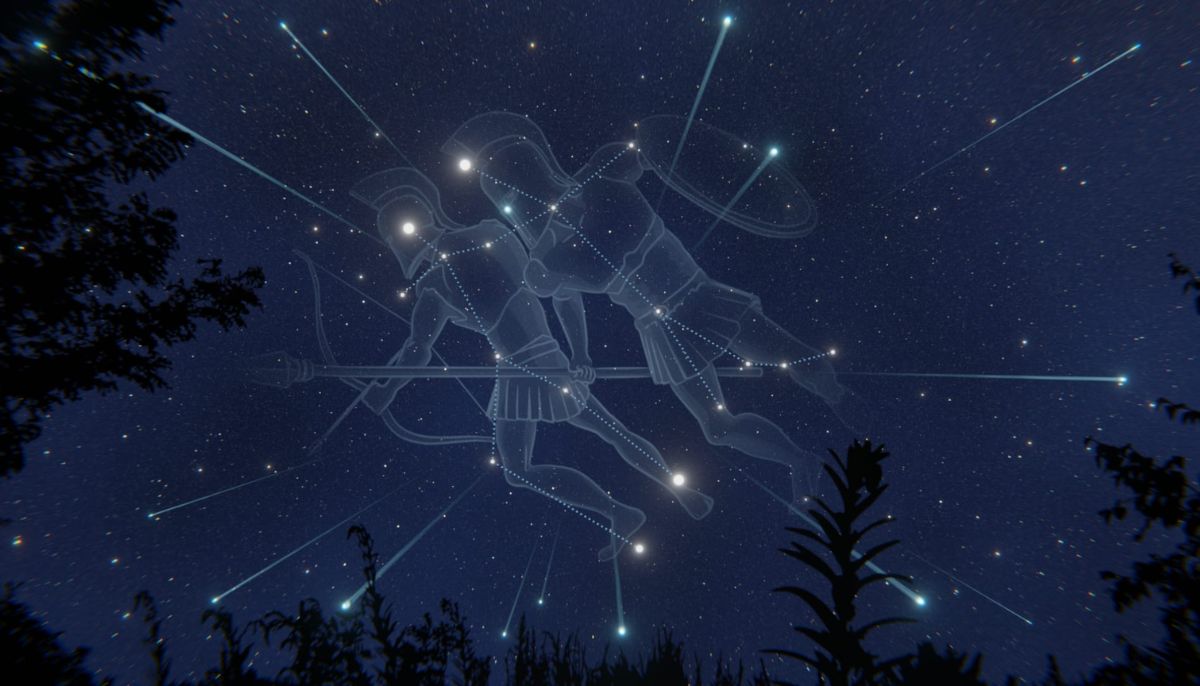
Tips for stargazers to view the intriguing views at night
The 2025 meteor shower will be the peak on 13-14 December.
The Geminoids are visible to the naked eye and are best enjoyed under dark, open skies, so you don’t need a telescope or binoculars.
The meteors appear to emanate from the constellation of Gemini, but looking slightly away from the point often provides the most extensive view.
What is the expected weather for the Geminids peak?
The Geminids meteor shower peaks on Sunday 14 December. It seems the weather in the UK is not ideal for viewing.
According to the weather forecast, both Saturday and Sunday are expected to be windy and cloudy, with downpours of rain during the day and night.
Northern Scotland and the Northern Isles, as well as parts of East Anglia and southeast England are in the best position to get a glimpse of the night sky.


-
 Chinese astronomers discover real-life three-body system unlike Liu Cixin’s fiction
 -
 Hunter’s Moon 2026: When and how to watch October’s full moon
 -
 Elon Musk’s Mars colonization dream faces reality check from Nobel laureate
 -
 NASA competition model 2.0 cuts mission selection by 45%
 -
 A ‘neglected’ neutrino may hold the key to why the Universe exists
 -
 Can cancer drugs be made in space? Here’s what the new mission aims to find out
 -
 SpaceX Falcon 9 successfully launches Bandwagon-5 mission with 32 payloads
 -
 Europe launched 8 orbital rockets last year, can it rival Starlink?