Sea urchin species deadly undersea outbreak could reshape marine ecosystems worldwide
The marine pandemic is a significant cause of population collapse globally
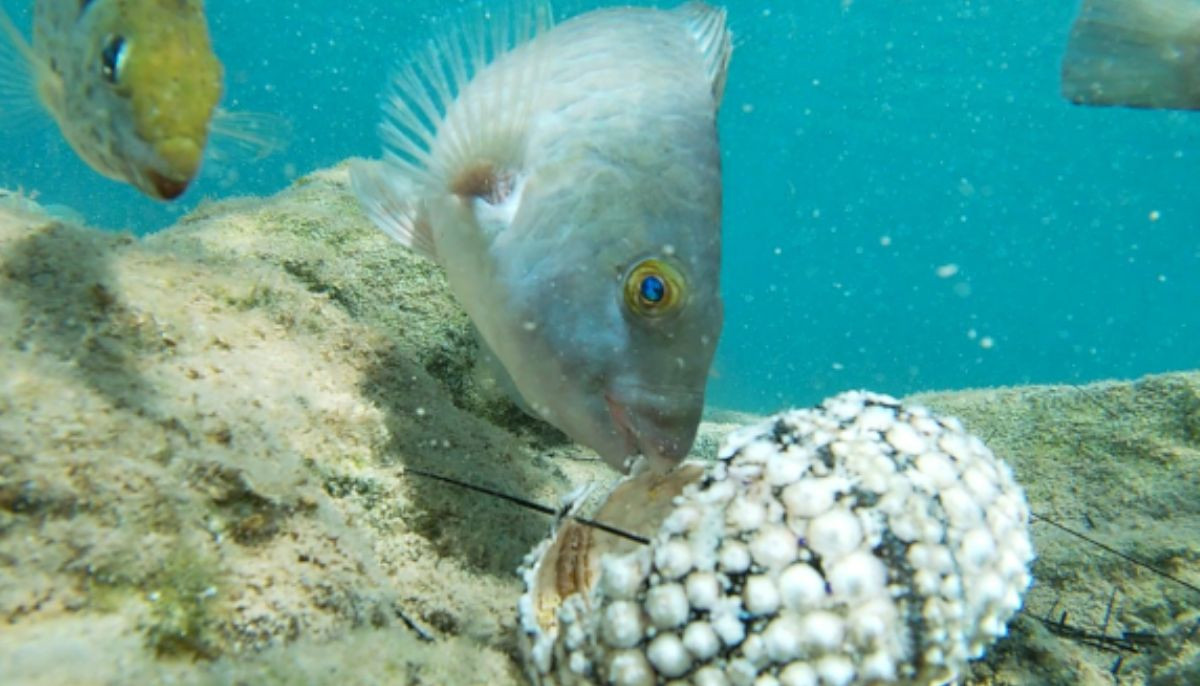
A surprising study has revealed that an unrecognized marine pandemic is causing mass mortality in bringing some sea urchin species to critical endangerment and causing some populations to vanish altogether.
Diadema africanum urchins in the Canary Island archipelago have almost completely been killed by an unknown disease.
As reported by the Guardian, the data showed a 99.7% population decline in Tenerife, and a 90% decline off the island of the Madeira archipelago.
A large number of deaths have been analyzed in species from the Red Sea, Mediterranean, Caribbean, and Western Indian Ocean.
Sea urchins are remarkable creatures, predominantly known as relatives of the starfish. It has been observed that they inhale through their feet.
While their spikes are an impregnable barrier against predators, they also provide sanctuary for smaller marine creatures.
They are specifically known as “ecosystem engineers”, which have a significant impact within their surroundings by foraging on algae, providing food for other animals, and breaking down organic matter.
In addition, by restricting algal growth they promote the survival of hard coral. Their decline has been acutely felt in Caribbean reefs, where coral cover has halved and algal cover has surged by 85%.
The Diadema genus, which inhabits tropical waters across the world, is disseminated frequently and ecologically important to the urchin family.
A researcher at the University of La Laguna and author of the study said, “We aren't sure how this pandemic evolved. It seems not to have spread to other populations in South Asia and Australia, but we cannot rule out the possibility that the disease will reappear and potentially spread further.”
The recent analysis demonstrated that without these grazing urchins, the rehabilitation of already damaged coral reefs will be hindered globally.


-
 New study explains 364-day Qumran calendar puzzle
 -
 Why does time feel faster as you age? Science explains
 -
 Scientists name newly discovered snake after Guns N' Roses' Slash
 -
 SpaceX secures three new NASA crew flights: What to know
 -
 Sovereign AI fund in talks to back Political Sciences: What to know
 -
 What recent discovered Moon Crater Means for Future Astronauts
 -
 Scientists discover new wild cat species in Bolivia for the first time in a century
 -
 SpaceX turns to failed startups for AI training: Here’s why