Seeing Saturn, Jupiter with telescope: Tips for amateur astronomers
The two telescopes help you to see the intriguing Saturn’s rings and the equatorial bands of Jupiter
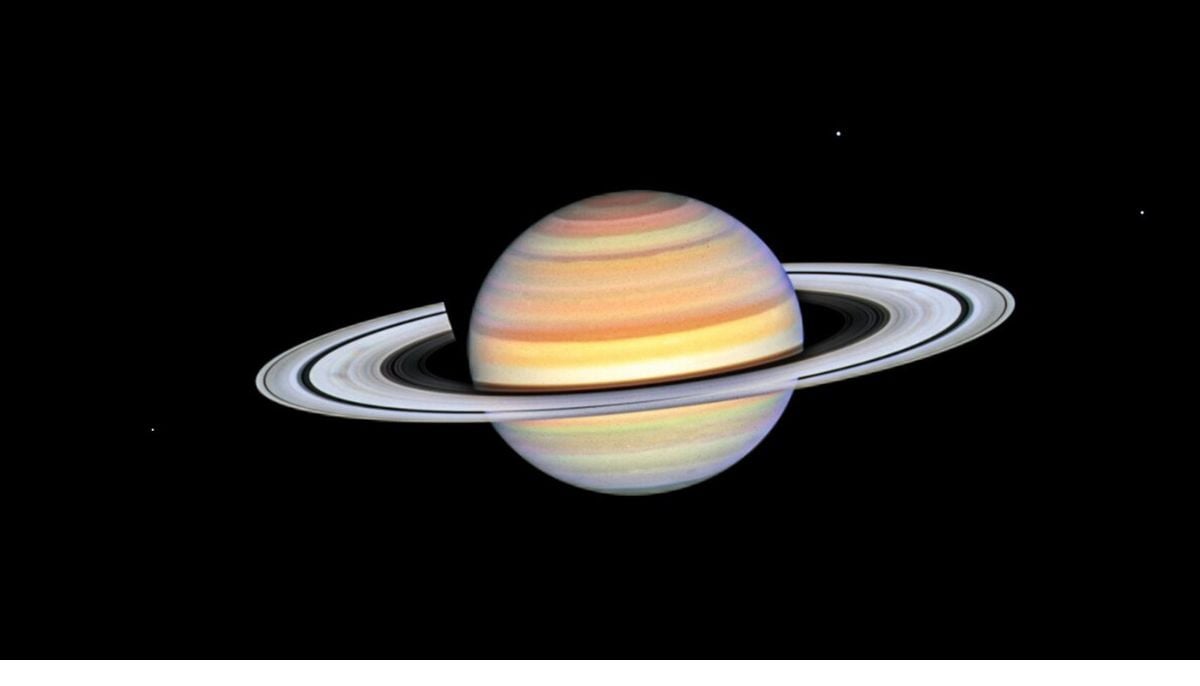
The year 2025 is about to end and an intriguing glimpse of Saturn and Jupiter can be observed with the best beginner telescopes.
Primarily, the best time to examine any outer planet is about a month on either side of its opposition, which is when Earth passes directly between the planet and the Sun.
It has been observed that this time is crucial as the distance between the planet and Earth is the shortest, but the planet shines brightest in the sky.
Saturn reached opposition on September 21, 2025, and will reach opposition again on October 4, 2026, while Jupiter reached opposition on January 10, 2026.
How to see the intriguing look of Saturn’s rings and Jupiter’s cloud bands?
For the minimum requirement, you’ll need at least a 50mm/2-inch aperture refractor and a 25mm eyepiece to see Saturn’s rings and Jupiter’s cloud bands.
It is recommended to aim for an aperture of 102mm(4-inch) or even 125mm(5-inch) to achieve enough detail to make an impression.
However, one may be able to see the Cassine Division-a dark gap in Saturn’s rings and Jupiter’s Great Red Spot.
In this connection, the Celestron inspire 100AZ, a 4-inch refractor will perform as well with planets as a 5-inch reflector like the Celestron StarSense Explorer DX 130AZ.
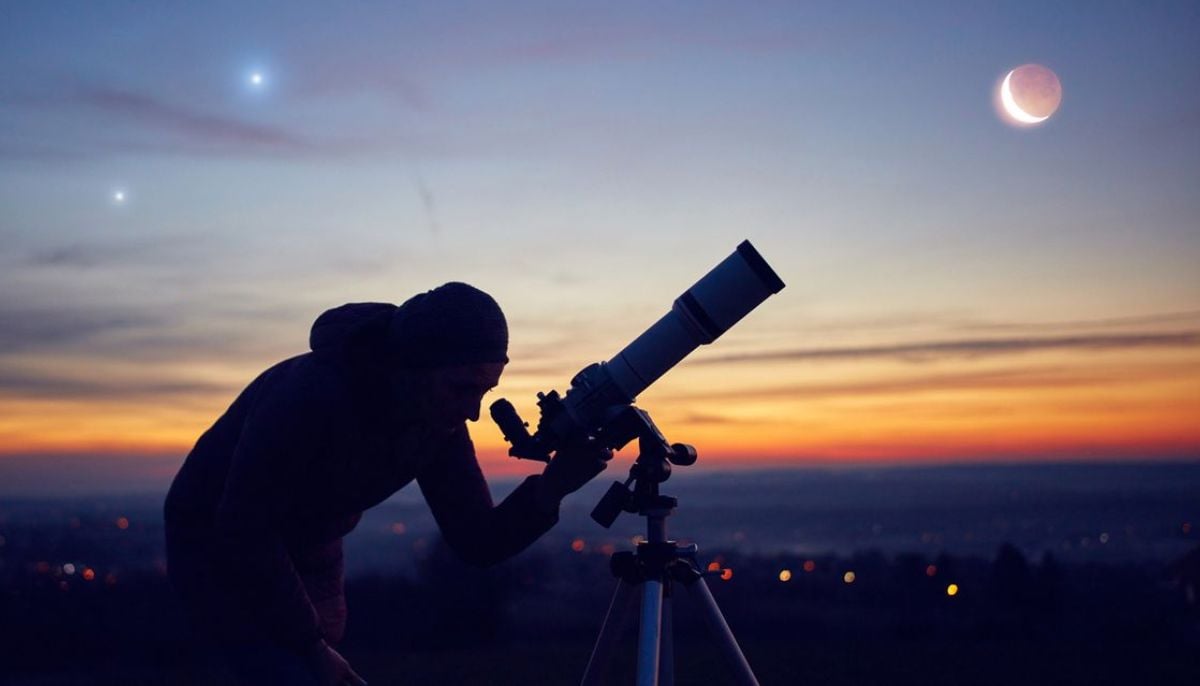
In order to get a more advanced look, telescopes such as Maksutov-Cassegrain and Schmidt-Cassegrain models should be used because they gather more light and have a narrower angle of view, allowing for magnification up to 150x.
A large number of telescopes are solely based on the magnification number, and the successful viewing depends upon the dynamic combination of preparation and proper equipment usage.
Nonetheless, amateur telescopes will provide stunning views of the solar system giants, making the experience one of the most rewarding in astronomy.


-
 Blue Moon 2026: How it highlights the mechanics of our Solar System
 -
 Biden seeks to block release of audio from interviews in lawsuit against Justice Department
 -
 British Gas launches fixed energy tariff that cuts bills if prices fall
 -
 Nvidia plans $150 billion annual investment push in Taiwan, as AI boom accelerates
-
Blue Moon 2026: How it highlights the mechanics of our Solar System
-
 China sends artificial embryos into space—Could humans reproduce in zero gravity?
 -
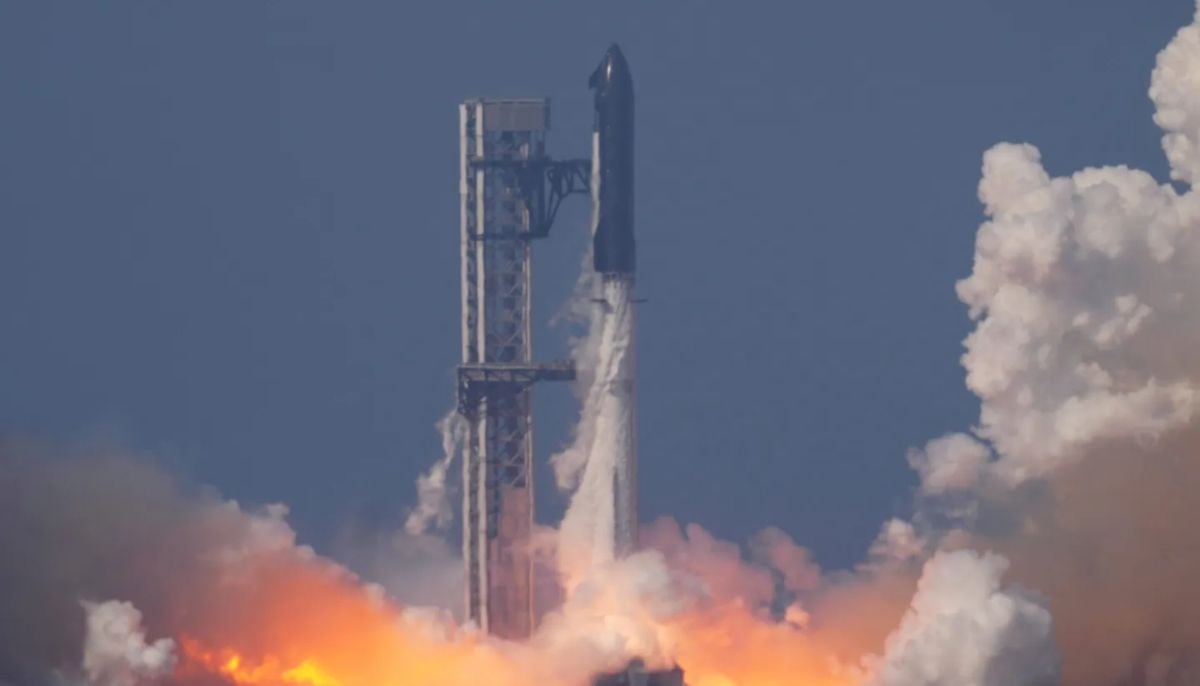 SpaceX IPO buzz intensifies as strategists debate $2 trillion valuation
 -
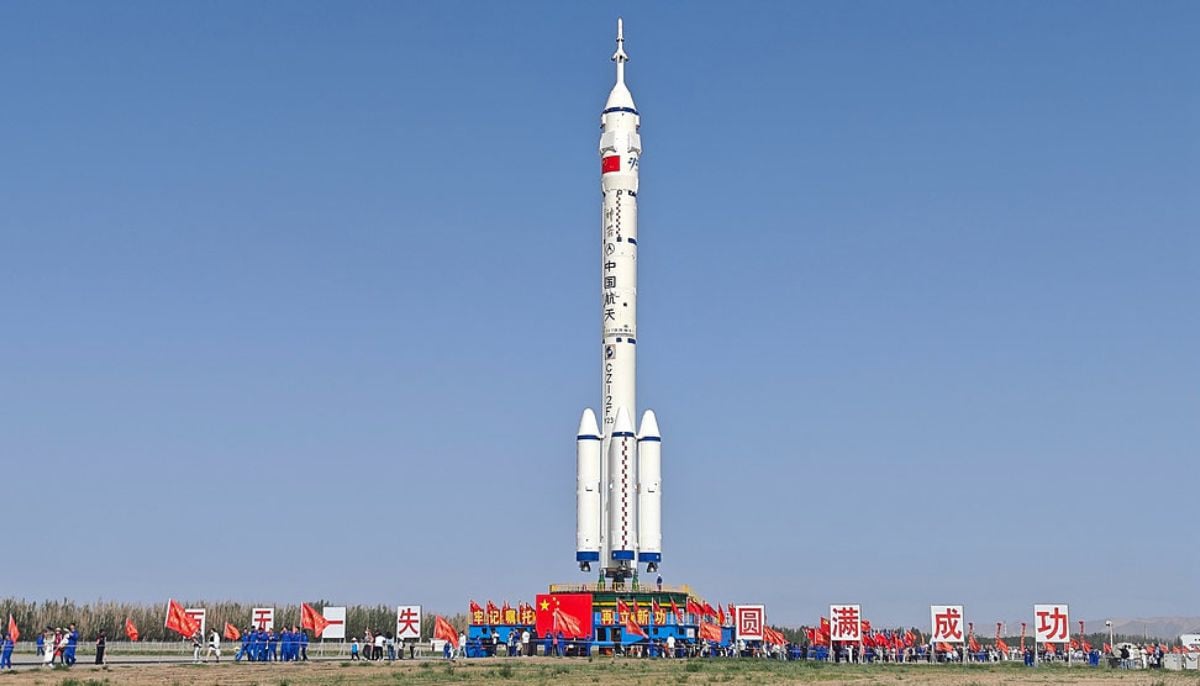 China to launch Shenzhou 23 crew to Tiangong space station
 -
 Antarctic blizzard sends fuel containers floating on an iceberg: Here’s why
 -
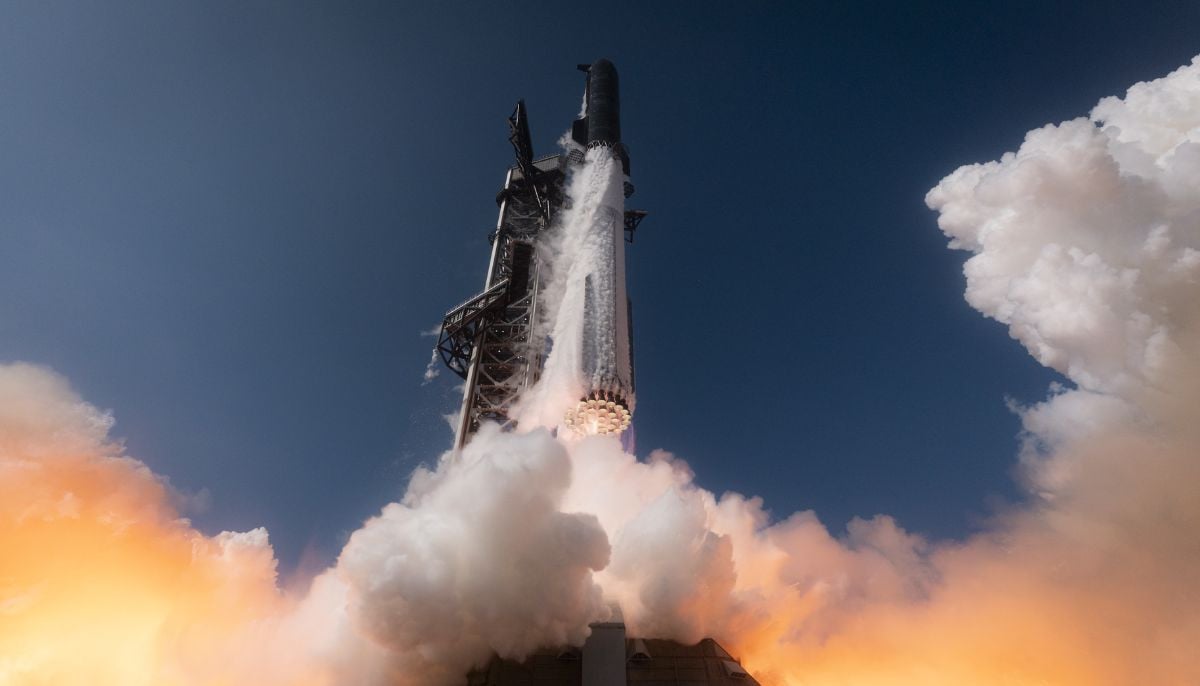 SpaceX Starship test flight succeeds despite engine failures
 -
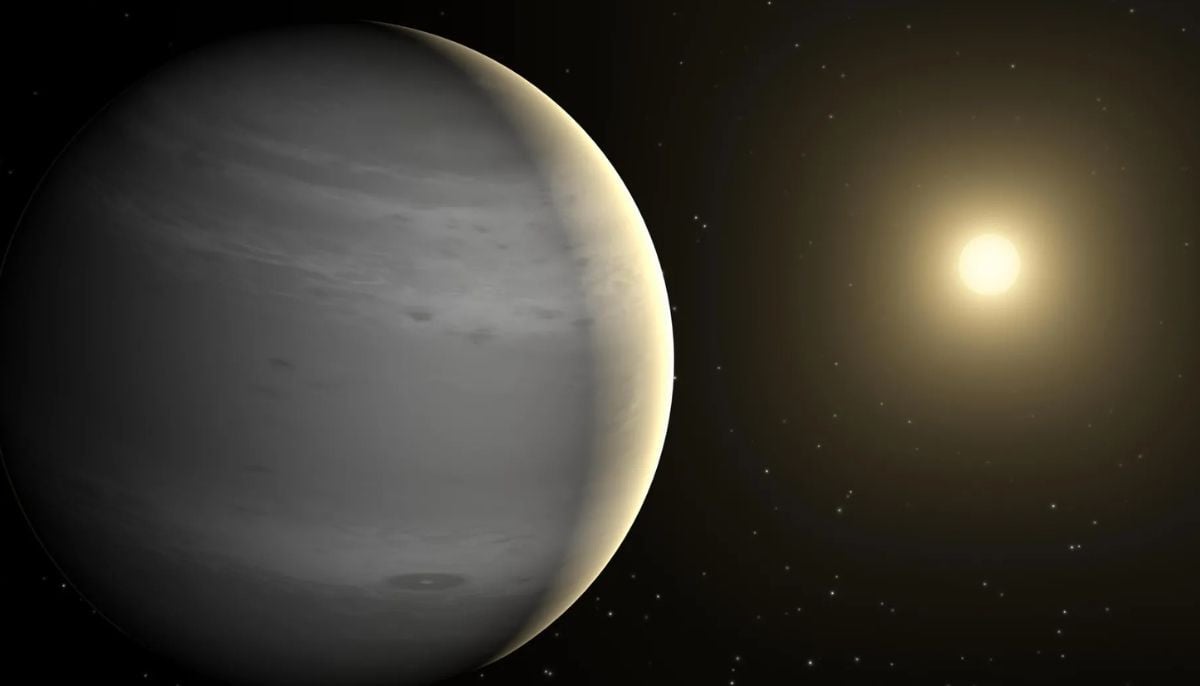 Is this Earth 2.0? NASA’s James Webb telescope spots ‘rare’ giant exoplanet
 -
 SpaceX Starship launch delayed again: Here’s what went wrong
-
 Why do scientists think Neptune’s moon Nereid survived violent cosmic collision?
 -
NASA set to unveil major Moon Base strategy and mission update
-
SpaceX’s upgraded Starship V3 ready for high-stakes test flight: Where to watch live
-
Scientists hatch live chickens from 3D-printed eggshells: Could artificial wombs be next?