Mysterious crackles on Mars believed to be lightning, scientists say
Lightening on Mars has been discovered for the first time
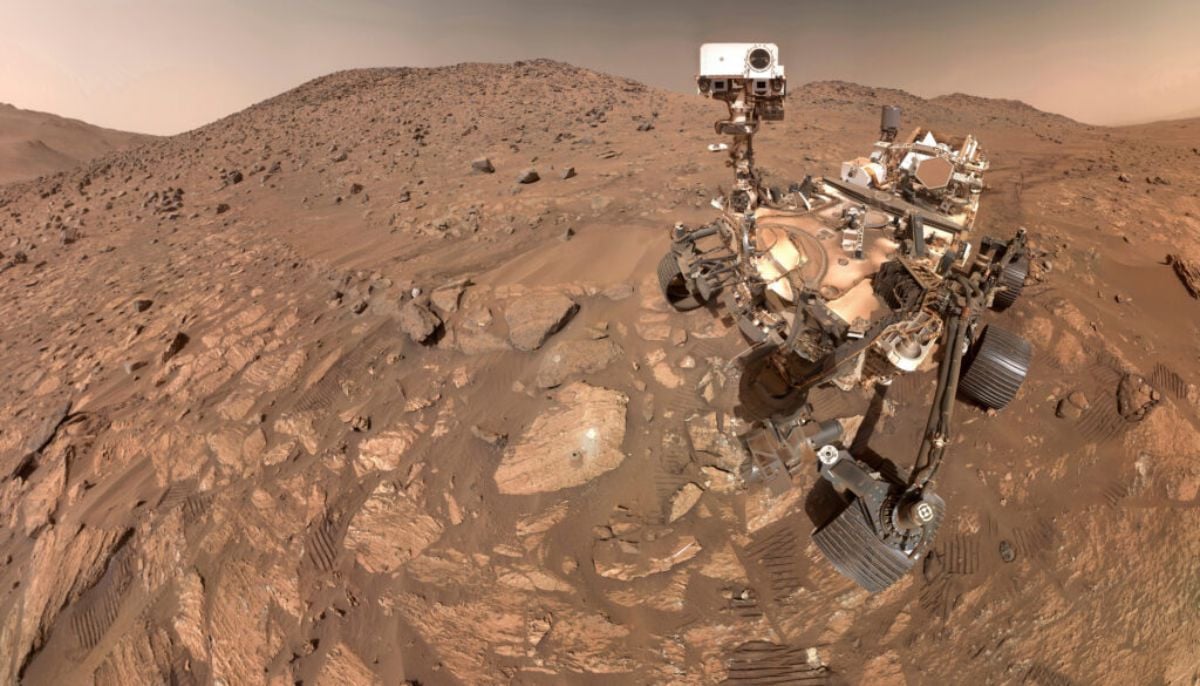
Scientists have successfully detected lightning on Mars for the first time by capturing the crackling sounds of electrical discharges using NASA's Perseverance rover.
The crackling sound of discharges was primarily captured by a microphone on the rover, according to a French team’s report published Wednesday.
However, researchers catalogued 55 instances of what they call “mini lightning” over two Martian years, mainly during dust storms and devils.
It has been observed that they have occurred on the blustery days of dust storms.
Scientists have been looking for lightning for a longer period of time, and its detection opens a new field of investigation for Mars science.
Lightning has been established on Jupiter and Saturn, and Mars has long been suspected of having it.
Chide and his team specifically analysed 28 hours of Perseverance recordings, demonstrating intriguing episodes of mini-lightening based on acoustic and electric signals.
For the first time, electrical discharges by the thunderstorm outflow lingered as long as 30 minutes.
According to study’s lead author Baptiste Chide, Mars’s atmosphere is more prone than Earth’s to arcing and sparking through contact among dust grains.
The current evidence suggests that it is unlikely for large lightning strikes to occur, the small and frequent electrostatic discharges could prove damaging to sensitive equipment.
These current developments are not the first Mars sounds transmitted by the Preservance rover, but this newly detected acoustic signature, linked directly to the planet’s ubiquitous dust environment, and the buzz of its no longer flying helicopter, must be factored into future environmental models.


-
 ‘It's time to say goodbye’: Gary Stevenson pauses YouTube channel amid mental health struggles
 -
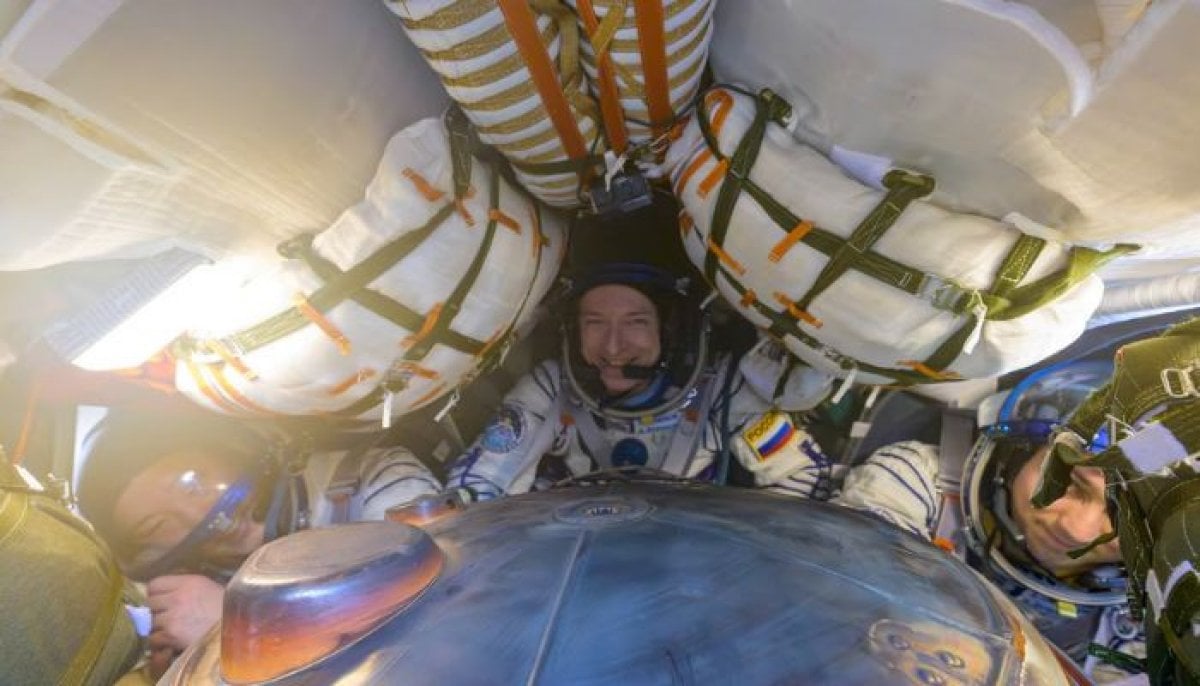 US-Russian space crew returns to Earth after eight-month mission on the International Space station
 -
 Lamine Yamal’s girlfriend Ines Garcia hits 4 Instagram followers after Spain’s World Cup win
 -
 Are we closer to a real-life ‘genie’ that grants any wish: Here's what Sam Altman thinks
-
US-Russian space crew returns to Earth after eight-month mission on the International Space station
-
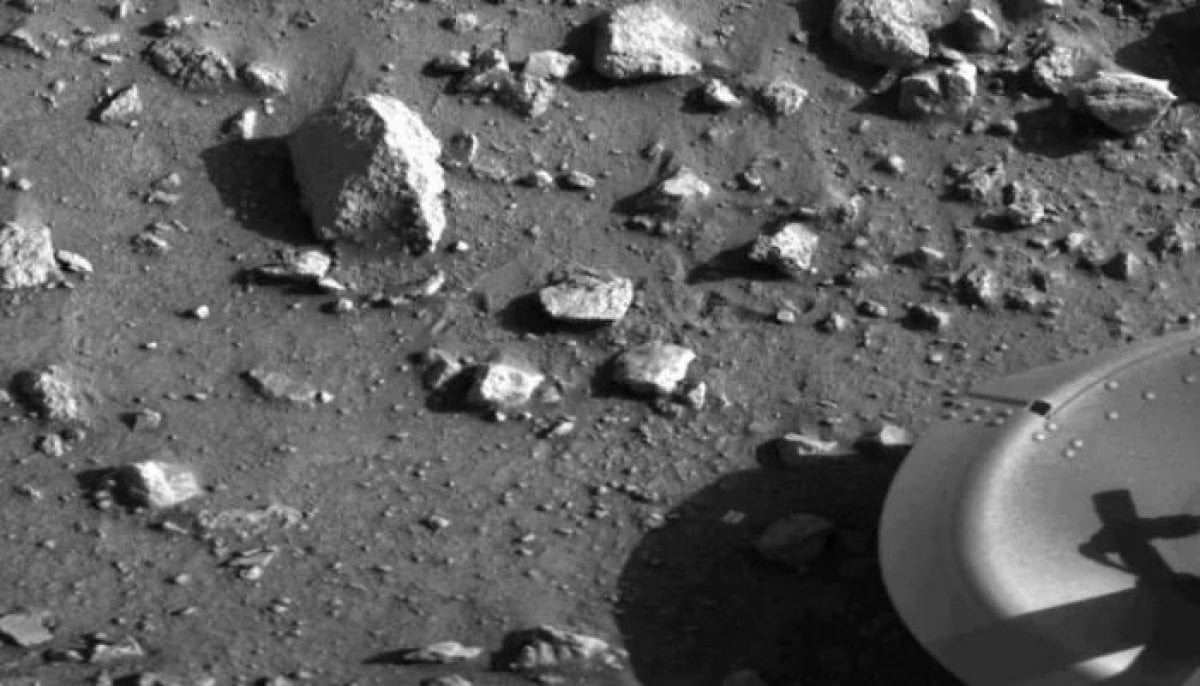 Viking 1 mars landing: 50 years since first photos
 -
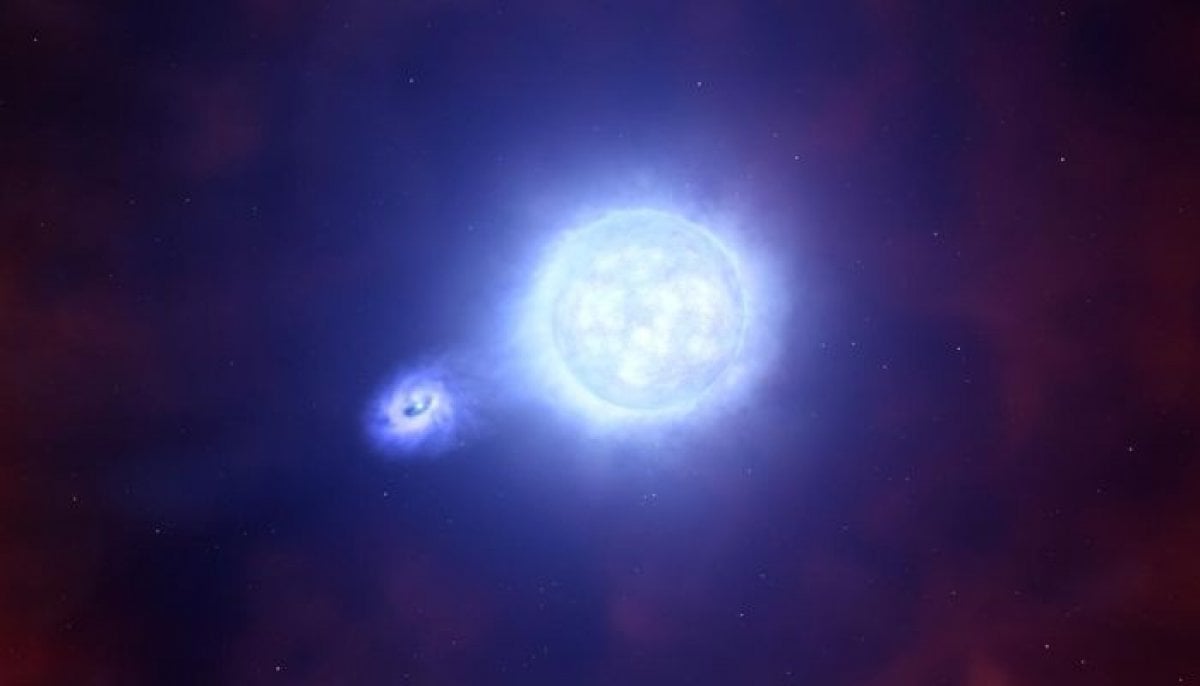 Four hidden dead stars found in Earth's backyard
 -
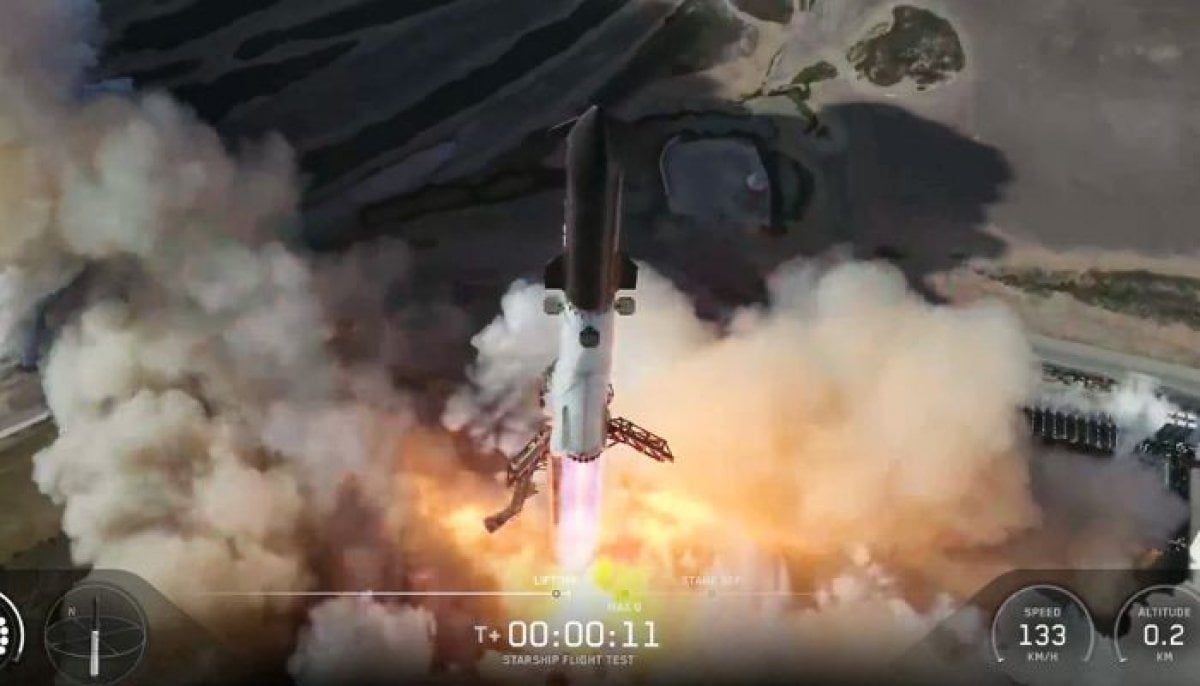 What happened during SpaceX’s 13th Starship test? First upgraded Starlinks successfully deployed
 -
 Astronomers may have found the first moon beyond our solar system
 -
 Space datacenters could catastrophically pollute Earth, groups warn
 -
 Astronomers just solved a 10-billion-year-old Milky Way mystery
 -
 Why China is crashing a spacecraft into asteroid 2015 XF261