Chinese scientists develop new artificial tongue to measure spiciness in seconds
The artificial tongue was developed to accurately measure the spiciness without the assistance of human tasters

Chinese scientists have made a ground-breaking discovery of a gel-based artificial tongue capable of accurately measuring the levels of spiciness.
The prime motive behind this development is to avoid intense sensation and watery eyes.
In this connection, a professor at East China University of Science and Technology said, “The evaluation of spiciness is highly subjective.”
The researcher shared their viewpoint that current development of a new material would open ways to measure spiciness without relying on human senses.
The recent concept is based on a widely accepted universal solution: milk can help soothe the burning sensation caused by chilli peppers. This is because milk proteins cohere with capsaicin, the compound accountable for the heat in peppers.
In this regard, the team generated a flexible gel imbued with milk proteins.
It has been observed that when the gel comes into contact with capsaicin, the proteins attach to it and block the flow of ions within the gel.
The gel is quantifiable for the pungency of garlic, onion, ginger, and similar materials.
This innovation offers a standardized method for maintaining quality control and medical treatment, and opens the door for incorporating testing in today’s humanoid robots for routine spiciness measurements.
In addition, it serves as a crucial development for further integration of the material with humanoid robots, aiming to extend its applications in daily life.


-
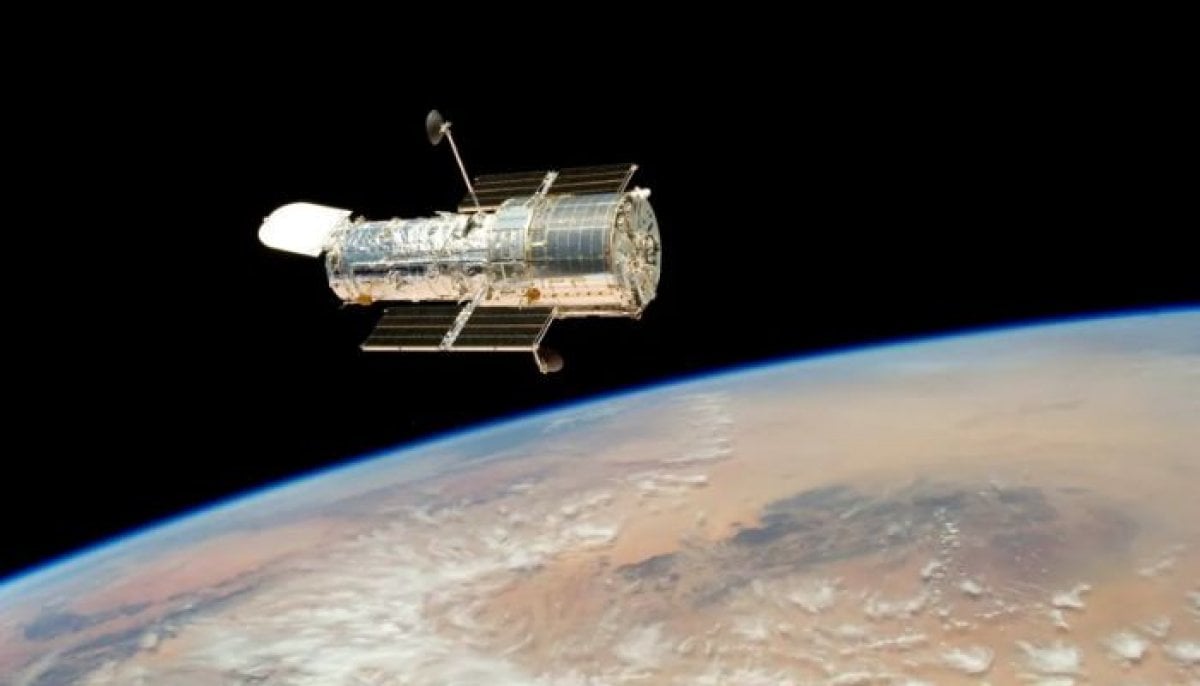 36 years on, Hubble shows how stars actually change over time
 -
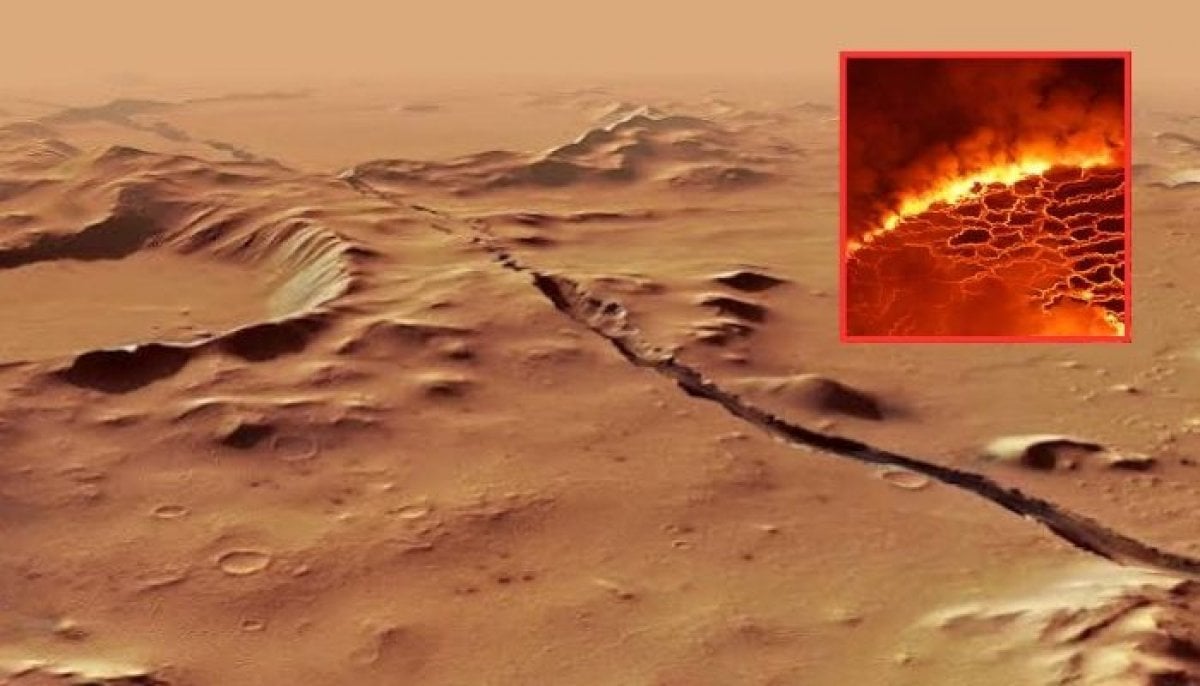 Hidden magma beneath Mars? Scientists' 'unexpected' discovery raises new questions about alien life
 -
 Rare 3,200-year-old coral blue hole discovered in South China Sea
 -
 What happens at black hole’s event horizon? Scientists find the first-ever clue
 -
 Scientists discover evidence of fires used by humans 1.8 million years ago
 -
 Did NASA just uncover evidence of ancient life on Mars? Key discoveries explained
 -
 Four powerful earthquakes strike three continents within hours: Scientific link or coincidence?
 -
 Mysterious interstellar comet passing our solar system may be 12 billion years old, scientists say