Britain households to face rise in energy bills
Changes in gas and electricity prices in Britain will be applied from January 2026
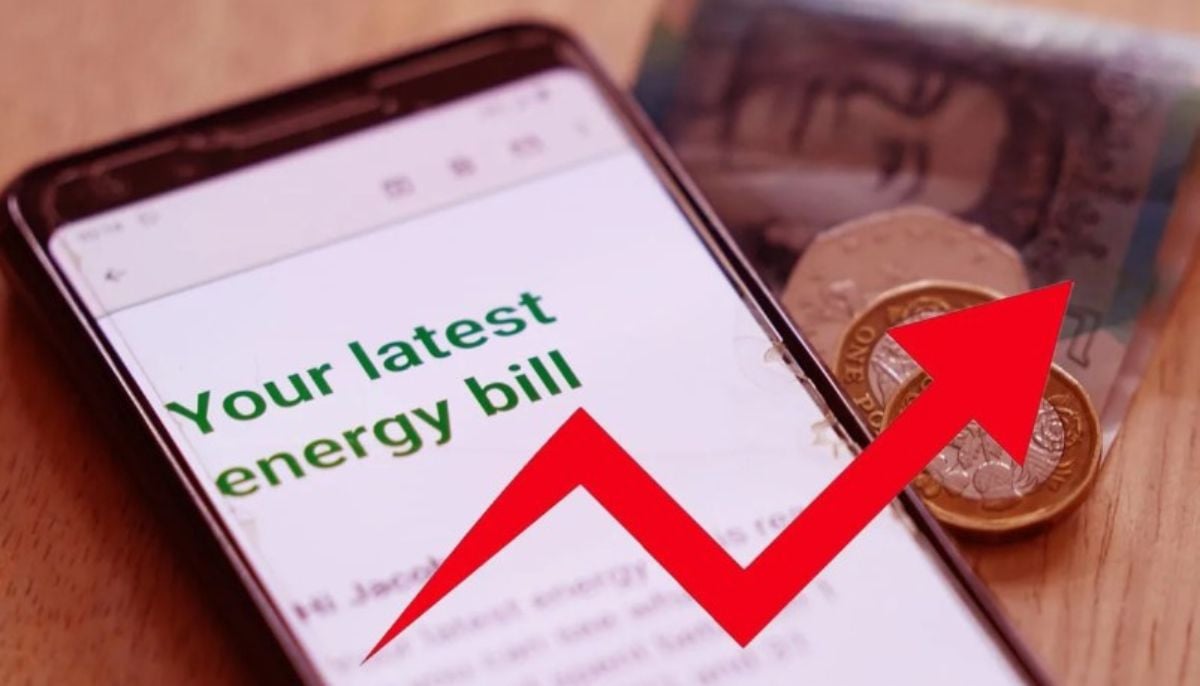
In Britain’s new energy tariffs, millions of households in the UK will face a rise in energy sector including gas and electricity prices.
The 0.2% increase from current price cap will take effect from January 2026 which will affect those on variable tariffs in England, Wales and Scotland.
According to the Office of Gas and Electricity Markets Ofgem, gas and electricity bills remain relatively high, as the sudden drop in temperature has brought the costs to the forefront.
"While wholesale energy costs are stabilizing, they still make up the largest portion of our bills which leaves us open to volatile prices," said Tim Jarvis, from Ofgem.
Rising electricity unit rates are behind the latest change and heavy electricity users will see the biggest impact after the price hike.
Martin Lewis, the founder of MoneySavingExpert.com, warned that households with high electricity use, and low or no gas use, will see their bills rise by 3% to 4% because the cap on electricity costs has climbed higher than the cap on gas.
Furthermore, Ofgem explains that the price cap change was driven by government policy costs and operating costs such as funding the Sizewell C nuclear Project which adds £1 a month to a typical bill.
The cap sets the maximum price for each unit of gas and electricity, not the total bill-so those who use more energy, pay more.
However, the amount used varies between households, so the best way to calculate the change is to work out the percentage change from your own usual annual bill.
Standing charges - the fixed costs that cover the cost of running the network as well as government levies - will rise by 2% for electricity and 3% for gas.
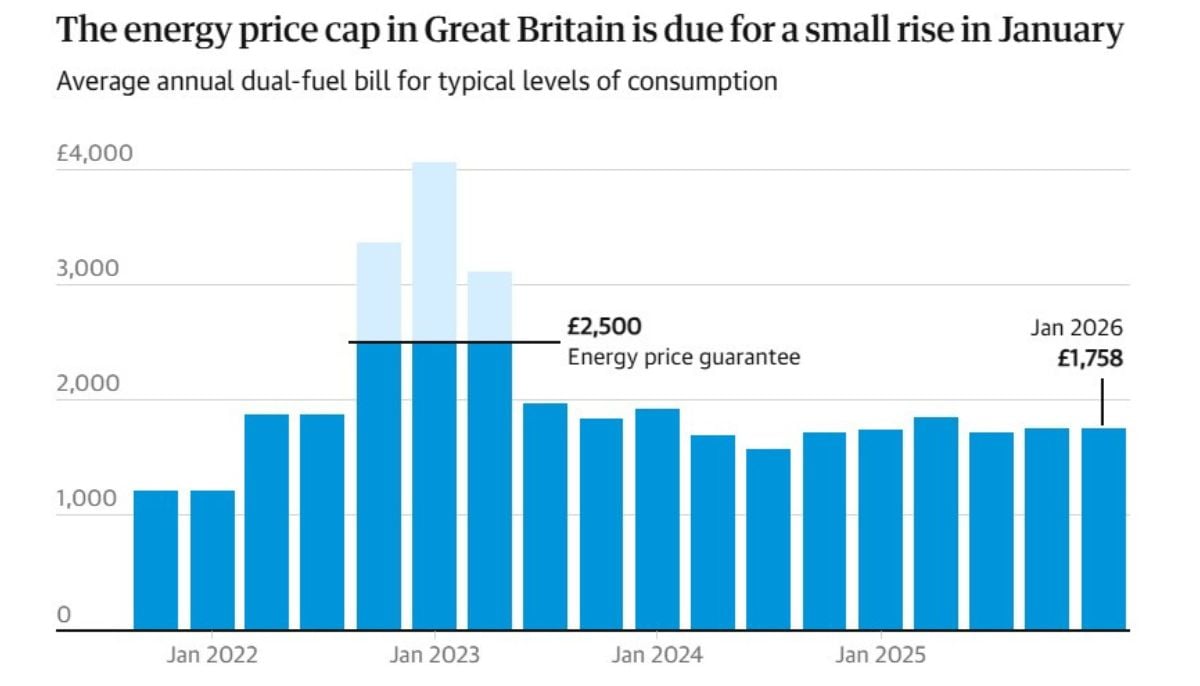
Additionally, energy price cap for average dual fuel bill will increase to £1,758 a year, from £1,755 in the current quarter, as per Ofgem.





-
 Lunar eclipse 2026: when and where to see Thursday’s near-total eclipse
 -
 Crypto CEO faces extradition from UK to US over fraud and market manipulation charges
 -
 Air Canada employees arrested in alleged Montreal airport drug smuggling operation
 -
 Alberta premier faces calls to halt separation vote as Canada-US tensions rise
 -
 Mamdani secures discounted US Open tickets for New Yorkers amid affordability crisis
 -
 Randy George was fired after being warned to drop Kid Rock helicopter probe: report
 -
 Trump escalates Canada trade war, says it is ‘time to teach’ Ottawa a lesson
 -
 Trump dismisses speculation over CIA chief Ratcliffe’s secretive Russia trip