Cambridge’s 2025 word of year: ‘Parasocial’ exposes unhealthy AI, celebrity fixation
Recent surge in modern one-way relationships with AI bots, influencers, and celebrities makes “parasocial” word of 2025
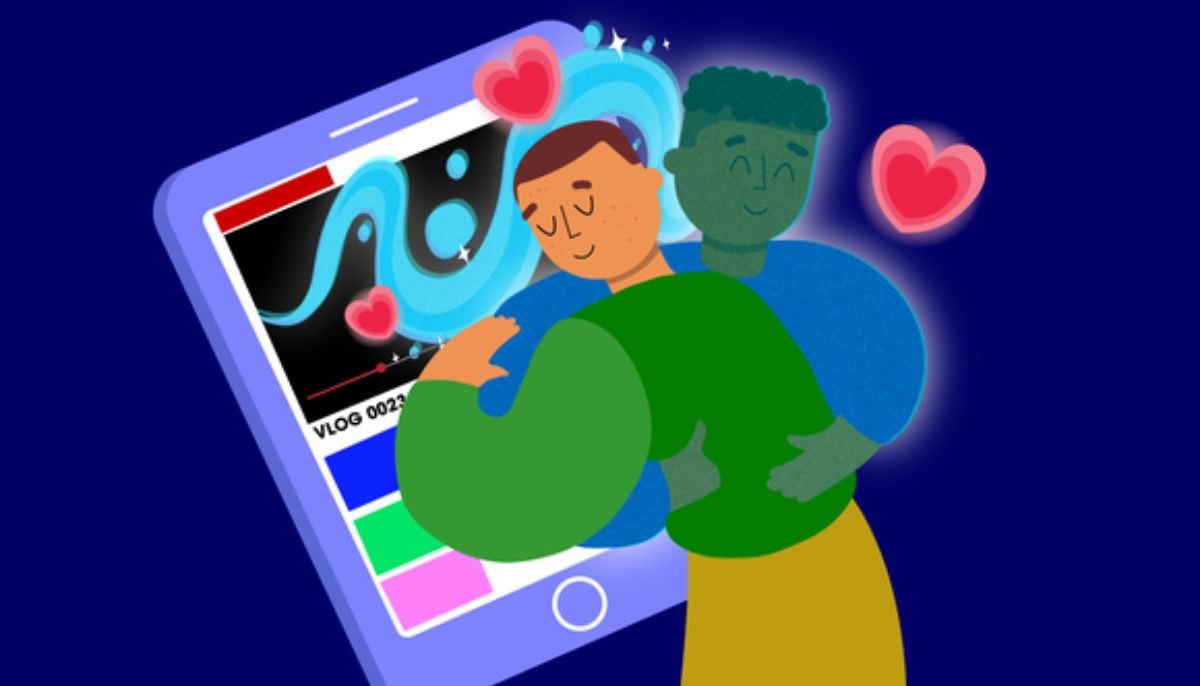
Cambridge Dictionary has crowned “parasocial” as its 2025 world of the year, exposing unhealthy bonds with celebrities and artificial intelligence.
Parasocial is defined as an attachment or connection a person feels with a renowned person and famous TV or novel character.
According to psychologists, the growing trend of one-sided parasocial relationships has redefined fan culture. For instance, plenty of fans felt a strong connection to Taylor Swift and Travis Kelce when they announced their engagement this year.
The connection is not limited to humans. In an AI-driven age, the trends also include unhealthy fixation with AI chatbots.
Historically, this term dates back to 1956, coined by Chicago sociologists Richard Wohl and Donald Horton.
These sociologists observed that television viewers developed one-sided attachment with TV personalities. Surprisingly, their attachment was similar to those they formed with their families and friends.
According to Colin McIntosh of the Cambridge Dictionary, “Parasocial captures the 2025 zeitgeist. It’s a great example of how language changes. Millions of people are engaged in parasocial relationships; many more are simply intrigued by their rise.”
According to McIntosh, linguistic evolution is often driven by the growing trends related to society, culture, and technology. In the midst of the AI boom, the boundaries of parasocial relationships have been expanded, encompassing chatbots and virtual assistants.
Simone Schnall, professor of experimental social psychology at the University of Cambridge said, “As trust in mainstream and traditional media breaks down, people turn to individual personalities as authorities, and…develop parasocial bonds, treating them more like close friends, family or cult leaders.”
These parasocial interactions have taken a new shape in the form of artificial intelligence as people use ChatGPT to take advice, share things, and as a proxy for therapy.
This year Cambridge Dictionary has added around 6000 new words, including “delulu”, “tradwife”, and “skibidi”.



-
 Lamine Yamal strongly warned about romance with girlfriend Ines Garcia
 -
 Lamine Yamal’s girlfriend Ines Garcia hits 4 Instagram followers after Spain’s World Cup win
 -
 US sports betting nears $300 billion as experts warn of addiction risks
 -
 Are we closer to a real-life ‘genie’ that grants any wish: Here's what Sam Altman thinks
 -
 Elon Musk’s recent claim about Bill Gates sparks fresh online controversy
 -
 Watch: Kaitlan Collins’ reaction to Trump’s remarks
 -
 Max Verstappen slams ‘broken’ Red Bull after Hungary shocking qualifying disaster
 -
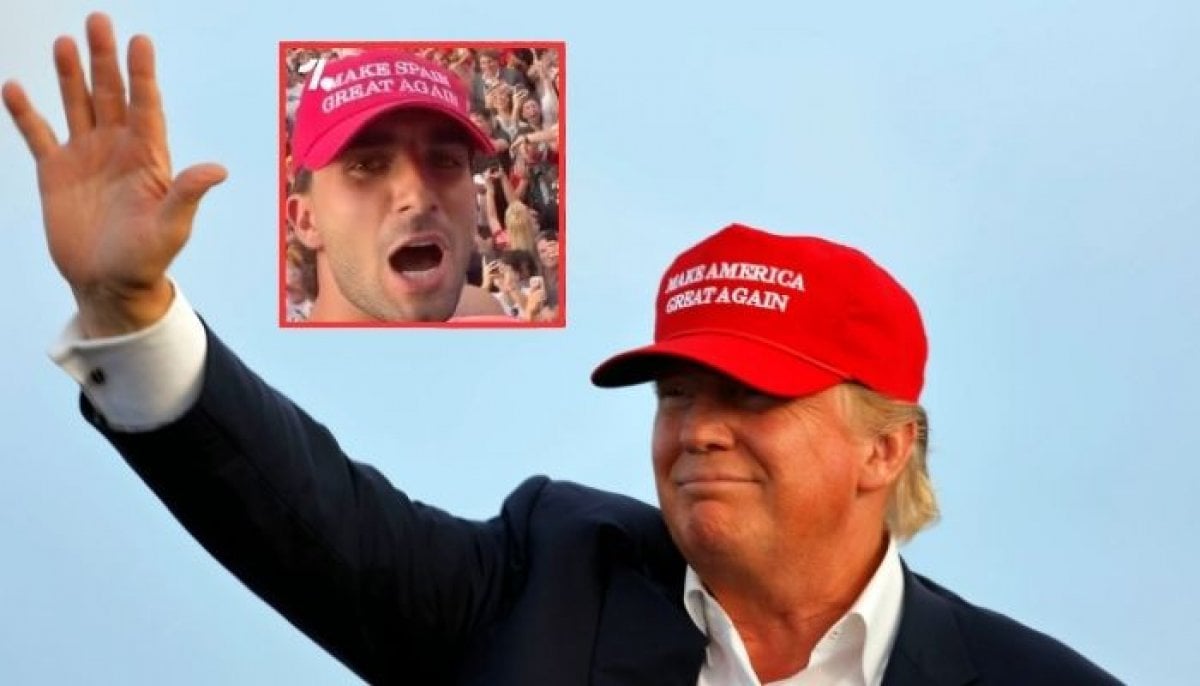 Trump reacts to Ferran Torres' viral 'Make Spain Great Again' hat
-
 Ferran Torres, Marcos Llorente become target of false claims after Ibiza photos go viral
 -
Typhoon Noul nears Southern China, prompting high alerts and public transport suspensions
-
Is Trump running for next term as US president? Fact-checking viral claim
-
Why Trump’s gala address made headlines: Insults, potshots and more