Interstellar object 3I/ATLAS changes course, sheds mass in unexplained event
NASA confirms interstellar object 3I/ATLAS has mysteriously shrunk by 13%
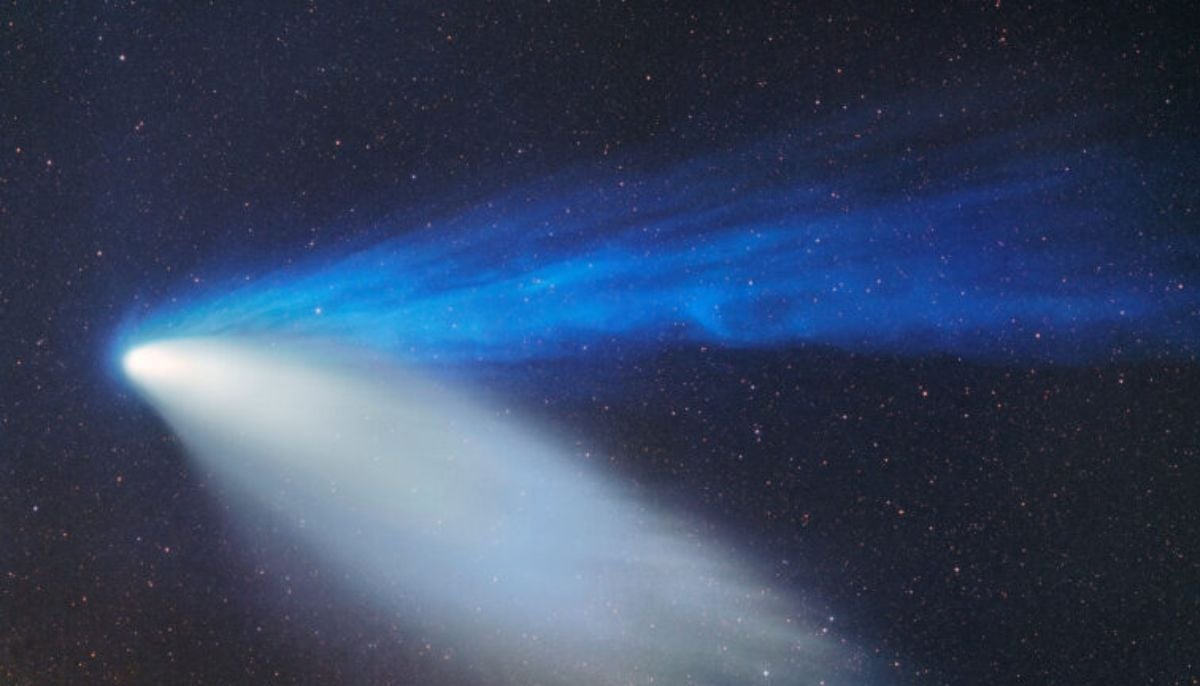
A mysterious interstellar object, 3I/ATLAS is deepening a cosmic mystery as it approaches Earth. As per the recent data reported by National Aeronautics and Space Administration (NASA), the interstellar object has lost 13% of its material.
This development has scientists scrambled for explanations and reignited debates about its true nature.
The shrinkage occurred after the object’s close pass by the sun last month.
As per NASA's jet propulsion lab, this event is followed by a bizarre, unexplained boost in speed and a change in trajectory.
For a typical comet, such a maneuver would need a massive outgassing event i.e., jets of gas and dust acting like a natural rocket engine.
This process would form a bright, visible tail pointing away from the sun.
However, new images from November 5th reveal no such tail.
“For a typical comet, this should have resulted in a massive coma with dust and gas… No such tail is visible,” said Harvard Professor Avi Loeb in a recent blog post.
Loeb, who leads the Galileo Project dedicated to searching for extraterrestrial technosignatures, argues the object’s behaviour is highly anomalous.
He suggests the precise, tailless course correction is more indicative of a controlled thrust, possible from an artificial source.
Loeb has previously labeled 3I/ATLAS a potential “black swan event” and warns it could be a disguised alien probe.
The shrinking event is just the latest in a series of oddities. The object has previously displayed a sunward-pointing “anti-tail,” undergone unexplained color changes, and failed to behave like any known comet.
While the mainstream scientific consensus, including NASA’s official position, maintains that 3I/ATLAS is a rare interstellar comet, its growing list of anomalies challenges this simple explanation.
All eyes will be on the skies as 3I/ATLAS makes its closest approach to Earth on December 19, providing a prime opportunity to investigate the most enigmatic visitor the solar system has ever seen.






-
 Jelly Roll loses major gig after Donald Trump jokes on 'Jimmy Kimmel Live!'
 -
 Amy Schumer reveals why simple day with son meant so much amid Chris Fischer split
 -
 Jimmy Kimmel wins second straight Emmy for game show hosting
 -
 'Spider-Man: Brand New Day' inches closer to box-office history
 -
 Prince Harry, Meghan Markle UK move comes ‘a trial run’?
 -
 Nigel Farage’s family urges him to quit politics amid mounting pressure: What did he say?
 -
 Woman rescued alive after days under Nepal flood debris: What to know
 -
 White House Arcade sparks Tetris backlash over ‘build the wall’ game