New study by Oxford tests if AI can save more men from prostate cancer
Prostate cancer is the most common cancer in males
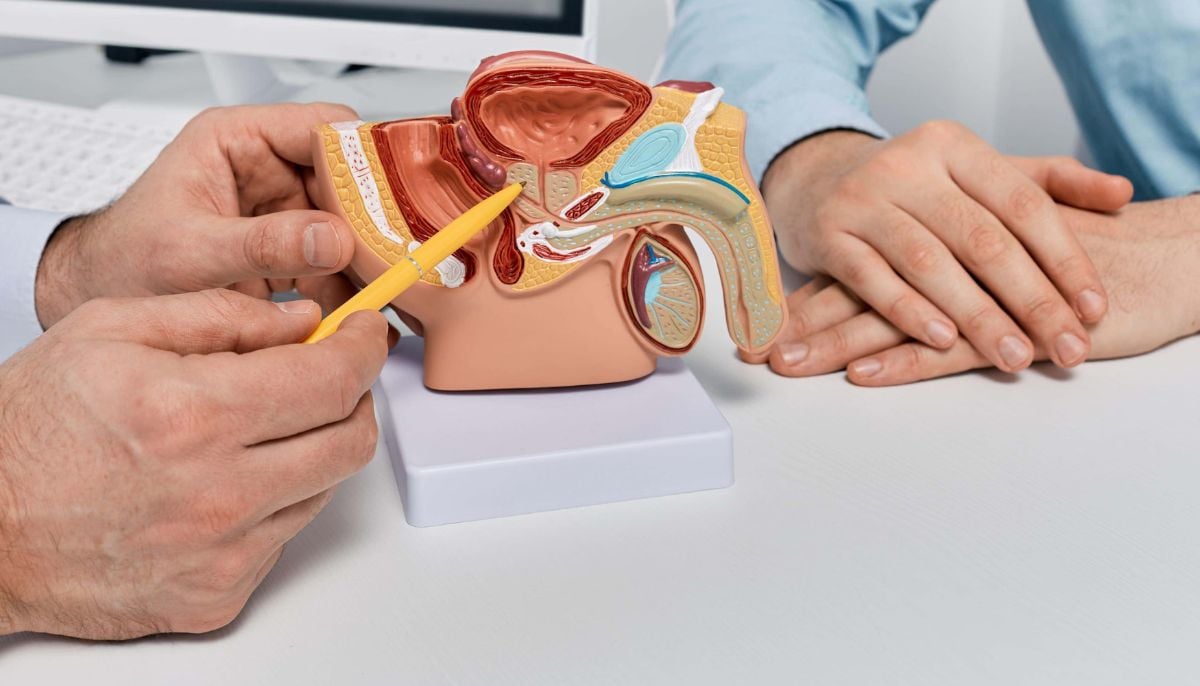
Artificial Intelligence (AI) has influenced nearly every aspect of human life, either directly or indirectly. Now, a study is set to analyze the impact of AI technology on decisions of medical professionals in prostate cancer treatment.
Though prostate cancer diagnosis process has improved over time but there still exist certain challenges including the aggressiveness of disease in individual cases.
Researchers from the University of Oxford are leading the Vanguard Path study that is funded by Prostate Cancer UK with £1.9 million.
The study will test the ArteraAI Prostate Biopsy Assay on patients who have already been treated for at least five years and see how their disease progressed and compare it to what AI predicted.
Following this, clinical trials will take place on biopsies from men diagnosed with cancer, particularly the cases in which doctors face difficulty to find the best course of treatment.
Lead researcher for the project Professor Clare Verrill expressed hope that their research will pave the way for advanced AI technology to be integrated into the NHS.
He said, “AI has massive potential to improve prostate cancer care and help doctors make better-informed decisions.”
Prostate cancer is the most common cancer in males and about one in eight men will have it in their lifetime, according to Prostate Cancer UK.


-
 Chappell Roan's security guard takes 'full responsibility' for his interaction with Jorginho's daughter?
 -
 'Buffy' star Nicholas Brendon's death case takes massive turn
 -
 Meryl Streep left shaken on 'The Devil Wears Prada 2' set: Here is what shocked her
 -
 Savannah Guthrie 'Today' return: Fans receive exciting update as search for Nancy continues
 -
 Kim Kardashian shares cryptic message after Lewis Hamilton vow
 -
 'Heated Rivalry' season 2: Jacob Tierney teases shocking twist
 -
 '13 Going On 30' reboot confirmed: Jennifer Garner returns with new cast
 -
 Why Elon Musk sees Starship as humanity’s only bridge to Mars
-
 Stephen Colbert reveals secret project in 'Lord of the Rings' universe but he is not alone
 -
Alan Ritchson gets clean chit in violent altercation with neighbor
-
John Stamos reveals his unique take on fatherhood ahead of upcoming book
-
Miley Cyrus says something surprising about Disney stars Zac Efron and Vanessa Hudgens