Nearly 300 killed in Bangladesh political clashes after Hasina’s ouster: rights group
LEAs were still not being held accountable since Hasina's fall, says official
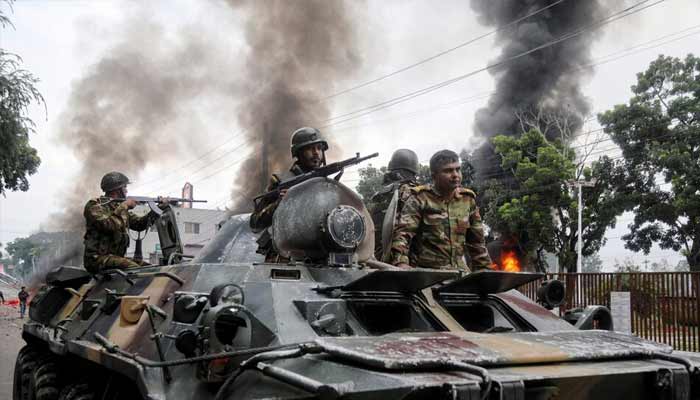
DHAKA: Nearly 300 people have been killed in politically motivated violence in Bangladesh since the fall of Sheikh Hasina’s government a year ago, according to the country’s main human rights group.
A report by Odhikar, a Dhaka-based rights organisation, said at least 281 people had been killed in violence involving political parties from August 2024, when Hasina’s rule ended and she fled to India, to September 2025.
On top of those, there were another 40 victims of extrajudicial killings who had been suspected of crimes, while another 153 were lynched, the quarterly report released last week said.
Odhikar director ASM Nasiruddin Elan said adherence to human rights had improved since the fall of Hasina’s government but law enforcement agencies were still not being held accountable.
"Yes, we don’t see the frequent extrajudicial killings or enforced disappearances that we witnessed during the Hasina era, but deaths in custody, bribery, and harassment of victims are still ongoing," Elan told AFP.
He said that "innocent people fall prey to atrocities" for their alleged involvement with the Awami League, Hasina’s political party that is now banned.
Hasina’s 15-year rule saw widespread human rights abuses, including the mass detention and extrajudicial killing of her political opponents.
The Odhikar report also said many people had fallen victim to extortion by political parties, regardless of their financial or social standing, in the year since Hasina’s fall.
Those included the Bangladesh Nationalist Party, seen as the frontrunner in elections slated for February 2026, and the Anti-Discrimination Student Movement, which was credited with starting the protests that toppled Hasina.
Jamaat-e-Islami, Muslim-majority Bangladesh’s largest Islamist party, was also included in reports of extortion, the report said.
Odhikar also said mob attacks had been relatively frequent during the period, mainly because of inefficient policing.
"Police have been used to achieve party interests and were given impunity, which eventually led them to kill and torture activists affiliated with the opposition," the report said.
It said "the police largely became dysfunctional and lost their morale", after Hasina fell.
Bangladesh’s interim government nor any of the political parties have responded yet to Odhikar’s report.


-
 Hackers turn hundreds of supermarket 'fridges into ovens' in unprecedented cyberattack across France
 -
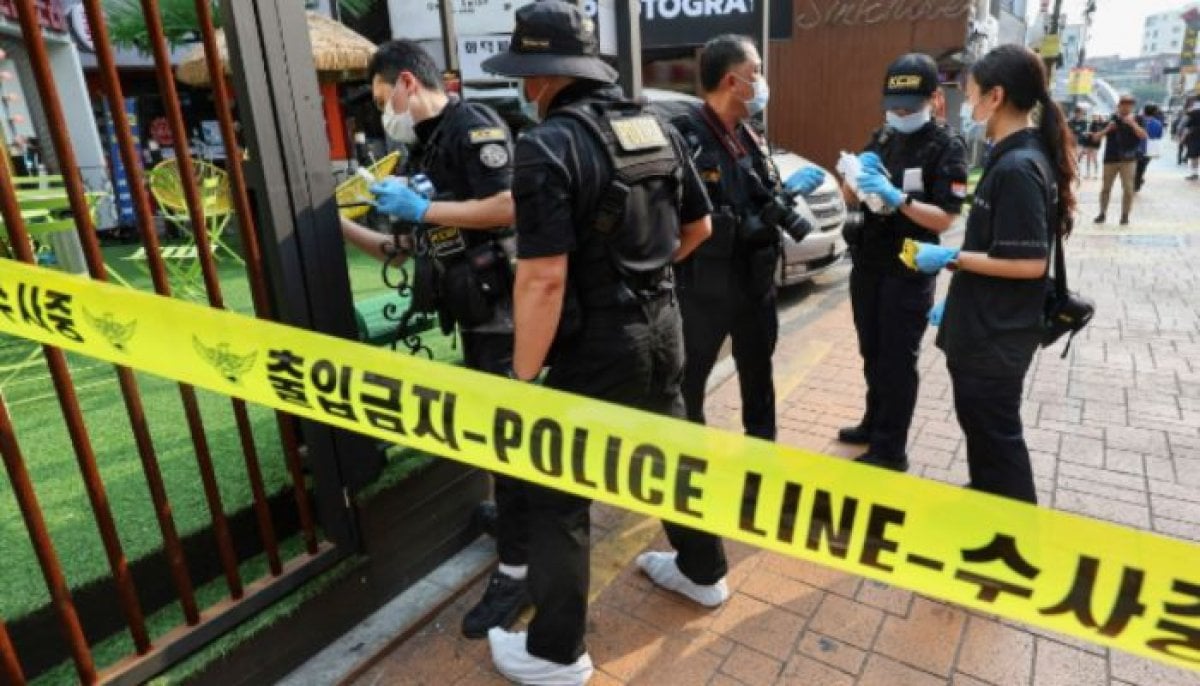 Multiple injured in supermarket stabbing attack in South Korea’s Incheon, investigation underway
 -
 Fugitive businessman Alvaro Pulido arrested in $2bn Venezuela corruption scandal
 -
 German labour minister steps down after stepdaughter's death and political attacks
 -
 Trump could fire Kimberly Guilfoyle as US ambassador to Greece over misconduct reports
 -
 Elon Musk spends millions to become top political donor to keep Republicans in power
 -
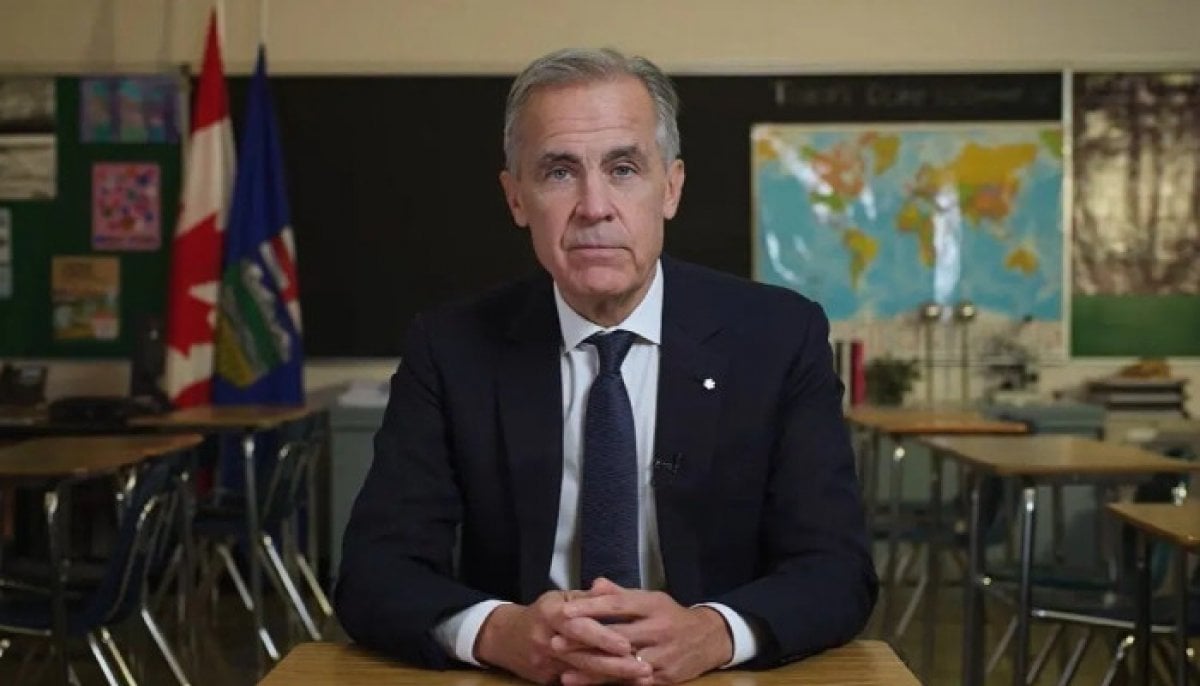 Mark Carney warns Alberta against separation in Thanksgiving message from Edmonton
 -
 Florida and Alabama face widespread power outages as Hurricane Isaias moves north
-
 Reform UK pledges to suspend UK asylum system for up to 5 years
 -
Mamdani launches first major NYPD use-of-force review in nearly a decade
-
Ilhan Omar accuses Trump of political intimidation after federal agents search her home
-
OPEC slashes 2026 oil demand growth forecast to 400,000 BPD, citing weaker momentum