
Weekly cheese could cut dementia risk, study suggests
The study objective was to see how cheese consumption might affect cognitive health in older age groups

Regular cheese eaters had a 24 percent lower risk of developing the condition of dementia over three years as compared to those who didn’t eat cheese, research has revealed.
The study findings were published in the Japanese Journal Nutrients.
The study objective was to see how cheese consumption might affect cognitive health in older age groups.
The study applied statistical matching to control for variables like age, health status, sex, and socioeconomic background.
Researchers examined the study data from around 8,000 adults aged 65 and over, comparing people who regularly ate cheese with those who rarely or never did.
The study found that 3.4% of cheese eaters had received a dementia diagnosis, versus 4.4% of those who did not eat cheese.
Though the overall difference is small, just 1.06 percent, it translates to roughly 10 fewer cases of dementia per 1,000 participants.
Dementia is a reality affecting over 50 million people around the globe, with that number representing those living with dementia in 2021.
According to the World Health Organization’s Global Status Report on the Public Health Response to Dementia, this figure could triple by 2050.
However, the researchers warned that the study findings should not be taken as definitive proof that cheese prevents dementia.



-
 Timothée Chalamet faces major blow ahead of 2026 Oscars: 'In depth of disappointment'
 -
 Taylor Swift displays 'Elizabeth Taylor' cover art before Record Store Day vinyl release
 -
 Kesha criticizes Donald Trump for using her song in TikTok video: 'Disgusting'
 -
 'Deadliest Catch' star dies in tragic incident at 25
 -
 'Sinners' star Jayme Lawson calls out BAFTA organisers for exploiting Tourette's advocate
 -
 Jennifer Lopez dumps Ben Affleck again
 -
 Elisabeth Hasselbeck returns to 'The View' after 13 years: 'We're stronger'
 -
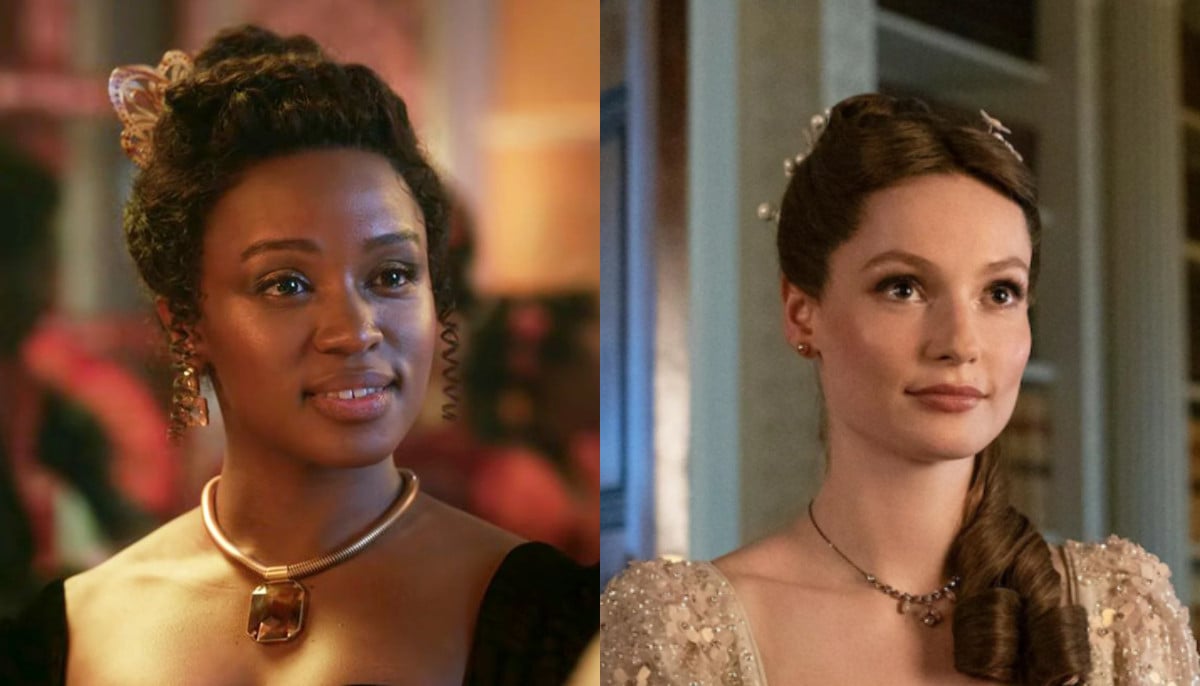 'Bridgerton' stars explain Michael, Michaela gender swap in Francesa's love story