
EU targets Apple, Snapchat, YouTube over child safety
EU is set to restrict illegal content and ensure kids’ safety online
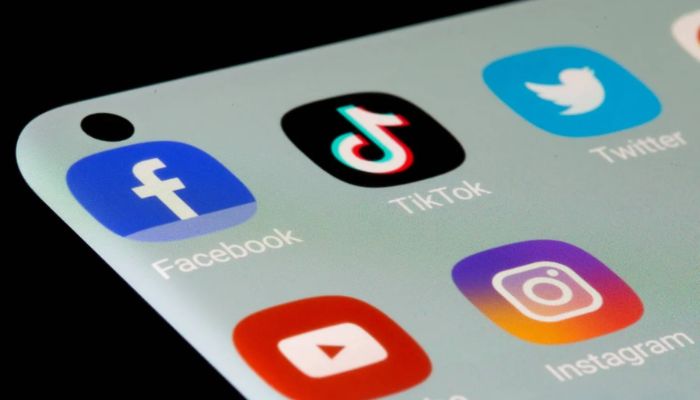
The European Commission (EU) has opened an investigation and demanded digital giants, including Snapchat, Apple’s App Store, and Google Play detail the measures they are taking to protect children from online harm under the Digital Services Act (DSA).
The European Union has tightened rules governing content accessible to children in the digital space.
The Digital Services Act (DSA), which is Europe’s primary tool to combat illegal content and keep children’s safety online has effectively shelved complaints from the U.S. tech sector.
The European Commission has sent a request for information to Snapchat in order to prevent access for children under 13 as part of investigations under the DSA.
The commission has further asked Apple’s Apple Store and the Google Play marketplace to provide necessary details on safety measures taken to prevent children from downloading harmful applications.
The tech chief Henna Virkkunen had a meeting with EU ministers in Denmark and shed light on the privacy concerns, stating, “Privacy, security and safety have to be ensured, and this is not always the case and that's why the commission is tightening the enforcement of our rules.”
However, a Snapchat spokesperson said that company is fully committed to ensuring the security of its platform and would provide the information requested in the current inquiry.
They further said that the company has already built safety features to mitigate potential harms.
The EU is investigating Meta’s Facebook and Instagram, as well as TikTok over fears that they are not doing enough to address the addictive nature of their platforms for children.
European Commission chief Ursula von der Lyen supports a significant move while Brussels is setting up an experts panel to assess what pivotal steps could be taken at the EU level.
Twenty-five of the EU’s 27 countries alongside Norway and Iceland signed a declaration supporting von der Leyen’s plans to study bloc-wide digital legal age and on the pressing need to shield minors online.
Belgium and Estonia did not sign the declaration although they stated they remained committed to protecting children online and wanted to keep an open mind about which tools should be utilized.
Estonia stated openly that it prioritized digital education and analytical reasoning over access bans.
Nonetheless, Denmark is also planning to introduce a social media ban for children under the age of 15, and France has been enacting similar measures.
The EU has intensified its enforcement by officially directing instructions to these platforms to ensure safety measures.




-
 Nancy Guthrie’s kidnapper will be caught soon: Here’s why
 -
 Internet splits over New York's toilet data amid Bad Bunny's Super Bowl show
 -
 Lewis Hamilton spent years trying to catch Kim Kardashian's attention?
 -
 Ferrari Luce: First electric sports car unveiled with Enzo V12 revival
 -
 Jon Stewart on Bad Bunny's Super Bowl performance: 'Killed it''
 -
 Catherine O’Hara’s cause of death finally revealed
 -
 Swimmers gather at Argentina’s Mar Chiquita for world record attempt
 -
 Elon Musk unveils SpaceX plan for civilian Moon, Mars trips