AI analysis reveals £71,000 art as authentic Caravaggio masterpiece
Swiss AI system gives 85.7% probability that painting dismissed by top experts for decades is the part of the 17th-century art work
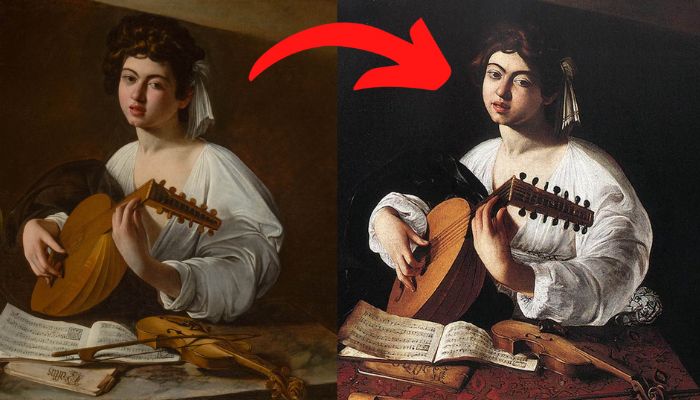
A painting sold for £71,000 and long dismissed by the art establishment as a mere copy has been identified as an authentic work by the Italian master Caravaggio through a groundbreaking artificial intelligence analysis.
The study of The Lute Player, which belongs to Britain’s Badminton House, concluded with an 85.7% probability that it was painted by the revolutionary 17th-century artist Michelangelo Merisi da Caravaggio.
The finding, described by experts as very high, directly challenges decades of consensus from institutions like Sotheby’s and New York’s Metropolitan Museum of Art, which had labelled the work as inferior.
Dr. Carina Popovici, head of the Swiss firm Art Recognition: “Everything over 80% is very high and a strong match.”
The technology compared the brushwork and artistic style of the Badminton painting to verified Caravaggio works, finding a strong match.
The AI’s verdict turns art market history on its head. In 1969, Sotheby’s sold the painting as a copy for just £750. Even when it last changed hands in 2001 for £71,000, it was catalogued as from the circle of Caravaggio.
The current authentication suggests its value could now be in the realm of tens of millions, given a newly discovered Caravaggio in 2019 was valued at around £96 million.
The painting was purchased in 2001 by British art historian Clovis Whitfield, who has championed its authenticity for years.


-
 Baba Vanga’s 2026 prophecy: Will humans meet aliens in November?
 -
 Michael Dell stands by wife Susan after White House appearance draws online mockery
 -
 Elon Musk’s $366m Republican spending draws sharp rebuke from Bernie Sanders
 -
 Selma Blair wrote about biting three celebrities in her memoir, including Kate Moss
 -
 RJ Mitte was engaged to Kennedy Suarez when he died at 34
 -
 Halle Berry’s custody case: New voice may enter the courtroom
 -
 Charges Selma Blair may face over alleged conduct on Delta flight
 -
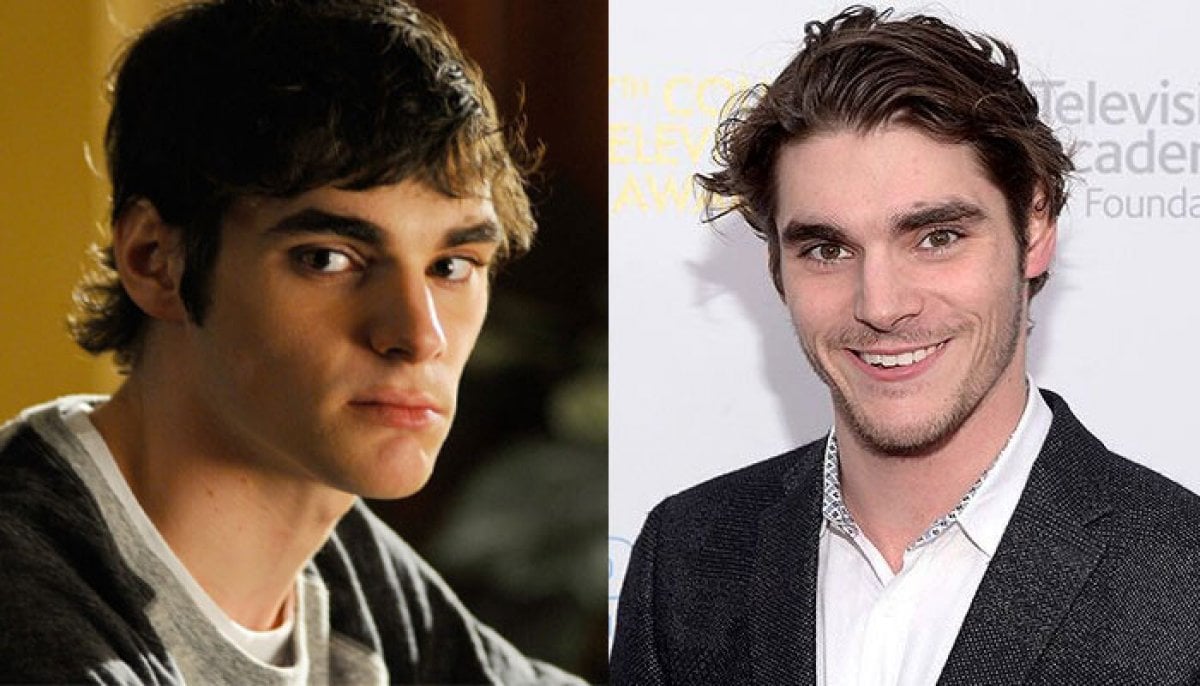 'Breaking Bad' star RJ Mitte dies at 34