South Korean court rules defamation laws apply to virtual K-Pop idols
Vlast has appealed the decision, saying the case sets an important precedent for guarding artists who work behind virtual ideals.
_updates.jpg)
A South Korean court has ruled that defamation laws apply virtual K-pop idols, marking one of the first such cases in the country’s entertainment industry.
The case involved Plave a five-member virtual boyband created through motion capture technology and voiced by real players whose identities remain private.
Plave debuted in 2023 and has since come a leading virtual act with more than one million YouTube subscribers and nominations at major music awards, including the 2024 MAMA Awards and Seoul Music Awards.
In July 2024, a social media users posted derogatory remarks about the group, including profanity and comments suggesting that the people behind the avatars "could be ugly in real life."
In response, Plave’s agency, Vlast, filed a civil suit demanding 6.5 million won in damages for each performer claiming emotional harm.
In its May ruling, the court ordered the defendant to pay 500,000 won ($ 360; £ 265), or 100,000 won for each perfomers. The court explained that when avatars are widely recognized as representing real people, offensive comments about the avatars also extend to the individuals behind them.
Vlast has appealed the decision, saying the case sets an important precedent for guarding artists who work behind virtual ideals.
Advocates of the virtual idol trend argue that such performers reduce the personal pressures faced by human K- pop stars, who frequently face scrutiny beyond their music careers.


-
 Best Poki games for June 2026: Check list here
 -
 Google to release 32 million mosquitoes in Florida, California–Why critics are concerned
 -
 UFO spotted behind active volcano? Harvard professor exposes real truth
 -
 Donald Trump decides to headline America 250 concert after major artists cancelled
 -
 Dramatic rescue as hero dog battles rough waves for 30 minutes at sea
 -
 Ellie Kemper reveals why landing role in 'The Office' still feels 'rare'
 -
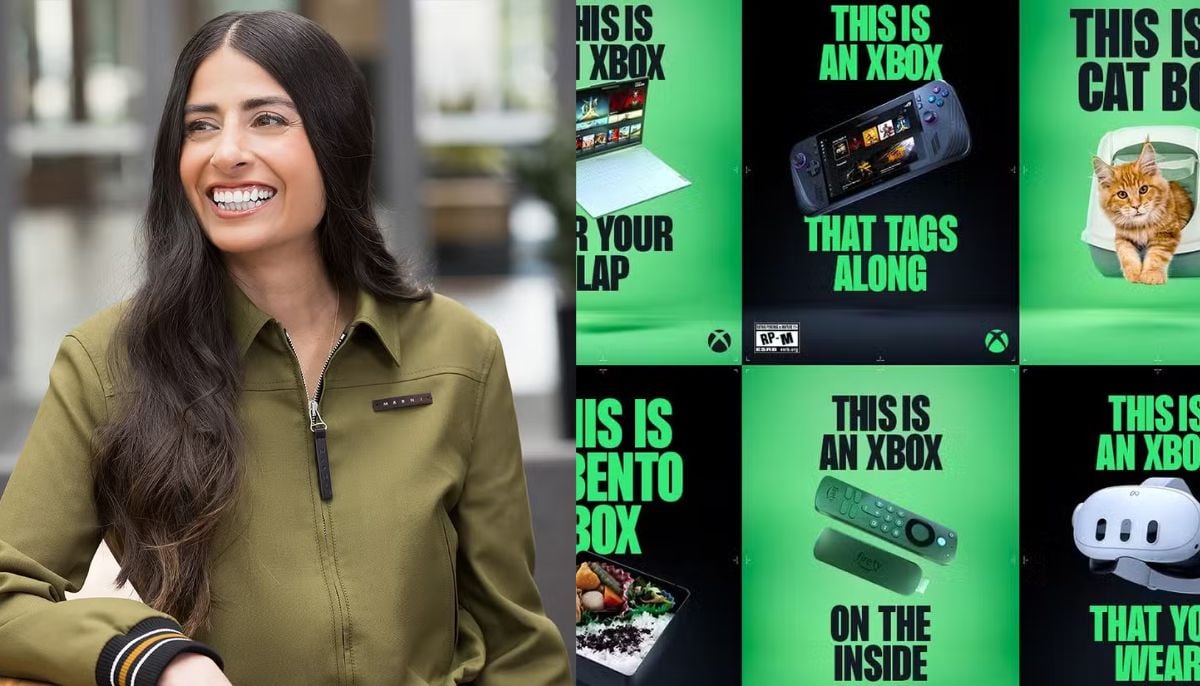 New Xbox chief says ‘hard choices’ ahead in major reset
 -
 Two dogs emerge alive from massive inferno that gutted family business