NASA: Asteroid to pass close Earth on September 18
A potentially hazardous asteroid is scheduled to make a safe flyby of Earth
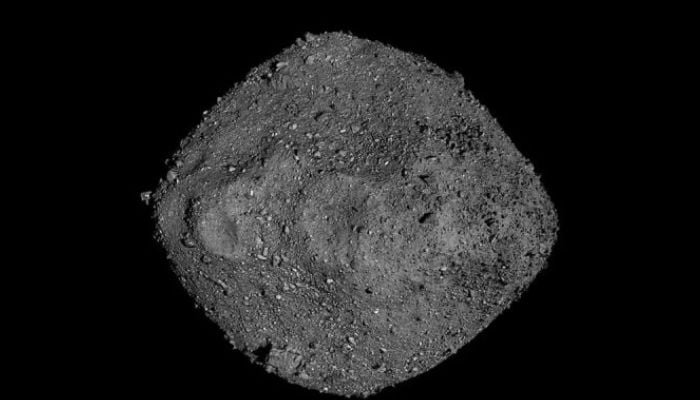
According to NASA, an asteroid the size of a 50-storey building will make a close approach to Earth this week.
The rock known as 2025 FA22 measures about 520 feet across, traveling at just over 24,000 miles per hour while posing no threats of collision.
The closest approach will come on September 18, with the asteroid passing at a distance of around 523,000 miles.
However, the asteroid poses no serious threats of collision.
Asteroids are safe and can be closely watched
FA22 is not particularly considered hazardous. NASA classifies asteroids as potentially dangerous only if they pass within 7.4 kilometers of Earth and measure more than 85 meters wide.
It falls outside those close-approaches parameters, though it belongs to the Aten group of asteroids, whose orbits close Earth’s path.
Astronomers have confirmed that there is no particular risk of impact, and they are still monitoring the flyby closely.
It has been observed that even smaller changes in an asteroid’s orbit can shift its long-term path which is why every event is tracked in detail.
These close approaches are more than just a curiosity among sky gazers and each flyby helps refine models of how asteroids circulate and improves planetary defense planning.
Space agencies around the world have been playing a crucial role by tracking near-Earth objects continuously.
One prime target is the much larger asteroid Apophis, which will come close to Earth in 2029 and will have properties that could even be visited by the spacecraft.
The researchers say that the FA22 visit will pass by without incident, and the flyby underlines why vigilance matters.
The calm night sky can hide surprises and keeping watch ensures that the world is not caught unprepared.
NASA scientists say that every close flyby helps refine their methods and teaches them about how these bodies behave. These events also highlight the dynamic nature of the solar system.


-
 Piers Morgan’s own book error exposed amid Earl Spencer legal threat
 -
 Tesla adds Grok AI assistant to cars for hands-free tasks: What to know
 -
 Why is Kanye West in Chicago and what is the link to his mother Donda?
 -
 Charles Spencer opens up about his childhood memories with Princess Diana
 -
 Tobey Maguire and Jennifer Meyer officially divorced yet?
 -
 Six-year-old Chinese prodigy shatters Rubik’s Cube world record twice
 -
 George Clooney leaves his Hollywood buddies behind?
 -
 Angelina Jolie, Brad Pitt's daughter Vivienne quietly launches her own business